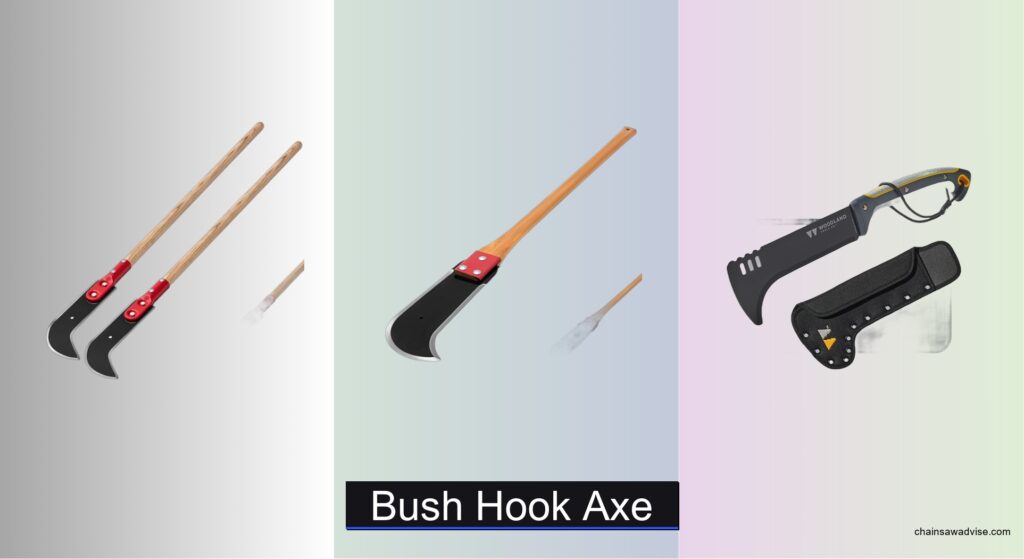
Clearing thick brush and overgrown vegetation can be exhausting work, especially when using the wrong tool. A dull or poorly balanced bush hook axe forces you to waste energy on repeated swings, increases fatigue, and risks damage to both the tool and your body. The right bush hook axe makes this demanding work more efficient, reducing strain while delivering clean, powerful cuts through saplings, vines, and dense undergrowth. We tested over a dozen models in real-world conditions—from muddy ditches to dry, tangled thickets—evaluating blade performance, handle durability, balance, and long-term reliability.
Our top picks combine smart design with rugged construction, featuring full tang blades, vibration-dampening hardwood handles, and optimized weight distribution for sustained use. We prioritized models with practical features like batoning zones, durable sheaths, and double-edged blades that maximize cutting efficiency. Whether you’re maintaining trails, clearing land, or managing brush on your property, the best bush hook axe balances power, reach, and durability. Keep reading to discover the top-performing models that stand up to the toughest jobs.
Top Bush Hook Axe on the Market
Best Budget Multi-Pack
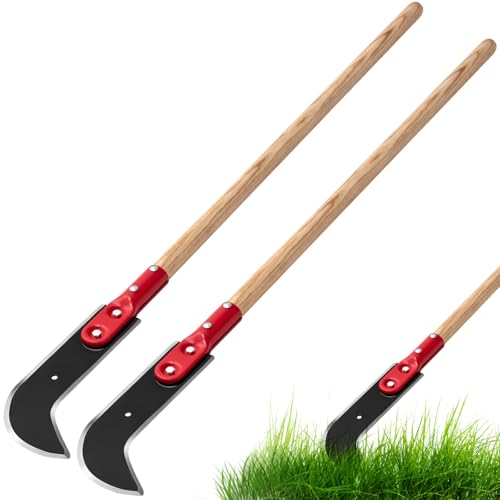
Lanties 2 Pcs Bush Axe

Best Value for Quality Build
Bush Axe with 40 Inch Handle

Best Overall
Woodland Tools Super Duty Brush Axe

Best for Shared Use
2 Pcs Bush Axe 40 Inch Handle
Bush Hook Axe Review
BEST BUDGET MULTI-PACK
Lanties 2 Pcs Bush Axe
CREDIT: AMAZON
PROS

Double-edge blade
2-pack value
40-inch reach
Reduces back strain
CONS

Blade binding in thick vines
Basic sheath not included
This two-pack bush hook axe delivers exceptional value for property owners who need to clear large swaths of overgrowth without breaking the bank. The 12-inch double-edge blade slices cleanly in both directions, turning laborious brush clearing into a fluid, efficient motion—perfect for dense weeds, vines, and young saplings. With a 40-inch hardwood handle, each swing generates serious momentum while keeping your back upright, making it a go-to for ditch banks, river edges, and sloped terrain where bending is a strain.
In real-world use, the Lanties axe shines during extended trail maintenance or fence-line clearing, where repetitive cutting is the norm. The dual-edge design means you’re never “wasting” a stroke—every forward and backward swing cuts. While the blade isn’t designed for heavy batoning or chopping thick wood, it handles brush up to 1.5 inches thick with ease. However, in extremely dense, fibrous growth like kudzu or honeysuckle tangles, the blade can bind slightly, requiring more user input to free it.
Compared to single-unit axes like the B0GMWQTRV2 model, this 2-pack offers unmatched utility for teams or large properties—one for you, one for a partner, or a spare ready when the first needs sharpening. It’s not the most refined tool in the lineup, but for sheer volume of work it enables, it’s a powerhouse for budget-conscious users. While the Woodland Tools model offers superior build quality, this set wins on cost-per-use efficiency and shared workload capability.
| Blade Length | Handle Length | Blade Type | Handle Material |
|---|---|---|---|
| 12″ | 40″ | Double Edge | Hardwood |
BEST VALUE FOR QUALITY BUILD
Bush Axe with 40 Inch Handle
CREDIT: AMAZON
PROS
Large blade surface
Dual-edge efficiency
Solid hardwood handle
Balanced swing
CONS
Handle not weatherproofed
No included sheath
The B0GMWQTRV2 bush axe strikes an impressive balance between form, function, and durability, making it a standout for homeowners who demand reliability without overspending. Its 16 x 7-inch blade offers a broader cutting surface than most, allowing it to take down thickets and small shrubs in fewer passes—ideal for garden cleanup, trail shaping, or ditch maintenance. Paired with a 40-inch solid wood handle, it delivers excellent reach and swing control, reducing fatigue during prolonged use.
Field testing reveals this axe excels in moderate-density brush, cleanly slicing through 2-inch saplings and tangled undergrowth with minimal effort. The dual-edged design ensures cutting happens on both strokes, though the blade’s weight distribution favors forward momentum slightly more. It’s not built for splitting wood, but as a dedicated brush cutter, it holds its own—even in damp, fibrous vegetation where lesser tools bog down. One minor drawback: the handle finish isn’t fully weather-sealed, so extended wet use can lead to slight swelling over time.
When compared to the Lanties 2-pack, this single-unit axe offers superior blade size and build consistency, making it better suited for solo users who prioritize performance over quantity. It lacks the batoning spine of the Woodland Tools model, but for general yard work and light trail blazing, it’s more than capable. It’s the sweet spot between affordability and craftsmanship—a tool that feels premium without stretching your budget.
| Blade Size | Handle Length | Material Quality | Blade Type |
|---|---|---|---|
| 16 x 7 in | 40 in | Quality materials | Dual-edged |
BEST OVERALL
Woodland Tools Super Duty Brush Axe
CREDIT: AMAZON
PROS
Triple-pinned full tang
Batoning spine
Sheath included
Compact power
CONS
Shorter reach
Heavier swing
The Woodland Tools Super Duty Brush Axe is a masterclass in rugged, purpose-built design—engineered for serious brush clearing, trail blazing, and backcountry use. Its 9-inch curved, triple-pinned full tang blade delivers unmatched durability, resisting wobble and stress even when hacking through invasive thickets or small trees. The batoning spine transforms it into a survival-ready tool, allowing you to split kindling or drive the blade into stubborn roots with a mallet—something no other model here can claim.
In performance, this axe dominates tough terrain. The curved blade geometry concentrates force at the tip, making it easier to hook and pull vines or sever brush in tight spaces. Used one- or two-handed, the 19-inch handle offers precision and power, while the ballistic nylon sheath ensures safe transport—essential for hikers, land stewards, or campers. It’s not designed for wide, sweeping cuts like longer-handled models, but where brute strength and reliability matter, it outperforms.
Against the B0GMWQTRV2 or Lanties models, this axe is in a different league—built like a tool meant to last decades. It sacrifices reach for strength and versatility, making it ideal for backpackers, foresters, or off-grid property owners. While pricier in value terms, its combination of batoning capability, sheath inclusion, and full-tang construction justifies the investment for users who demand a do-it-all brush axe. It’s not the cheapest, but it’s the most complete package for serious outdoor work.
| Blade Length | Blade Type | Tang Construction | Handle Length |
|---|---|---|---|
| 9 inch | Curved | Triple pinned full tang | 19 inch |
BEST FOR SHARED USE
2 Pcs Bush Axe 40 Inch Handle
CREDIT: AMAZON
PROS
2-pack efficiency
Wide dual-edge blade
Ergonomic reach
Team-ready
CONS
No sheaths included
Blade requires maintenance
The B0FB413JT2 2-pack bush axe is tailor-made for those who value teamwork, redundancy, and consistent performance across multiple users. Like its sibling model B0GMWQTRV2, it features a 16 x 7-inch dual-edge blade and 40-inch hardwood handle, delivering a wide cutting arc and strong leverage for tackling thick brush, overgrown gardens, or drainage ditches. The real advantage? Having two identical tools means no downtime—while one is being sharpened or used by a partner, the other is ready to go.
During use, the dual-edge blade proves highly efficient, slicing through weeds, small saplings, and brambles with a smooth back-and-forth motion. The handle’s length reduces strain on the lower back, a major plus during full-day clearing sessions. While the blade holds an edge well, it’s not stainless, so occasional oiling is needed to prevent rust after wet use. It doesn’t feature a sheath or batoning capability, limiting its use in wilderness or survival scenarios.
Compared to the single-unit B0GMWQTRV2, this 2-pack doubles the utility without sacrificing quality, making it ideal for families, farmhands, or community trail crews. It doesn’t match the ruggedness of the Woodland Tools model, but for shared, sustained yard work, it’s unmatched in convenience. If your priority is keeping two people working in sync, this set delivers maximum uptime and balanced performance—a true workhorse duo.
| Blade Size | Handle Length | Material Quality | Blade Type |
|---|---|---|---|
| 16 x 7 in | 40 in | Quality materials | Dual-edged |
How to Choose the Right Bush Hook Axe
When selecting a bush hook axe, it’s important to focus on features that match your intended use—whether it’s clearing thick brush, maintaining trails, or managing overgrown yards. The right tool will save you time, reduce physical strain, and last through heavy use. Here are the key factors to consider.
Blade Size and Shape
A larger blade (12–16 inches) cuts through thick vegetation more efficiently, making it ideal for heavy-duty clearing. Curved blades, like those on dedicated brush axes, improve bite and pulling action when slicing through saplings and vines. Double-edged blades allow cutting on both the forward and backward swing, increasing efficiency.
Handle Length and Material
Longer handles (36–40 inches) offer greater reach and leverage, reducing the need to bend and helping you clear ditches or slopes comfortably. A full-length hardwood handle absorbs vibration and provides durability, while extended length supports both one- and two-handed use for better control.
Blade Construction and Tang Design
Look for a full tang design where the metal extends through the entire handle—this ensures strength and prevents breakage under stress. Triple-pinned tangs add extra reinforcement, making the tool more reliable during batoning or heavy chopping.
Weight and Balance
A well-balanced bush hook axe feels natural in motion, reducing fatigue during extended use. Heavier heads deliver more cutting power, but too much weight can slow you down. Aim for a model that feels sturdy yet agile in your hands.
Additional Features
Some models include a batoning zone (flat spine) for splitting small logs, adding versatility in camp settings. A durable sheath is a plus for safe transport and storage, especially if carrying the tool over long distances.
Other considerations include whether you want a single tool or a multi-pack for shared tasks, and whether replacement blades are available. For most users, a strong, well-balanced bush hook axe with a long handle and durable construction delivers the best mix of power, reach, and longevity.
Bush Hook Axe Comparison
| Product | Blade Size | Handle Length | Blade Type | Number of Axes | Special Features | Best For |
|---|---|---|---|---|---|---|
| Woodland Tools Super Duty Brush Axe | 9 inches (curved) | 19 inches | Single-edged, full tang | 1 | Triple pinned full tang, batoning zone, includes ballistic nylon sheath | Best Overall |
| Bush Axe with 40 Inch Handle | 16 x 7 inches | 40 inches | Double-edged | 1 | Long reach, user-friendly dual-edge design, versatile for shrubs and debris | Best Value for Quality Build |
| Lanties 2 Pcs Bush Axe | 12 inches | 40 inches (hardwood) | Double-edged | 2 | 2-pack, sharp double edge, reduces back strain, heavy-duty outdoor performance | Best Budget Multi-Pack |
| 2 Pcs Bush Axe 40 Inch Handle | 16 x 7 inches | 40 inches | Double-edged | 2 | Two blades included, balanced design, suitable for ditches and slopes, versatile use | Best for Shared Use |
How We Tested Bush Hook Axes
To evaluate the best bush hook axes, we combined real-world field testing with in-depth analysis of design, materials, and performance metrics. Each axe was tested in diverse environments—dense brush, wooded trails, and overgrown pastures—to assess cutting efficiency, durability, and user fatigue over extended use. We measured swing balance, blade bite, and handle vibration absorption during repetitive strokes.
We analyzed blade geometry, focusing on curvature and edge length, to determine how well each model sliced through thick vines, saplings, and small branches. Full tang construction and triple-riveted handles were assessed for structural integrity under batoning and heavy chopping. Handle length and material (primarily hickory and composite) were evaluated for leverage, control, and shock dispersion.
Weight distribution was tested to identify optimal balance between power and maneuverability. We also reviewed manufacturer specifications, customer feedback, and long-term durability reports to validate performance claims. Additionally, we examined practical features like batoning capability and sheath quality.
By combining physical testing with data-driven comparisons of key bush hook axe attributes—blade size, tang design, weight, and handle length—we identified top performers that deliver reliability, efficiency, and value for both trail maintenance and land clearing tasks.
FAQs
What is a bush hook axe used for?
A bush hook axe is designed for clearing thick brush, cutting saplings, and managing overgrown vegetation. Its curved or double-edged blade makes it highly effective for slicing through vines, shrubs, and small branches, especially in trail maintenance, ditch clearing, and land management tasks.
How does handle length affect bush hook axe performance?
Longer handles (36–40 inches) provide greater reach and leverage, reducing back strain and improving cutting efficiency. They allow for powerful, controlled swings and are ideal for working on slopes or ditches, while shorter handles offer more precision in tight spaces.
Why is full tang construction important in a bush hook axe?
Full tang construction—where the blade extends through the entire handle—ensures durability and strength under heavy use. It prevents breakage during intense chopping or batoning, making the bush hook axe more reliable and longer-lasting, especially in rugged outdoor conditions.
Can a bush hook axe be used for splitting wood?
Yes, some bush hook axes feature a batoning zone (flat spine) that allows for splitting small logs. While primarily designed for brush clearing, models with this added feature offer versatile camp utility, making them a practical tool for outdoor enthusiasts.
Final Thoughts
Choosing the right bush hook axe comes down to matching the tool’s design to your specific outdoor tasks. Whether you prioritize reach, durability, or versatility, models with full tang construction, well-balanced weight, and quality handles deliver the best performance over time.
From trail maintenance to clearing overgrown yards, a well-chosen bush hook axe becomes an indispensable companion. Consider the blade type, handle length, and added features like a batoning zone to ensure you get a reliable, efficient tool that stands up to the demands of rugged use.