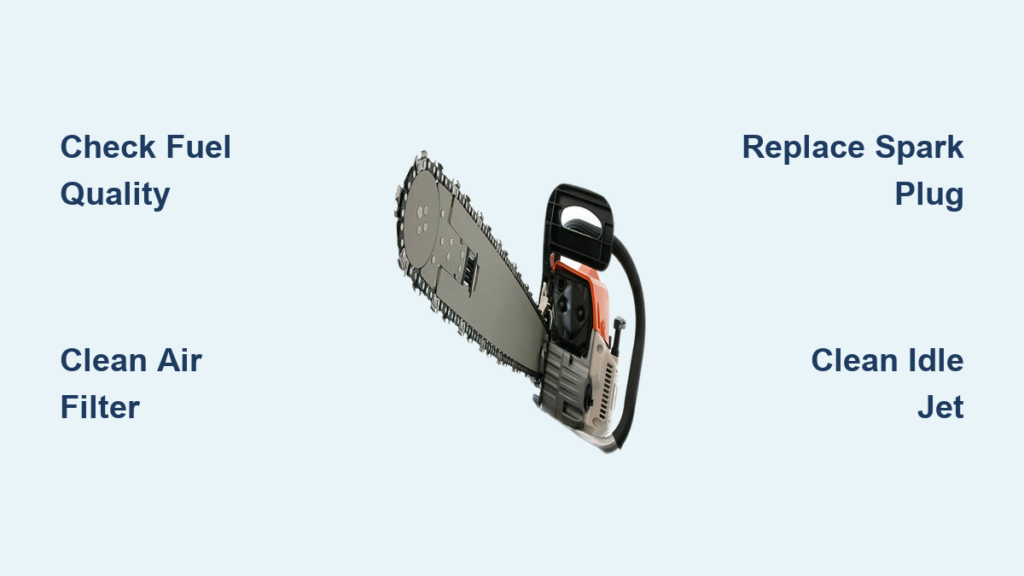
Your chainsaw starts fine but dies the second you release the throttle. No matter how you tweak the settings, it won’t hold a steady idle. You’re not alone, this is one of the most common small-engine problems, and it’s usually fixable with basic tools and a methodical approach. The phrase “chainsaw won’t idle” points to a failure in low-RPM fuel delivery, air balance, or mechanical reset. Most often, the culprit is a clogged idle jet, stale fuel, or an air leak. This guide walks you through every likely cause, from simple fixes to advanced repairs, so you can get your saw running smoothly again.
Check Fuel Quality First
Bad fuel is the top reason a chainsaw won’t idle. Ethanol-blended gasoline degrades quickly, forming gum and varnish that clog fine passages in the carburetor.
Stale Fuel Causes Idle Failure
Ethanol fuel breaks down after 30 days. By eight weeks, it leaves sticky residue that blocks the idle jet, which is the smallest fuel passage. Even if the saw runs at full throttle, the idle circuit may stay clogged. Cloudy, dark, or sludgy fuel in the tank is a red flag. If your saw sat over winter or was stored with fuel inside, assume the gas is bad. A lean mixture from restricted fuel flow causes immediate stalling once the choke is off.
Replace with Fresh Stabilized Fuel
Drain all old fuel from the tank and dispose of it properly. Refill with fresh 89 octane or higher, preferably ethanol-free. Add a fuel stabilizer like STA-BIL or Sea Foam if you won’t use the saw within 30 days. Never rely on fuel left in the primer bulb or carburetor bowl. Running fresh fuel through the system often resolves idle issues without further disassembly.
Inspect and Clean the Air Filter
A dirty air filter throws off the air-fuel ratio, leading to a rich mixture that fouls the spark plug and stalls the engine at idle.
Clogged Filter Disrupts Idle
Foam or paper filters trap sawdust, dirt, and oil. When airflow is restricted, the engine gets too much fuel relative to air, especially noticeable at low RPM. This rich condition causes sputtering, black smoke, and stalling. Visually inspect the filter. If it’s dark, stiff, or caked with debris, it needs cleaning or replacement.
Clean or Replace Every 10 Hours
Remove the filter and wash foam types in warm, soapy water. Rinse and let dry completely before reinstalling. Never run with a wet filter. Paper filters cannot be cleaned, so replace them instead. Re-oil foam filters lightly with air filter oil after cleaning. A clean filter ensures proper air intake, helping the carburetor deliver the right mixture at idle.
Test and Replace the Spark Plug
A weak or fouled spark plug cannot ignite the fuel mixture reliably at low cylinder pressure, causing misfires and stalling.
Fouled Plug Symptoms
Remove the spark plug and inspect it. A light tan tip means normal operation. Black or oily deposits indicate a rich mixture or oil burning. White suggests a lean burn. Check the gap with a feeler gauge. Most chainsaws require 0.5 mm (0.02 in). If the electrode is eroded, cracked, or bridged with carbon, replace it. A $7 plug can save hours of unnecessary carburetor work.
Replace as Preventive Maintenance
Even if the plug looks okay, replace it every 25 hours or annually. Use the correct heat range and thread size for your model. Reinstall with proper torque, usually 15 to 20 foot-pounds. A strong, consistent spark is essential for idle stability.
Clear the Fuel Cap Vent
A clogged fuel cap vent creates a vacuum in the tank, cutting off fuel flow after a few seconds of running.
Vacuum Lock Kills Idle
The fuel cap has a tiny vent hole to let air in as fuel exits. If it’s blocked by dirt or old fuel residue, pressure drops and fuel stops flowing. The saw may start and run briefly, then sputter and die, exactly like a clogged carburetor. This mimics idle circuit failure but is far simpler to fix.
Quick Vent Test
Loosen the fuel cap while the engine is running. If the saw suddenly stabilizes or idles longer, the vent is clogged. Remove the cap and clear the hole with a small wire or pin. Some models have a separate tank vent, so check your manual. Clean or replace the cap if damaged.
Inspect the Fuel Filter and Lines
A blocked in-tank fuel filter or cracked fuel line restricts fuel delivery, especially at idle when flow demands are low but consistent.
Clogged Filter Starves the Engine
The inline fuel filter sits inside the tank. Over time, it picks up debris, varnish, or degraded rubber from old lines. If fuel flow is inconsistent, the engine will run lean and stall. Remove the fuel line from the carburetor and blow through it. Resistance means blockage. Pull the filter out with pliers and inspect for discoloration or clogging.
Replace Filter and Lines
Swap the old filter for a new one, which costs $3 to $8. Replace fuel lines if they’re cracked, swollen, or brittle. Ethanol eats standard rubber, so use ethanol-resistant lines. Always install a new filter when rebuilding the carburetor. A clear fuel line lets you see fuel movement, which is helpful for diagnosing flow issues.
Clean the Carburetor Idle Jet
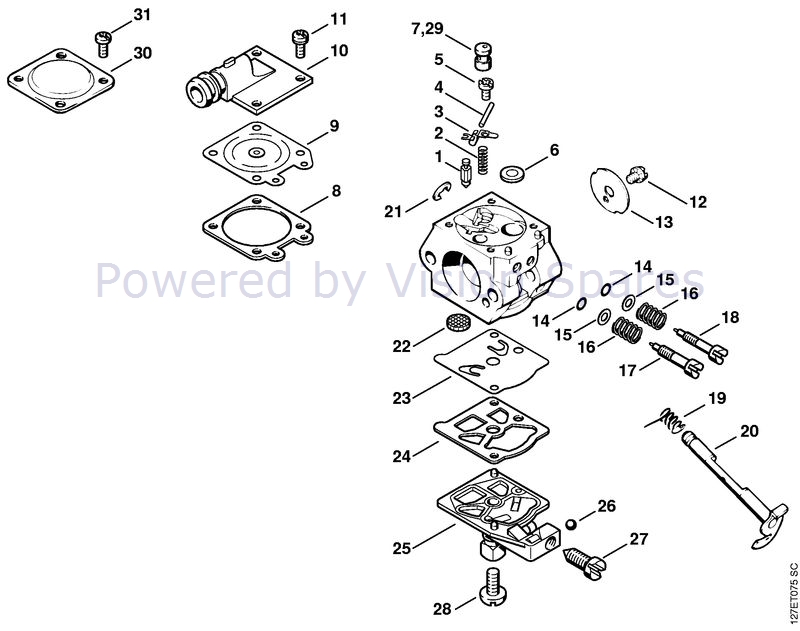
The most common cause of a chainsaw that won’t idle is a clogged idle jet or low-speed circuit. This tiny passage delivers fuel at low RPM and is easily blocked by varnish.
Clogged Jet Blocks Low-Speed Fuel
If the saw runs at full throttle but dies at idle, the main jet is clear but the idle circuit is likely clogged. Turning the L screw has no effect? That is a classic sign. The idle jet is often too small to see through, so use magnification. Even a partial blockage prevents proper fuel metering.
Disassemble and Soak the Carburetor
Remove the carburetor and take it apart. Soak it overnight in non-chlorinated carburetor cleaner to dissolve varnish. Use compressed air to blow through all ports, especially the idle circuit. Clear the idle jet with a fine wire like a guitar string. Never use copper, as it can damage brass. Rebuild with a new gasket kit to prevent leaks.
Adjust the L and T Screws Correctly
Proper carburetor adjustment is critical. But never adjust a cold engine. Always warm it up first.
Set the L Screw for Smooth Idle
The L screw controls the low-speed fuel mixture. Start by seating it lightly, then back it out 1.0 to 1.5 turns. Consult your manual for the exact specification. Warm the engine for 3 to 5 minutes. Turn the screw slowly. Counter-clockwise enriches if the engine bogs. Clockwise leans if it smokes or runs rough. Find the smoothest idle point. If no adjustment helps, the circuit is likely clogged.
Use the T Screw to Stop Chain Creep
The T screw sets idle speed by opening or closing the throttle plate. Turn it counter-clockwise to raise RPM until the engine runs steadily. Then turn clockwise just enough to stop the chain from moving. Typical idle is 2,500 to 3,000 RPM. If the chain still creeps, the clutch or idle speed is too high.
Fix Air Leaks and Gaskets
Unmetered air entering the engine leans the mixture, especially when hot, causing idle failure after cutting.
Intake Gasket or Loose Bolts Cause Leaks
Check the carburetor mounting nuts, cylinder bolts, and intake manifold gasket. A loose or degraded gasket lets air in, bypassing the carburetor. These leaks often worsen with heat, explaining why the saw idles cold but fails hot. Re-torque all fasteners after the engine warms up.
Inspect the Primer Bulb
If equipped, a cracked primer bulb or failed check valve introduces air into the fuel system. The bulb may stay collapsed or not return after pressing. Replace the entire assembly for $10 to $20. Ensure new bulbs have functioning internal valves.
Unclog the Spark Arrester
A blocked muffler screen increases backpressure and disrupts idle stability.
Clean the Spark Arrester Regularly
Remove the muffler cover and inspect the metal mesh screen. Carbon buildup restricts exhaust flow, reducing engine efficiency. Clean with a wire brush or replace if damaged. Do this every 25 hours or after heavy use. A clear exhaust path supports consistent idle.
Diagnose Heat-Sensitive Idle Failure
If the saw idles fine when cold but fails after cutting, the problem is likely thermal expansion-related.
Crankshaft Seals May Be Failing
Worn front or rear crank seals allow air into the crankcase, creating a lean condition under heat. The engine runs well cold but struggles to return to idle after load. Even low-hour saws can have this issue. Perform a crankcase pressure test. Apply 5 to 10 psi and check for leaks with soapy water. Bubbles mean seal failure.
Diaphragm Stiffness Affects Metering
Heat causes old diaphragms to stiffen, disrupting fuel pump and metering action. Even with clean jets and correct adjustment, internal wear causes failure. Rebuild the carburetor with an OEM kit. Do not rely on aftermarket diaphragms.
Rebuild or Replace the Carburetor
If cleaning and adjusting do not work, the carburetor may be worn or damaged internally.
Rebuild with OEM Kit
Replace diaphragms, needles, seats, and gaskets using a model-specific kit for $10 to $15. Soak the carburetor body to clear hidden varnish. Label screws during removal. Mixing up L and H screws causes poor tuning. Rebuild kits restore function but will not fix physical damage.
Swap to New Aftermarket Carb
If the carb body is cracked or jets are damaged, replace it. Aftermarket carbs cost $20 to $60. OEM units cost $50 to $100. They bolt on easily and often improve reliability. Keep the old one as a spare.
Test Engine Compression

Low compression means the engine cannot generate enough pressure to run at idle, no matter how well the carburetor works.
Check Compression with Tester
Remove the spark plug and install a compression tester. Hold the throttle wide open and pull the starter 5 to 6 times. Small saws, 20 to 40cc, should read over 70 PSI. Larger models need over 100 PSI. Readings below spec suggest worn rings, piston damage, or failed seals.
Low Compression Requires Major Repair
If compression is low, internal engine work is needed. Replace piston rings or the entire cylinder assembly. This is advanced work. Consider professional service or replacing the saw if it is old or low-value.
Prevent Future Idle Problems
A chainsaw that won’t idle is usually preventable with good fuel habits and routine care.
Use Ethanol-Free Fuel and Stabilizer
Always use fresh, stabilized fuel. Ethanol-free gas lasts longer and does not attract moisture. Add stabilizer even if you plan to use the saw soon. Run the engine dry before storage. Do not leave fuel sitting in the carburetor.
Follow Maintenance Schedule
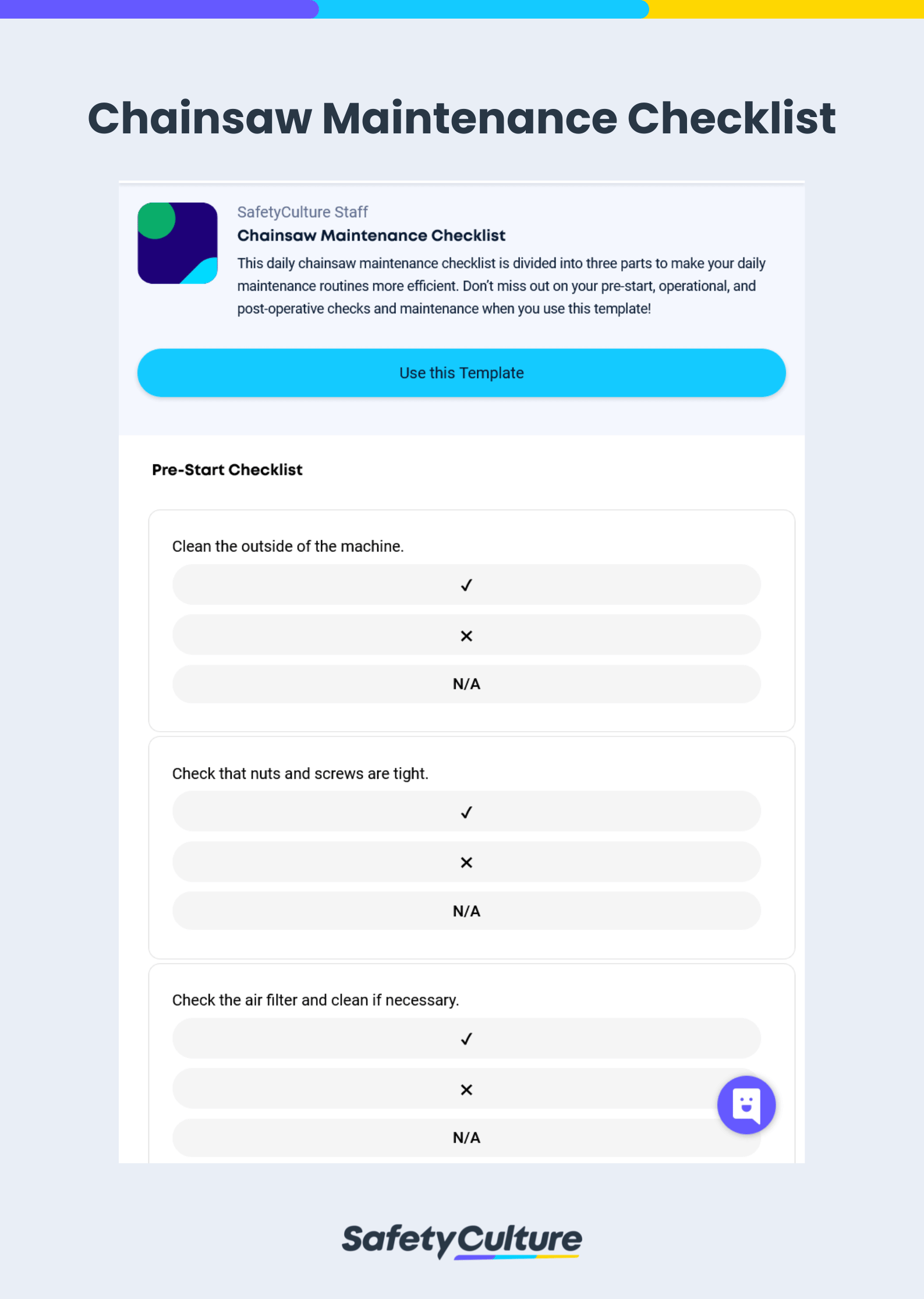
Clean air filter every 10 hours. Replace spark plug every 25 hours. Clean spark arrester every 25 hours. Replace fuel filter and lines every 2 to 3 years. Re-torque carburetor and cylinder bolts periodically.
Frequently Asked Questions About Chainsaw Idle Problems
Why does my chainsaw only run with the choke on?
This typically indicates a lean fuel mixture at idle. The choke enriches the mixture, allowing the engine to run. Common causes include a clogged idle jet, stale fuel, or a dirty air filter. Start by replacing the fuel and cleaning the carburetor’s idle circuit.
Can a bad spark plug cause idle problems?
Yes. A fouled or weak spark plug cannot ignite the fuel mixture reliably at low cylinder pressure. This causes misfires and stalling at idle. Check the plug color. Light tan is normal. Black or oily indicates rich mixture. White indicates lean. Replace if the electrode is damaged or the gap is off.
How do I know if my carburetor needs rebuilding?
If the L and T screws have no effect on idle, the idle circuit is likely clogged. Rebuilding is needed when diaphragms are stiff, needle valves are worn, or internal passages are blocked. A rebuild kit costs $10 to $15 and restores function for most issues.
Why does my saw stall when I release the throttle?
This points to a problem in the idle circuit. The most common cause is a clogged idle jet from varnish buildup. Other possibilities include a faulty fuel cap vent, weak fuel filter, or air leak at the carburetor base. Work through the fuel, air, and ignition system methodically.
Should I use ethanol-free fuel in my chainsaw?
Yes, whenever possible. Ethanol-blended gasoline degrades within 30 days and forms varnish that clogs fine carburetor passages. Ethanol-free fuel lasts up to 6 months with stabilizer. It prevents moisture buildup and extends engine life.
How often should I clean my chainsaw’s carburetor?
Clean the carburetor whenever idle problems occur or during routine maintenance. If the saw sits with old fuel, varnish builds up in the idle circuit. Soak the carburetor in non-chlorinated cleaner overnight. Blow out all passages with compressed air. Rebuild with new gaskets to ensure a proper seal.
Key Takeaways for Fixing Your Chainsaw Idle
A chainsaw that won’t idle is rarely beyond repair. Start with fuel, air, and spark. Ninety percent of cases resolve here. If the L screw does nothing, clean the carburetor’s idle circuit. For heat-related failures, suspect air leaks or crank seals. With fresh fuel, clean filters, and proper adjustment, your saw should idle smoothly and transition cleanly from idle to full throttle. Prevent recurrence by using ethanol-free fuel and running the engine dry before storage.