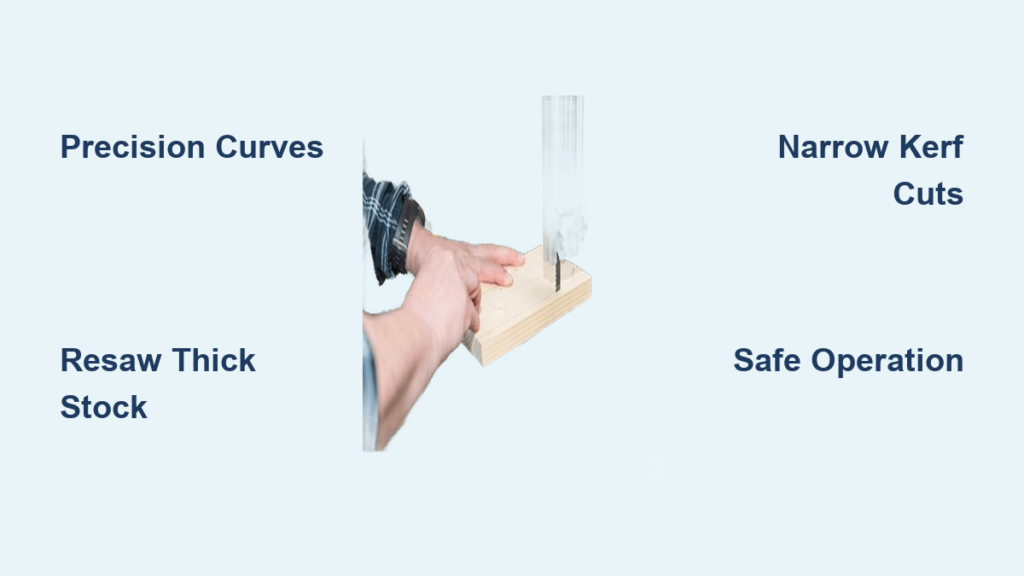
If you’re shaping wood, metal, or even ice, the band saw offers unmatched versatility and precision that other saws simply cannot match. This continuous-loop cutting tool stands out in workshops and industrial settings for its ability to handle curves, resaw thick stock, and minimize material waste, all while delivering exceptional control and safety. Unlike rigid straight-line saws, the band saw empowers artisans and fabricators to explore complex designs while saving significant time and labor. Whether you’re a hobbyist, furniture maker, or metalworker, understanding the benefits of a band saw reveals why it is often the most-used machine in modern shops.
This guide breaks down every advantage of the band saw, from narrow-kerf efficiency to creative freedom with reclaimed lumber, backed by real-world applications and expert insights. You’ll discover why this tool is considered a strategic workshop asset that enhances precision, reduces waste, and expands creative potential across countless projects.
Precision Cutting with Tight Curves
A band saw excels at following intricate patterns with minimal deviation from your marked lines. Using narrow blades as thin as 1/8 inch, it cuts tight-radius curves in wood, plastic, or soft metals with accuracy that surpasses jigsaws and circular saws. The continuous blade motion reduces vibration, allowing smooth tracking along marked lines. This makes the band saw ideal for scrollwork, decorative trim, and freehand shapes where precision matters.
Achieving Clean Line Following
Unlike handheld tools that wobble under pressure, the band saw maintains a fixed blade path that ensures consistent results across every cut. Users report significantly better line-following accuracy, especially when using templates or pivot jigs for repetitive work. For detailed woodworking tasks, pair a 1/4″ or narrower blade with 6 to 10 teeth per inch to achieve smooth, accurate curves.
Enhanced Visibility During Cuts
Many band saws feature downward dust collection systems that pull debris away from the cut zone. This keeps your cut line visible throughout the operation, enhancing control during detailed work. In contrast, jigsaws blow dust forward, obscuring your view and increasing the risk of errors. Clear sightlines mean fewer miscuts and less rework, which is especially important when working on expensive hardwoods or intricate joinery.
Superior Curved and Irregular Shape Performance
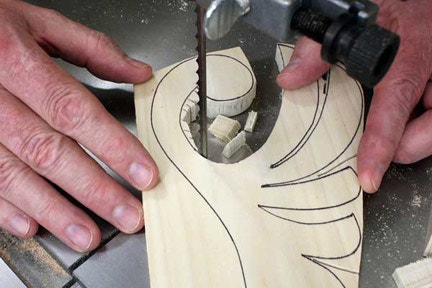
When it comes to arcs, ovals, spirals, or freeform designs, no other power saw matches the band saw. It allows multidirectional feeding, enabling both internal and external contours that table saws simply cannot achieve. Table saws are limited to straight-line cuts, while jigsaws struggle with blade deflection on thick stock, often producing beveled edges that require additional sanding or planing.
Maintaining Consistent Cut Angles
The band saw maintains a consistent 90-degree angle throughout the cut, ensuring clean, square walls even in deep or complex profiles. This stability proves crucial for furniture legs, sculptural forms, and luthiery projects like guitar bodies or violin ribs. Unlike jigsaws, which often allow blade deflection leading to uneven edges, the band saw delivers predictable results every time.
Safe Stopped Cuts and Notches
Cutting notches or stopped dados is hazardous on table saws due to kickback risks. The band saw eliminates this danger entirely. By reversing the fence as a stop and lowering blade guides close to the workpiece, you can safely feed downward until the desired depth is reached, then pull the piece straight back with zero kickback. This technique produces clean mortises, shelf dados, and decorative inlays. While edges may require light cleanup with chisels or sandpaper, the initial cut is precise and safe.
Efficient Resawing of Thick Stock
Resawing, which involves cutting a thick board lengthwise into thinner sections, is one of the band saw’s most powerful capabilities. With the proper setup, you can transform a 4×4 into multiple 1/2″ boards or create book-matched panels from a single blank. This ability alone makes the band saw invaluable for woodworkers working with premium or rare timber.
Maximizing Material Yield
Modern 14-inch band saw models can resaw up to 13 inches thick, rivaling industrial machines in capacity. This capability lets woodworkers maximize rare or costly timber without relying on expensive pre-dimensioned lumber. By splitting a board yourself, you control the thickness of each piece and preserve more material than buying pre-planed boards.
Creating Book-Matched Panels
By splitting a board down the center and flipping one half, you create mirror-image grain patterns known as book-matching. This technique reveals symmetrical figure in figured maple, walnut burl, or crotch wood, perfect for cabinet doors, box tops, or decorative panels. The band saw’s narrow kerf preserves more material than planers or jointers, making it ideal for high-value projects where every inch counts.
Minimal Waste Through Narrow Kerf Cuts
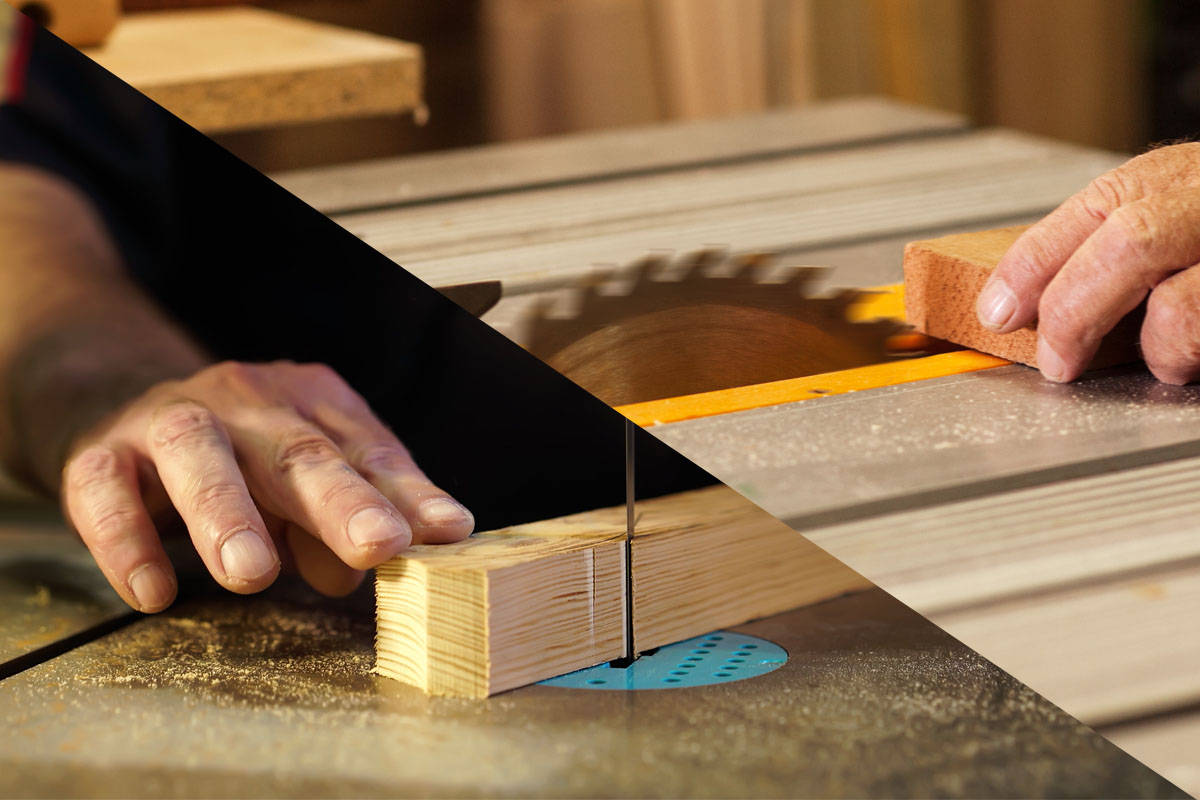
One of the biggest benefits of a band saw is its narrow kerf, which is the width of material removed by the blade. Thin-kerf blades as narrow as 1/8 inch remove significantly less wood than standard table saw blades, which typically have a 1/8-inch kerf. Over multiple cuts, this adds up to substantial savings, especially when working with premium hardwoods where material cost is significant.
Extracting Value from Scrap
The band saw transforms offcuts into valuable components that might otherwise be discarded. A single walnut scrap with an attractive knot can become three thin boards for small boxes, two vertical-cut knot panels for epoxy art, or two turning blanks for pens or handles. By resawing and reorienting pieces, woodworkers extract maximum value from wane-edged, knotty, or salvaged timber. This ability supports sustainable practices and fuels creative reuse in hybrid hand-tool workflows.
Reducing Material Loss Across Projects
Less material loss means more usable parts from each board and greater yield from small or irregular stock. For example, cutting identical rounded legs from stacked boards wastes far less material on a band saw than using a circular saw or hand tools. This efficiency translates directly to lower cost per project and more creative possibilities.
Enhanced Creative Freedom in Woodworking
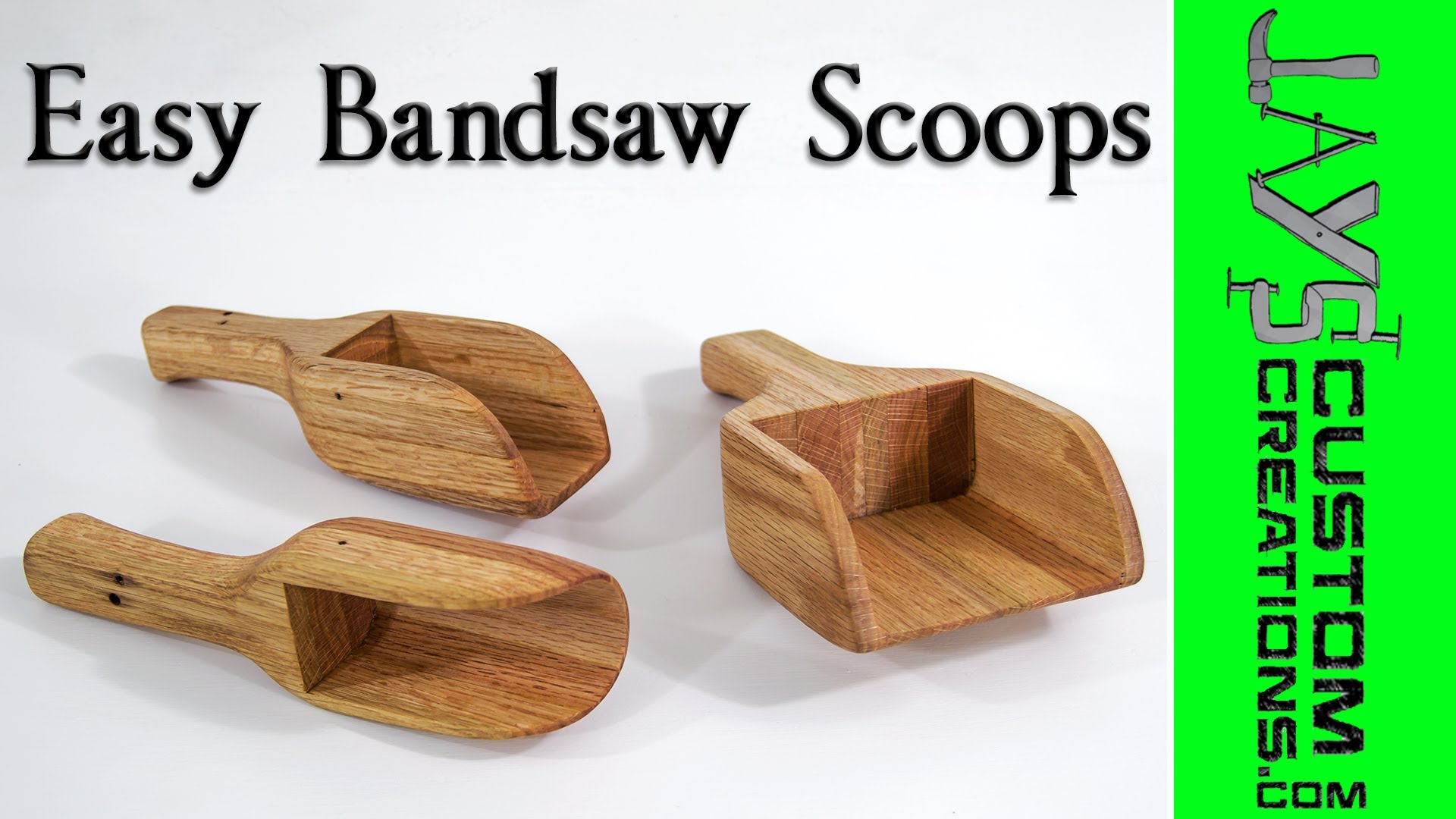
The band saw unlocks possibilities beyond straight-line geometry, enabling artistic woodworking that would be impossible with other tools. Artists use it to rough out sculptural forms, carve intricate inlays, or shape luthier components. Its ability to cut non-linear paths allows experimentation with organic shapes and asymmetrical designs that define custom furniture and artistic pieces.
Supporting Hybrid Workflows
Hobbyists and professionals alike appreciate how the band saw integrates with hand tools, preserving mill marks and natural textures rather than imposing machine-perfect surfaces. This makes it a favorite among traditional woodworkers who blend old-world craftsmanship with modern efficiency. In custom millwork or model making, the band saw acts as a force multiplier, handling repetitive dimensioning so artisans can focus on fine joinery, carving, or finishing.
Enabling Complex Designs
Whether shaping chair arms, model airplane parts, or architectural details, the band saw bridges the gap between mass production and bespoke creation. Its compatibility with jigs like circle-cutting fixtures or tapering guides expands functionality without requiring additional machines. This versatility makes it indispensable for one-off projects and custom work.
Safety Advantages Over Table Saws
Compared to table saws, band saws are inherently safer, especially when cutting small or irregular pieces. The blade moves in a single plane and is enclosed on three sides, reducing exposure to the cutting edge. There is no rotating blade exposed above the table, and the downward motion minimizes kickback risk significantly. This makes the band saw ideal for beginners, schools, and shops prioritizing safety.
Handling Small Parts Safely
Cutting narrow strips or small components on a table saw is dangerous due to proximity to the spinning blade. The band saw allows safe handling of small workpieces using push sticks or blocks. Since the blade does not spin freely after power-off, there is less chance of sudden movement that could cause injury. This safety margin enables precise cutting of inlays, marquetry pieces, or delicate trim without fear of injury.
Reducing Kickback Incidents
Even when cutting stopped dados or notches, the band saw process remains safe and controlled. The enclosed blade design and downward cutting action virtually eliminate the kickback hazard that makes similar operations dangerous on table saws. This safety advantage alone makes the band saw worth including in any workshop.
Versatility Across Multiple Materials
The band saw is not limited to wood. With the correct blade, it cuts metal bars, pipes, and tubing using bi-metal or carbide-tipped blades. It handles plastics including acrylic, PVC, and polystyrene foam, as well as composites like fiberglass and carbon fiber. Specialized applications include cutting bones and frozen meat in commercial butchery and slicing ice blocks for sculptures or bars with specialized models.
Industrial and Niche Applications
Specialized band saws serve critical roles across industries. In butchery, they deliver clean, precise cuts with minimal product loss. The semiconductor industry uses high-precision models for slicing silicon wafers. Ice sculpting uses remote-operated saws like the BF Technology C70, which replace dangerous chainsaws with safer, faster alternatives. Automotive and machine shops rely on band saws for cutting custom brackets, exhausts, or blanks for machining.
Material-Specific Speed Optimization
Variable speed controls allow optimization for different materials. Slower speeds work best for steel to prevent overheating, while faster speeds suit aluminum or wood. This adaptability makes the band saw useful across diverse workflows, from woodworking shops to metal fabrication facilities.
Labor and Time Savings in the Workshop
Woodworkers often describe their band saw as a second set of hands, handling repetitive or physically demanding tasks like ripping thick stock or resawing. What would take hours with a hand saw can be accomplished in minutes on a band saw. For example, splitting a 4-inch oak post by hand is exhausting and slow, while a band saw completes the job before lunch, freeing time for joinery, finishing, or design work.
Accelerating Project Turnaround
By reducing reliance on secondary tools, the band saw speeds up entire workflows. Stack cutting identical curved parts, resawing blanks, or roughing out shapes all happen in one operation. Many shops find they use their band saw more frequently than their table saw, especially when paired with a router for shaping. In some workshops, band saws and routers handle 80 percent of tasks, minimizing the need for multiple machines.
Space Efficiency for Home Shops
Unlike planers or jointers, vertical band saws take up minimal floor space, making them ideal for home workshops and mobile setups. Benchtop models fit in small garages, while larger floor-standing units still occupy less room than horizontal saws or wide-belt sanders. Their upright design promotes better posture during use, reducing strain during long sessions.
Choosing the Right Size
Benchtop 9-inch and 10-inch models offer entry-level access, though serious users often upgrade quickly. A 14-inch model provides the best balance between size, capacity, and affordability, typically costing $400 to $450. These machines support riser blocks to extend cutting height, future-proofing your investment as your skills and projects grow.
Simple Maintenance and Blade Options
Blade versatility is a core benefit of the band saw system. You can swap blades based on the task, using 1/8-inch to 1/4-inch wide blades with 6 to 10 tpi for curves and intricate cuts, or 1/2-inch to 3/4-inch wide blades with 2 to 3 tpi for resawing and ripping. Easy blade changes mean quick adaptation between jobs, and matching blade type to material prevents overheating or breakage.
Maintaining Your Band Saw
Well-maintained band saws last decades with routine care. Key upkeep tasks include cleaning wheels, guides, and blade after each use, lubricating moving parts regularly, and checking blade tension and tracking weekly. Inspect guide blocks made of tungsten or ceramic for wear, and replace hydraulic or gear oil every six months. Common issues like blade drift or breakage usually stem from misalignment, incorrect tension, or dull blades, all of which regular checks can prevent.
Frequently Asked Questions About Band Saws
What makes a band saw better than a table saw for curved cuts?
The band saw excels at curved cuts because its continuous blade maintains consistent angles without deflection. Table saws are limited to straight-line cuts, while jigsaws struggle with blade wander on thick stock. The band saw produces clean, square walls in curves that would be impossible on other saws.
Can a band saw really save money on material costs?
Yes, the narrow kerf of band saw blades, sometimes as thin as 1/8 inch, removes significantly less material than standard table saw blades. Over multiple cuts, especially with expensive hardwoods, this difference adds up to substantial material savings. The ability to maximize scrap and reclaimed wood further reduces costs.
Is a band saw safe for beginners to use?
Band saws are generally safer than table saws for beginners due to their enclosed blade design and reduced kickback risk. The downward cutting motion and three-sided blade enclosure minimize exposure. However, users should still follow basic safety practices, including using push sticks for small pieces and keeping hands clear of the blade.
What size band saw should a hobbyist purchase?
A 14-inch band saw offers the best balance of capacity and affordability for most hobbyists. Benchtop models under 10 inches often have limited resaw capacity that frustrates serious users. Investing in a quality 14-inch model from a reputable brand provides sufficient capability for most woodworking projects.
How often should I change my band saw blade?
Replace your band saw blade when you notice decreased cutting speed, burned edges on material, visible tooth damage, or excessive noise during operation. Regular inspection during routine maintenance helps identify when blades are dulling. Using the correct blade type for your material prevents premature wear.
Key Takeaways for Understanding Band Saw Benefits
The band saw stands out as one of the most versatile, safe, and efficient tools in any workshop or industrial environment. Its unique combination of precision, material adaptability, operational safety, and creative potential makes it an essential centerpiece in both traditional craftsmanship and modern manufacturing. The narrow kerf reduces waste significantly, while the ability to cut curves and resaw thick stock opens creative possibilities unavailable with any other saw.
Whether you are cutting wood, metal, plastic, or specialty materials, the band saw delivers consistent results with less waste and greater safety than alternatives. For woodworkers specifically, it preserves the natural character of timber while enabling complex designs. Investing in a quality 14-inch model from a reputable brand, maintaining it regularly, and stocking appropriate blades for different tasks will unlock the full benefits of a band saw in your workshop for decades to come.