Setting up a chainsaw properly is the foundation for safe, efficient operation. Whether you have just unboxed a new model or are reassembling after maintenance, skipping key steps can lead to poor performance, equipment damage, or serious injury. This guide walks you through every critical phase, from assembly and chain tensioning to fuel mixing, lubrication, startup, and safety testing.
You will learn how to install the bar and chain correctly, mix fuel at the right ratio, check oil flow, and verify that safety systems like the chain brake work as intended. By the end, you will know exactly how to set up a chainsaw for first use and keep it running safely for years.
Safety First: Prepare Before Assembling Your Chainsaw
Before touching any tools or parts, prioritize safety to prevent accidental starts and injuries. This step protects you from severe lacerations that can occur if the engine fires unexpectedly during setup.
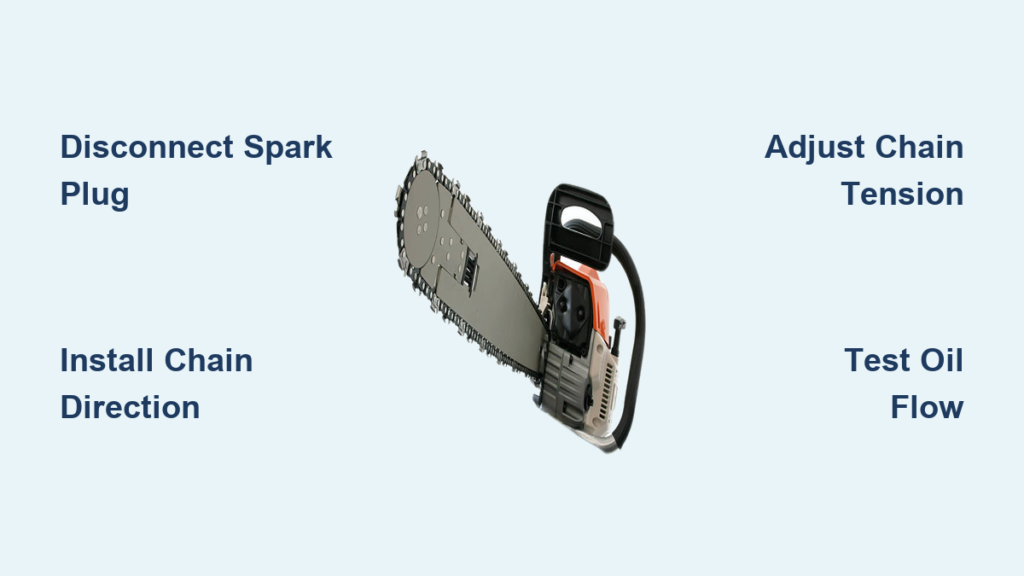
Disconnect the spark plug wire to disable the engine during setup. Wear work gloves when handling the chain to protect your hands from sharp cutters. Use additional PPE including chainsaw chaps, helmet with face shield, hearing protection, and steel-toed boots. Work in a clean, dry, well-lit area to avoid losing small parts or introducing debris into the engine.
Never skip this step. An accidental start during assembly can cause severe lacerations.
Unbox and Identify All Components
Ensure all parts are present and undamaged before starting the setup process. Missing or damaged components can compromise safe operation.
Typical components included with most chainsaws are the powerhead, guide bar, chain, spanner wrench, slotted screwdriver, fuel-mixing bottle for two-stroke models, funnels for fuel and oil, and bar-oil reservoir. Check for scuffs, bent bars, or damaged chain links. If anything appears faulty, contact your dealer before use.
Install the Guide Bar and Chain Correctly
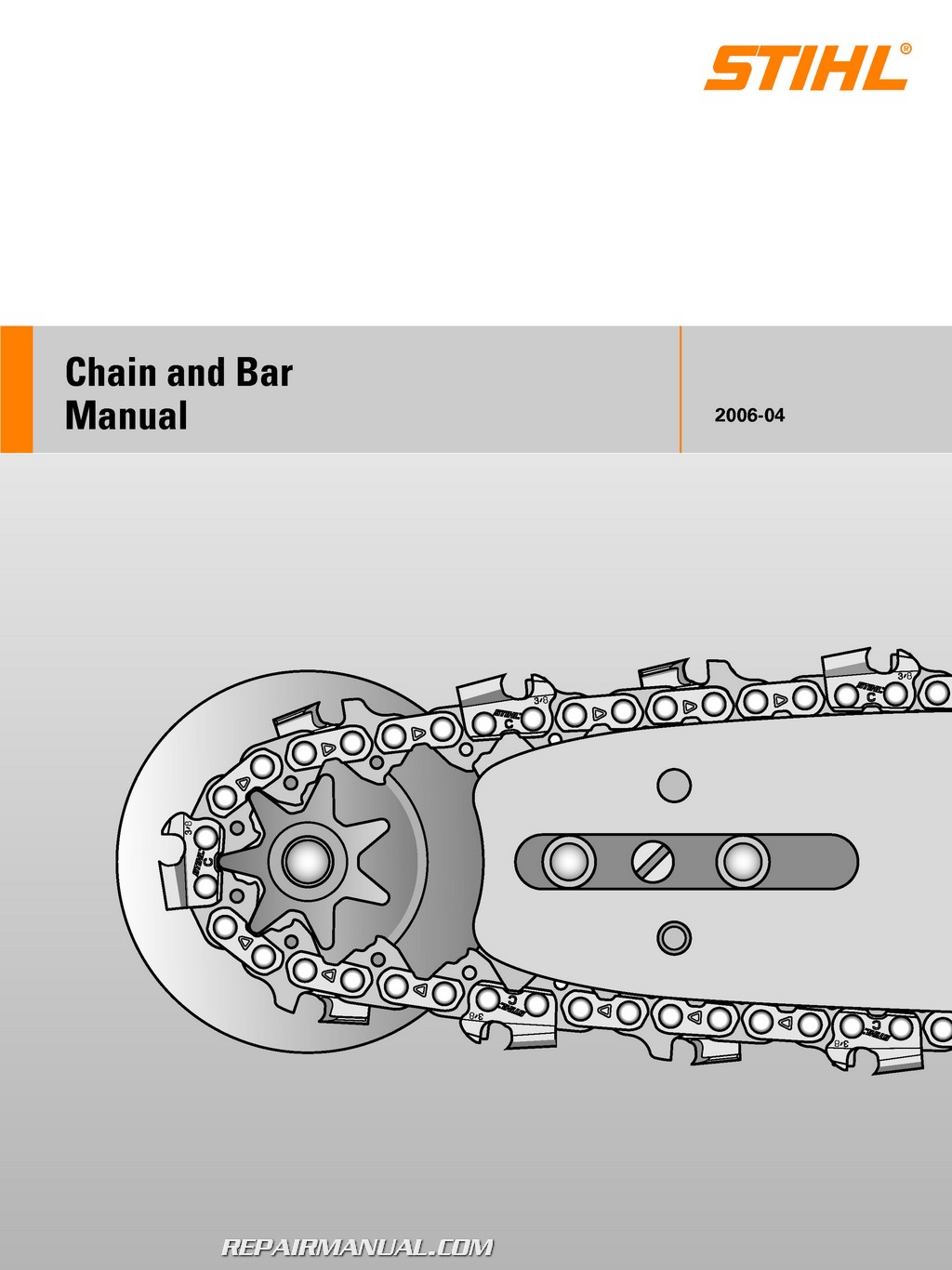
Proper installation of the guide bar and chain ensures smooth operation and prevents dangerous derailments during use. Follow these steps carefully for a secure fit.
Remove the clutch cover by using the spanner wrench to loosen the two clutch-cover nuts. On some models like the Husqvarna 120 Mark II, also remove the three filter-cover screws to prevent accidental starts. Set the cover aside with nuts in place to avoid losing them.
Mount the guide bar by sliding it onto the drive post, making sure it seats fully against the engine housing. Align the bar’s mounting hole with the tensioning screw post.
Install the chain by confirming the correct direction. On the top of the bar, cutting teeth must point forward, away from you. On the bottom, they face backward, toward you. Loop the chain around the clutch sprocket, then seat the drive links into the bar groove. Rotate the chain by hand to ensure it moves smoothly without binding.
Give the chain a small spin after installation to verify it is fully seated on the sprocket.
Adjust Chain Tension Step by Step
Incorrect tension is a leading cause of chain throw, poor cutting, and premature wear. Proper tension ensures safe operation and optimal cutting performance.
Lift the tip of the guide bar slightly to remove slack. Turn the tensioning screw clockwise until the chain hugs the bar bottom. The chain should rotate freely by hand but not sag below the bar. If the chain feels stiff and hard to turn, it is too tight, which strains the engine and bar. If it droops or can be pulled off easily, it is too loose, creating high risk of derailment.
Partially tighten the clutch-cover nuts first. After adjusting tension, fully tighten the nuts. Recheck tension because tightening can increase slack.
New chains stretch during initial use. Re-tension every 10 to 15 minutes during the first few uses.
Mix Fuel for Two-Stroke Engines the Right Way
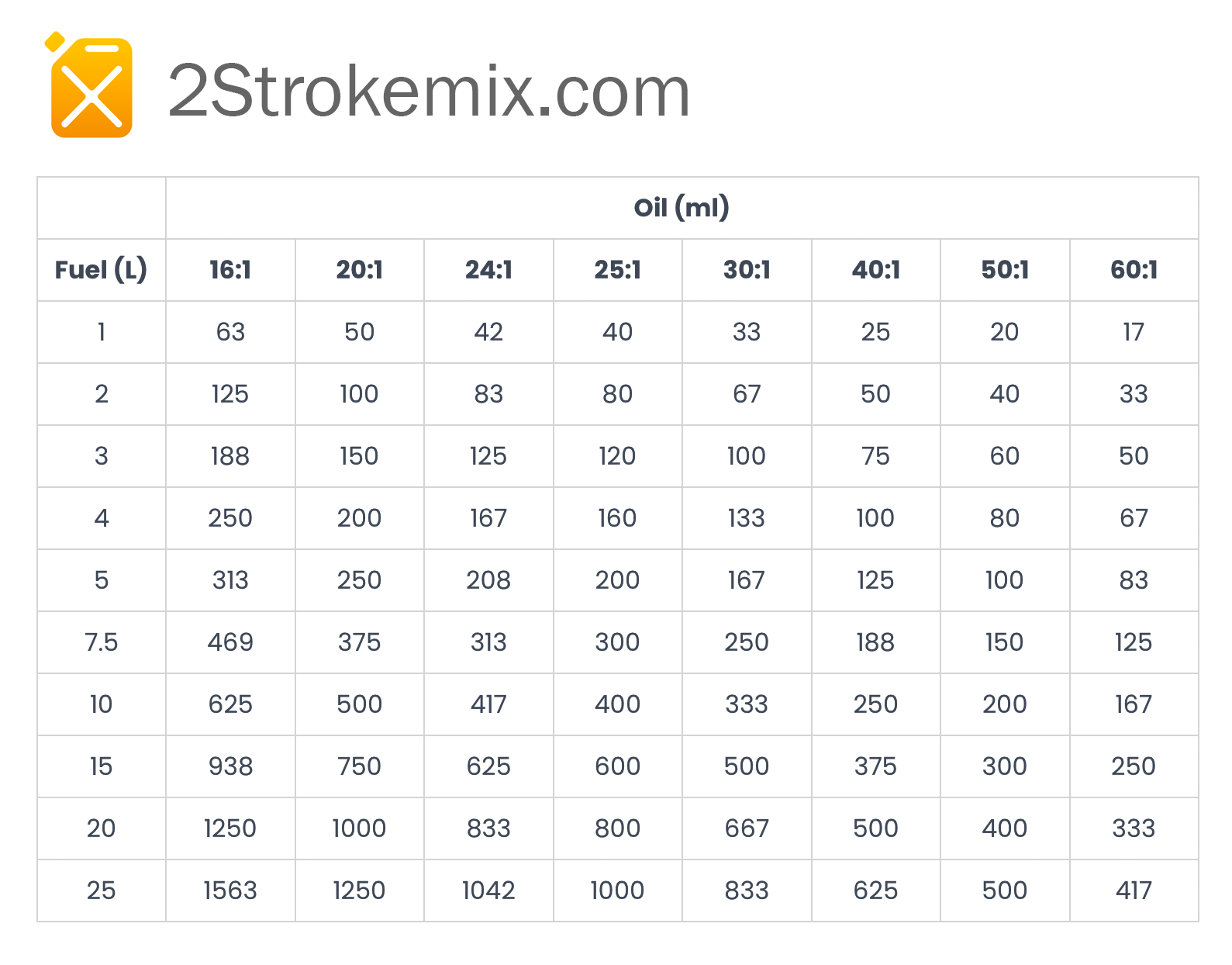
Gas-powered chainsaws require a precise fuel-oil blend. Using the wrong mix can seize the engine and cause costly damage.
Mix at 25 to 1 ratio unless your manual specifies otherwise. For example, use 1 gallon of gas plus 5.1 ounces of two-stroke oil. Use a clean, dedicated fuel container. Fill with unleaded gasoline to the lower line, then add two-stroke oil to the top line. Cap and shake for 30 seconds until fully blended. Label the container and use within 30 days to avoid fuel degradation.
Never use used motor oil, car engine oil, or diesel. These contain contaminants that damage air-cooled engines.
Fill Bar and Chain Oil Reservoir
Lubrication prevents overheating, extends bar life, and reduces friction during operation. Proper oil levels are essential for protecting your investment.
Use dedicated bar and chain oil only. It is formulated with high tackiness to stick to the chain at high speed. Avoid used oil because metal shavings act as abrasives that accelerate wear.
Unscrew the oil cap and fill to between minimum and maximum marks. Do not overfill because excess oil can leak and create a mess. Check oil level before every use because running dry destroys bars and chains quickly.
Start the Chainsaw Safely
Never start a chainsaw without following correct startup protocol. Proper starting technique prevents accidents and ensures reliable engine operation.
Engage the chain brake by pulling the front guard forward. Remove the scabbard or chain guard. Place the saw on level ground with the cutting attachment off the ground.
For cold start, prime the engine by pressing the fuel bulb 5 to 8 times until fuel is visible. Set the choke or Master Control Lever to cold start position. Stabilize the saw by placing your right foot in the rear handle and holding the front handle firmly with your left hand. Keep your left arm straight. Pull the starter cord slowly until resistance, then yank firmly upward. Never let the cord snap back because it damages the recoil. After the engine fires once, move the choke to half-throttle and pull again until the engine runs. Tap the throttle to bring it to idle, then release the chain brake by pulling the front guard back until you hear a click.
For hot engine or flooded start, skip the choke and set control to half-throttle before pulling the cord.
An alternative starting position places the rear handle between your left thigh and behind your right knee. Hold the front handle with your left hand and pull the cord with your right.
Never drop start the saw. Releasing the saw to pull the cord is illegal in many areas and extremely dangerous.
Test Advanced Starting Systems
Some models have smart features that simplify startup and reduce operator fatigue. Understanding your saw’s features ensures proper use.
For STIHL M-Tronic models, no manual choke is needed. Set the Master Control Lever to start position. Pull the cord until the engine fires, then tap the throttle to switch to operating mode.
Easy2Start reduces pull force by up to 40 percent. ElastoStart absorbs shock in the handle to reduce strain. Check your model manual to confirm which features it includes.
Verify Lubrication and Safety Systems
Before cutting, confirm everything works. These checks prevent equipment damage and serious injury.
To check chain oil flow, start the saw and run at half-throttle. Hold the bar tip over light wood or paper. Look for a visible oil trail within 10 to 15 seconds. If no oil appears, shut off the saw, refill the oil tank, check for a clogged oil outlet hole on the bar, and retest.
Clean the oil hole monthly with a stiff wire to prevent blockages.
To test the inertia brake, turn off the saw and hold it by the front handle with the bar over a stump. Release the handle, letting the saw swing down. The brake should activate automatically on impact. If it does not, service the brake system immediately.
For the manual brake test, start the saw and rev the engine. Release the throttle and push the front guard forward with your left wrist. The chain must stop instantly. For TrioBrake models, also test the rear hand guard by lifting the right wrist.
Do not use the saw if either test fails.
Prevent Kickback and Stay Safe
Kickback causes sudden, violent recoil of the bar tip, often leading to serious injury. Understanding kickback risks protects you during operation.
Reduce risk by using green-labeled components, which indicate reduced-kickback bars and chains. Avoid yellow-labeled components unless you are experienced. Always use Quickstop or Quickstop Plus chain brakes.
Never cut above shoulder height. Keep a firm two-handed grip. Avoid contact with the kickback zone, which is the top 90 degrees of the bar tip.
For corded electric models, leg protection may not stop the chain due to constant torque, so extra caution is required.
Maintain Your Chainsaw Long-Term
A well-maintained saw lasts longer and performs better. Regular care prevents costly repairs and dangerous failures.
Daily checks include rechecking chain tension before each use, topping up bar oil, and inspecting the chain for dull cutters or loose rivets.
Weekly maintenance involves cleaning the air filter and spark arrester, removing debris from cooling fins, and sharpening the chain or replacing it if cutting feels sluggish.
For storage, drain fuel or use a fuel stabilizer for long-term storage. Loosen the chain slightly to relieve bar pressure. Store in a dry place with the scabbard on.
Final Setup Checklist
Before your first cut, confirm these critical items. Skipping any of these checks risks injury or equipment damage.
Spark plug wire disconnected during assembly. Chain brake disengaged during installation. Guide bar fully seated and secured. Chain installed with correct direction, teeth forward on top. Chain tension adjusted with no sag but moves freely. Clutch cover nuts fully tightened. Fuel mixed at correct ratio and tank filled. Bar-oil reservoir filled with proper oil. Chain brake engaged before starting. Scabbard removed before startup. Saw started on ground or between legs with proper stabilization. Oil trail visible during half-throttle test. Both inertia and manual brake tests passed.
Frequently Asked Questions About Setting Up a Chainsaw
Do I need to assemble a new chainsaw before using it?
Yes. New chainsaws typically require assembly of the guide bar and chain, tension adjustment, and fluid filling before first use. Always consult your owner’s manual for model-specific instructions.
How do I know if chain tension is correct?
The chain should rotate freely by hand but not sag below the bar. If it feels stiff, it is too tight. If it droops or can be pulled off, it is too loose.
What fuel ratio does a chainsaw need?
Most gas-powered chainsaws use a 25 to 1 ratio of gasoline to two-stroke oil. Check your manual for the manufacturer’s specified ratio.
How do I check if the chain is getting oil?
Run the saw at half-throttle and hold the bar tip over a light-colored surface. A visible oil trail should appear within 10 to 15 seconds.
What safety gear is required for chainsaw setup?
At minimum, wear work gloves when handling the chain. Full protective gear includes chainsaw chaps, helmet with face shield, hearing protection, and steel-toed boots.
Key Takeaways for Setting Up Your Chainsaw
Proper setup is not optional, it is essential for safe operation. Taking time to assemble, tension, fuel, and test your chainsaw correctly prevents accidents and extends equipment life. Always disconnect the spark plug during assembly, verify chain direction, and test safety systems before cutting. Consult your owner’s manual for model-specific variations, and never skip the pre-use safety checks. With proper setup and care, your chainsaw will deliver reliable, powerful cuts for seasons to come.