Your axe deserves better than leaning in a corner or buried in a drawer. Hanging it on the wall keeps the blade sharp, the handle protected, and turns your tool into a display piece. But mounting one wrong can damage the edge, harm your wall, or worse, cause a dangerous fall.
The good news? Axe owners from woodworkers to collectors have shared their favorite hanging methods online. This guide compiles the best wall mounting techniques for every axe size, wall type, and budget. You’ll learn which method fits your needs, how to install it safely, and how to keep both your axe and wall in top condition.
Magnetic Strips for Lightweight Hatchets

Strong neodymium magnetic strips offer a clean, no-contact way to hang small axes. Mounted on reclaimed barn wood, they create a rustic look while allowing one-handed grab-and-go access.
- Best for hatchets under 3 lbs
- Install dual strips to spread weight and prevent sliding
- The blade never touches the mount, reducing edge wear
Warning: Magnets alone cannot safely hold heavy axes. A dropped felling axe can cause serious injury or wall damage.
Wooden Mounts with Leather Retention Straps
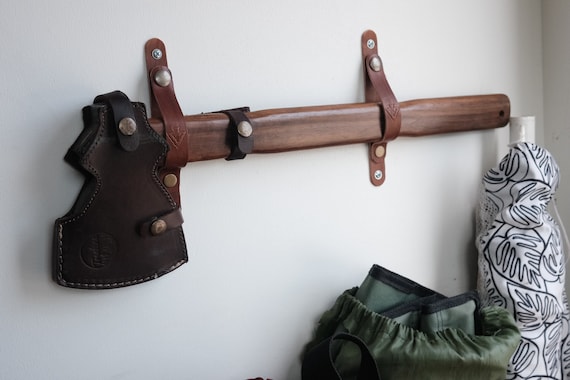
Custom hardwood mounts paired with leather straps deliver both security and visual appeal. The handle rests in a carved groove while a strap loops over the head to prevent swinging.
- Ideal for medium to large axes and collectibles
- Use oak, walnut, or maple at least 1.5 inches thick
- Line grooves with felt to protect the axe finish
- Sand grooves to match each handle’s contour for a snug fit
This method blends craftsmanship with safety, making it perfect for living rooms or workshops.
Steel Pipe and Bracket Displays
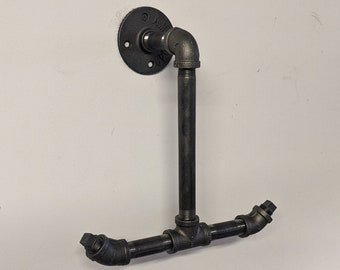
Black iron pipe fittings create ultra-strong, industrial-style hangers. Bent into cradles and bolted to wall studs with L-brackets, these mounts handle the heaviest felling axes without flexing.
- Cut and thread ¾ inch pipes to fit your axe
- Anchor directly into studs using 3 inch lag bolts
- Paint pipes with rust-resistant coating for longevity
- Angle the cradle slightly for easier insertion
These mounts can hold 10+ lbs with zero movement, making them ideal for outdoor sheds and busy workshops.
Pegboard Systems for Flexible Storage
A heavy-duty steel pegboard with adjustable hooks lets you rearrange your display anytime. This approach works well for multi-tool walls holding axes, saws, and mallets together.
- Choose ¼ inch thick steel pegboard, not plastic
- Use forged steel J-hooks rated for 50+ lbs
- Place the lower hook at the handle’s balance point
- Add labels or a shadow board layout for efficiency
This system offers maximum flexibility for growing collections.
Vertical Groove Racks in Hardwood
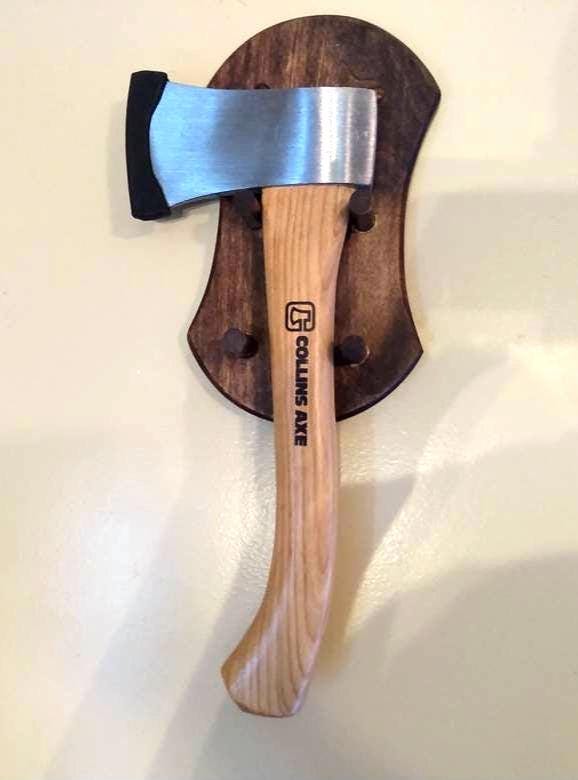
Thick hardwood racks with precision-cut vertical slots cradle each axe by the handle. This keeps blades away from the wall, preventing dulling and rust while showcasing your collection.
- Use dense hardwood sealed against dust and moisture
- Cut grooves snug enough to prevent any wobble
- Install LED strips underneath for dramatic display lighting
- Sand all surfaces smooth to avoid handle scratches
Vertical display protects edges better than flat or angled mounts.
Horizontal Rod with Closed End Loops
A steel rod mounted across the wall with closed loops at both ends creates a minimalist, secure hanger. The axe handle slides through horizontally and stays trapped in place.
- Use ½ inch diameter steel rod, powder-coated for durability
- Anchor both ends into wall studs or concrete
- Ideal for single or double axe displays in cabins or man caves
- Virtually eliminates the risk of the axe falling
Simple in design but extremely effective for secure storage.
Modular Rail Systems with Spring Clamps
Commercial modular systems like the “AxeWall” use vertical steel rails with spring-loaded clamps. Axes lock in place with a squeeze-and-slide mechanism, offering vibration resistance and adjustable spacing.
- Best for collectors with modern workshop aesthetics
- Each clamp holds up to 15 lbs safely
- Sleek industrial appearance resembling a high-end knife block
- More expensive than DIY options but offers premium safety
For frequent access to valuable axes, this system delivers unmatched convenience.
Vintage Wrought Iron Tool Racks
Antique racks with angled slots add character while keeping axes accessible. Common in old farm workshops, these finds blend function and nostalgia.
- Search flea markets, salvage yards, and Etsy for originals
- Inspect for rust, cracks, and loose joints before mounting
- Restore by sanding, priming, and sealing with clear coat
- Perfect for sheds, mudrooms, and heritage tool collections
These racks turn your wall into a conversation starter.
Weatherproof Steel Cradles for Outdoor Storage
Axes stored in outdoor sheds need protection from rain, humidity, and temperature swings. A galvanized steel cradle lined with UV-resistant leather provides that protection.
- Use stainless steel screws and wall anchors for corrosion resistance
- Apply rust inhibitor to all metal parts annually
- Mount under eaves or in covered shed areas when possible
- The U-shaped base holds the axe head securely while leather cushions the handle
This setup survives years of outdoor exposure.
Acrylic Display Cases for Collectible Axes
Rare, antique, or ceremonial axes deserve protected cases. Clear acrylic panels with rubberized inserts hold each axe firmly without creating pressure points on the handle or head.
- Choose UV-protective acrylic to prevent fading
- Use lockable versions for valuable or historical pieces
- Mount wall brackets behind the panel for stability
- Keeps dust, moisture, and fingerprints away from prized axes
This museum-grade approach suits serious collectors perfectly.
Match Your Mount to Your Wall Type
The right hanger means nothing if your wall cannot support it. Different wall materials require different anchoring methods.
- Stud walls (drywall): Always anchor into wooden studs using a stud finder. Use toggle bolts or lag screws for heavy loads.
- Concrete or brick: Drill with a hammer drill and use masonry anchors. Avoid plastic sleeves for axes over 5 lbs.
- Wood paneling or barn board: Pre-drill holes to prevent splitting and use longer screws to reach framing.
Never rely on drywall anchors alone for heavy axes. When in doubt, overbuild your mount for safety.
Choose a Mount Based on Axe Weight
Your axe’s weight determines which mounting method will hold it securely.
- Hatchets (1.5–3 lbs): Magnetic strips, pegboard hooks, or light wood mounts
- Camp axes (3–5 lbs): Wooden cradles, pipe brackets, or leather strap systems
- Felling axes (6+ lbs): Steel mounts, stud-bolted brackets, or modular rail systems
Always match the mount strength to the heaviest axe in your collection.
Install Your Mount Safently in 5 Steps
Even the best hanger fails if installed incorrectly. Follow these steps for a secure, long-lasting mount.
- Locate studs using a stud finder. Mark vertical studs, typically spaced 16 inches apart.
- Drill pilot holes slightly smaller than your screws to prevent wood splitting.
- Use 3 inch lag bolts for pipe brackets or wooden mounts into studs.
- Test the mount by applying downward and outward pressure with a sandbag or similar weight.
- Re-tighten all connections after 24 hours to account for settling.
If you cannot hit studs, use heavy-duty toggle bolts rated for 75+ lbs as an alternative.
Position Your Axe for Safe Access
Where and how you mount matters as much as what you use.
- Place the handle at waist to chest height for easy reach
- Keep the blade pointed away from walkways and children
- Allow at least 6 inches of clearance around the axe head
- Avoid spots where someone might bump into the axe accidentally
Thoughtful positioning prevents injuries and keeps your axe ready when needed.
Protect Both Your Axe and Your Wall
A good display preserves your tool and your home’s surfaces.
- Prevent blade damage: Use spacers or angled mounts to keep edges off the wall. Apply light oil to prevent rust in humid areas.
- Guard against handle wear: Use padded straps or lined cradles. Rotate axes occasionally to prevent permanent indentations. Condition wood handles every 6 months.
- Keep walls clean: Install a backer board of metal, sealed wood, or tile. Wipe down the axe before hanging. Use removable adhesive protectors on painted walls.
These habits keep your display looking sharp for years.
Maintain Your Mount and Axe Monthly and Seasonally
Regular care extends the life of both your axe and your hanger.
- Monthly checks: Inspect screws, brackets, and mounts for looseness. Look for rust on metal parts. Tighten any fittings that have shifted. Dust the display area.
- Seasonal care: Re-oil wooden mounts and handles. Re-treat leather straps with conditioner. Check outdoor mounts for corrosion after winter.
A few minutes of upkeep prevents bigger problems down the road.
Frequently Asked Questions About Hanging an Axe on the Wall
What is the safest way to hang an axe on the wall?
The safest method depends on axe weight, but anchoring directly into wall studs with lag bolts provides the strongest hold. For axes over 5 lbs, always use stud-mounted brackets, steel cradles, or modular rail systems. Avoid drywall anchors alone for heavy tools.
Can you hang an axe with a magnetic strip?
Yes, but only for lightweight hatchets under 3 lbs. Strong neodymium magnetic strips work well for small axes and offer quick access. Never use magnets for full-sized felling axes, as the weight can overcome magnetic strength and cause dangerous falls.
How high should you hang an axe on the wall?
Mount the handle at waist to chest height for comfortable access. Keep the blade pointed away from walkways and allow at least 6 inches of clearance around the head. Never position an axe where someone might bump into it accidentally.
Will hanging an axe damage the blade?
Hanging can damage the blade if the edge contacts the wall or mount directly. Use angled mounts, vertical groove racks, or magnetic strips that keep the blade suspended without contact. Apply light oil periodically to prevent corrosion in humid environments.
What type of wall mount is best for a heavy felling axe?
Steel pipe brackets, stud-bolted wooden cradles, and modular rail systems handle heavy felling axes best. Always anchor into wall studs using 3 inch lag bolts. Test the mount with equivalent weight before hanging your axe.
Final Thoughts on Hanging Your Axe on the Wall
Hanging an axe on the wall combines practicality with personal style. The best method matches your axe’s weight, anchors securely into structural supports, and keeps the blade protected from damage. Magnetic strips work for hatchets. Leather-strapped wooden mounts suit collectibles. Steel pipe brackets handle heavy felling axes with ease.
Start by weighing your axe and identifying your wall type. Choose a mount rated for that weight, install it into studs, and test it before loading. Protect both blade and handle with proper spacing, padding, and occasional maintenance.
Your next step: Pick the method that fits your axe and space, gather your hardware, and mount your first axe this weekend. A well-displayed tool stays sharper, lasts longer, and looks great doing its job.