A chainsaw that won’t start, stalls unexpectedly, or runs rough can bring your outdoor projects to a grinding halt. Whether you’re clearing storm debris or maintaining firewood, a failed chainsaw engine is more than an inconvenience. The good news? Most chainsaw engine repair issues stem from just three core systems: compression, spark, and fuel. When one fails, the engine suffers. But with the right approach, even a seized or long-stored saw can be brought back to life.
This guide walks you through every phase of chainsaw engine repair, from diagnosing no-start conditions to full engine rebuilds. You’ll learn how to test compression, spot air leaks, clean carburetors, and reassemble components with precision. By the end, you’ll know not just how to fix a chainsaw, but how to make it run like new.
Diagnose Before You Replace
Before tearing into carburetor repairs or replacing spark plugs, you need to identify the root cause. Gas-powered chainsaws rely on two-stroke engines that are simple in design but sensitive to fuel quality, air leaks, and internal wear. A systematic diagnostic approach saves time, money, and frustration.
Check Compression First
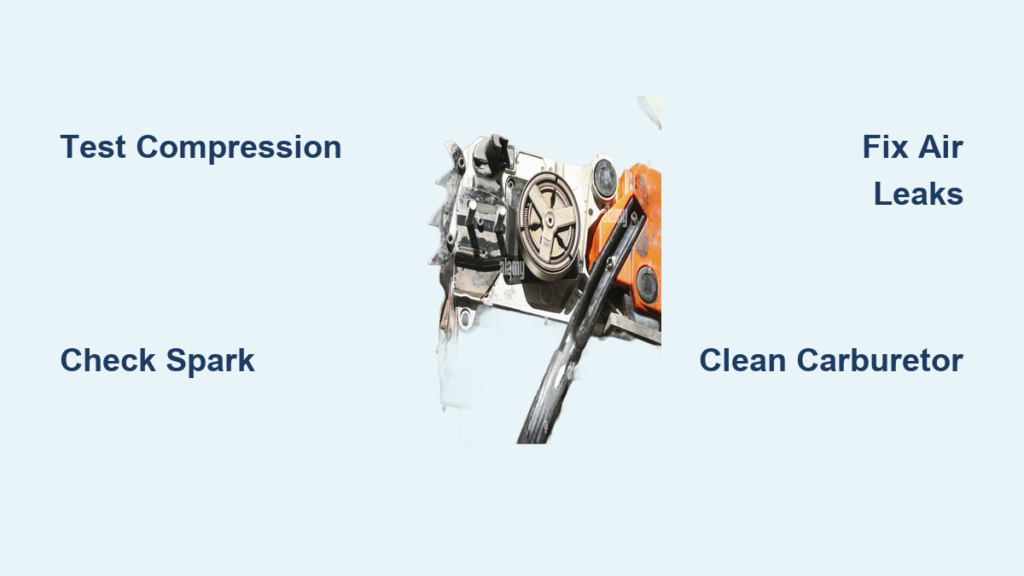
Low compression is the number one sign of internal engine damage. Testing takes minutes and reveals whether the engine’s mechanical heart is sound.
Tools needed: 14mm or 18mm compression tester. Remove the spark plug, screw in the tester, and pull the starter five to six times rapidly.
Reading guide: Above 150 psi indicates excellent condition. Between 115 and 150 psi means the engine is functional and likely doesn’t need a rebuild. Below 100 psi signals severe wear and that a rebuild is needed. Low compression without visible piston damage points to crankcase air leaks or failed crankshaft seals, not just worn rings.
Test for Spark Like a Pro
No spark does not always mean a dead coil. Test properly using a spark tester or by grounding the plug against bare metal. Pull the starter sharply and look for a strong blue-white spark that jumps a quarter inch.
No spark? Check the spark plug gap (0.5 mm), kill switch grounding by unhooking the wire to test, flywheel key for sheared condition, and ignition coil for cracks or carbon tracking. Replace plugs with OEM-spec units like NGK BPMR7A or Champion RCJ7Y.
Confirm Fuel Delivery
Most no-start issues are fuel-related. Start your diagnosis here.
Check the primer bulb: it should inflate and return. Replace if cracked or swollen. Inspect the fuel filter, which must be submerged. Replace annually. Examine fuel lines for brittleness or discoloration, and use alcohol-resistant hose. Use a Mighty Vac to test line integrity under suction.
Find and Fix Air Leaks

Air leaks in the crankcase mimic carburetor problems, causing hard starting, poor idle, and lean running. But cleaning the carburetor will not fix them. The engine needs sealed crankcase pulses to draw fuel properly.
Why Air Leaks Fool Mechanics
When crankcase seals fail, the vacuum needed to pull fuel through the carburetor is lost. The engine runs lean because it’s getting too much air, not too little fuel. This misdiagnosis leads mechanics to replace carburetors unnecessarily.
Common leak sources include failed RTV sealant between crankcase halves, worn crankshaft seals (flywheel side is worst for sawdust intrusion), cracked intake boot or carb adapter, and loose carb mounting bolts.
Pressure Test for Leaks
Remove the carburetor and seal the intake port. Pressurize to five to ten psi or apply 15 inHg vacuum, then monitor for pressure drop.
For leak detection, brush soapy water on joints and watch for bubbles. Listen for hissing, and use dye penetrant in tight spots. Repair with DOSS RTV or replace seals. Crankcase bolts should be torqued to 6 Nm.
Rebuild a Seized Engine
Seizure from aviation fuel or oil-starved running does not always mean the saw is junk. Many seized engines can be freed and rebuilt.
Free a Stuck Piston
Remove the cylinder head and spark plug. Soak the piston with penetrating oil like PB Blaster and let it sit for 24 to 48 hours. Tap gently with a wooden dowel through the spark plug hole. Rotate the crankshaft by hand once the piston moves.
If the piston moves, inspect for scoring or welding to the cylinder. Light scoring may still allow the engine to run if compression remains above 115 psi.
Replace Piston and Cylinder
When the piston is scored or seized, replace the cylinder-piston assembly.
Steps: Remove clutch, flywheel, and cylinder head. Extract piston and connecting rod. Inspect wrist pin, roller bearing, and retainer clips. Install new piston by inserting the wrist pin and securing with retainer clips. Compress rings manually during installation. Lubricate with 2-stroke assembly lube like Lucas Oil.
Torque specs: Cylinder head gets 12.6 ft-lbs in a criss-cross pattern using a T27 Torx bit. Crankcase bolts get 6 Nm.
Clean and Tune the Carburetor
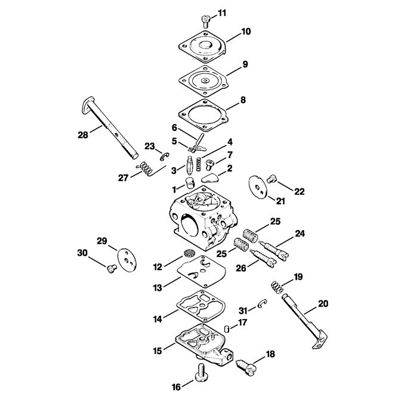
Carburetor problems are the most common cause of chainsaw failures, but most are fixable with cleaning and rebuild kits.
Disassemble Safely
Remove the carburetor, noting linkage and line routing. Use correct screwdrivers because tamper-resistant screws need a 21-tooth tool. Lay parts in order on a clean towel. Common brands are Walbro and Zama.
Soak and Blast Passages
Soak metal parts in carburetor cleaner or an ultrasonic tank. Never soak rubber diaphragms. Blow out jets with compressed air, including the main jet, pilot (idle) jet, emulsion tube, and throttle bore.
Rebuild with new diaphragms, gaskets, and needle valves.
Adjust Mixture Screws
After cleaning, tune the carburetor by warming up the engine first. Set the T (idle speed) screw so the chain does not move. Turn the L (low-speed) screw clockwise until the engine slows, then counterclockwise, and find the midpoint. Snap the throttle; it should accelerate cleanly. Adjust the H (high-speed) screw under load for maximum power without smoke.
Lean mix causes whining, overheating, and piston damage. Rich mix causes four-stroking, black smoke, and fouled plugs.
Fix the Oiler System
A chainsaw that smokes or cuts dry has an oiler problem that damages both the chain and the bar.
Diagnose No Oil Flow
Run the saw over cardboard at idle. No oil trail after 30 seconds indicates a problem. Check the oil level first. Inspect plastic oiler gears for wear or stripped teeth.
Replace or Repair Oiler
Disassemble the pump and look for gear wear. Source a donor oiler from a compatible model. Test flow before full reassembly. Adjust the oiler screw if equipped.
Never use hydraulic oil. It is too thin and leaks rapidly. Use real bar and chain oil.
Break In the Rebuilt Engine
A fresh rebuild needs time to seat rings and components properly. Skipping break-in leads to premature wear and reduced performance.
Follow Proper Break-In
Use fresh 50:1 fuel mix with 93+ octane. Start with compression release if equipped. Warm up fully. Vary throttle between idle and mid-range. Avoid wide-open throttle for the first few minutes. Make light cuts with branches or small logs.
Duration is several minutes of intermittent use.
Test Performance
After break-in, check for smooth idle, responsive throttle, and no smoke (minimal break-in smoke is acceptable). Retest compression to ensure it remains stable.
Cut Repair Costs Smartly
Not every chainsaw is worth rebuilding. Knowing when to rebuild versus replace saves money and frustration.
When to Rebuild vs. Replace
Rebuild only if parts cost less than 40% of a new saw price. High-end models like the Stihl 500i are worth it at $450 in parts versus $1,795 new. Budget saws like Poulan are not cost-effective. Exceptions include sentimental value, discontinued models, and available donor parts.
Time investment: Full rebuild takes six to ten hours. Minor repair takes one to three hours.
Use the Right Tools
Having the proper tools makes chainsaw engine repair manageable. Without them, even simple jobs become frustrating.
Must-Have Tools
Essential tools include a torque wrench with deep socket adapter, compression tester, spark tester, Mighty Vac for fuel and vacuum tests, T27 Torx bit for cylinder head, 21-tooth carb tool for Husqvarna, feeler gauge at 0.5 mm, fuel line pliers, gasket scraper, and RTV applicator.
Specialized Gear
Specialized gear includes a flywheel puller, piston stop tool, bar wrench, and chain breaker with riveter. Invest once because these tools last decades.
Prevent Future Failures
The best repair is the one you do not have to make. Proper maintenance prevents most chainsaw engine problems.
Stick to Fuel Best Practices
Use 50:1 mix with high-quality 2-stroke oil like Moto Mix or Stihl Ultra. Use 93+ octane unleaded only. Never use aviation fuel, which lacks oil and destroys engines. Stabilize fuel if storing more than 30 days. Pre-mixed fuel lasts 30 days maximum or six months with stabilizer.
Follow Maintenance Schedule
After each use, clean the air filter, check chain tension, and refill fuel and oil. Every 10 hours, inspect fuel lines, clean cooling fins, and check the spark plug. Every 50 hours, replace the spark plug, rebuild the carburetor, and inspect the clutch. Annually, replace fuel and oil lines, clean the tank, and perform a full tune-up.
Store It Right for Winter
Improper storage causes more repair calls than actual use. Winterize properly to avoid spring problems.
Winterize in 5 Steps
Drain fuel or add stabilizer and run the engine. Remove the spark plug, add one to two drops of 2-cycle oil into the cylinder, and pull the starter slowly to coat the walls. Replace the air filter and clean the exterior. Store dry and covered with the chain loose and bar protected.
Stay Safe During Repairs
Chainsaw engine repair involves fuel, spinning parts, and sharp edges. Safety matters.
Critical Safety Rules
Always remove the spark plug before working. Wear safety glasses because fuel and metal fragments fly. Work in a ventilated area because gas fumes are explosive. Use gloves around the chain and sharp edges. Never bypass the chain brake or safety switches.
One mistake can cause serious injury. Respect the machine.
Trust Expert Insights
Pro tips from experienced technicians help you avoid common mistakes.
Vince O., a small engine tech with 30+ years of experience, emphasizes that 90% of no-starts are fuel issues, so check the filter and lines first. He notes that ethanol kills carbs, so use stabilizer and fresh fuel. Always clean around the carburetor before removal to prevent dirt from entering. Adjust the carburetor only after confirming compression and spark are good.
Steve’s Small Engine Saloon advises that if the chain is not oiling, nine times out of ten it’s clogged bar holes or an empty tank. Sticky starter rope means the recoil spring is dry; lubricate with silicone spray. Seized bolts need penetrating oil and gentle heat, not force.
Frequently Asked Questions About Chainsaw Engine Repair
Why does my chainsaw start but immediately stall?
This typically indicates a fuel delivery problem, often a clogged idle circuit or dirty diaphragm. Check the fuel filter and clean the carburetor. An air leak can also cause this symptom, so pressure-test the crankcase if cleaning does not resolve it.
Can I use aviation fuel in my chainsaw?
Never use aviation fuel. It lacks the lubricating oil that two-stroke engines require and will cause piston seizure within minutes. Always use regular gasoline mixed with proper 2-stroke oil at the correct ratio.
How do I know if my chainsaw needs a full rebuild?
Test compression first. Below 100 psi indicates significant wear requiring rebuild. Above 150 psi means the engine is in excellent condition. Between those values, targeted repairs may suffice. Also consider parts cost versus saw value; rebuild only if parts are less than 40% of new saw cost.
What causes a chainsaw to run rough at idle?
Rough idle usually stems from the L (low-speed) mixture screw being out of adjustment, a dirty pilot jet, or an air leak in the crankcase. Clean the carburetor and adjust the L screw to the midpoint between rich and lean.
How often should I replace fuel lines?
Replace fuel lines every five to seven years or at the first sign of cracking, brittleness, or discoloration. Use alcohol-resistant hose to resist ethanol damage.
Why is my chainsaw smoking excessively?
Excessive smoke usually indicates a rich fuel mixture. Check the H screw adjustment and clean the carburetor. Also verify the oiler is not over-applying bar and chain oil.
Key Takeaways for Successful Chainsaw Engine Repair
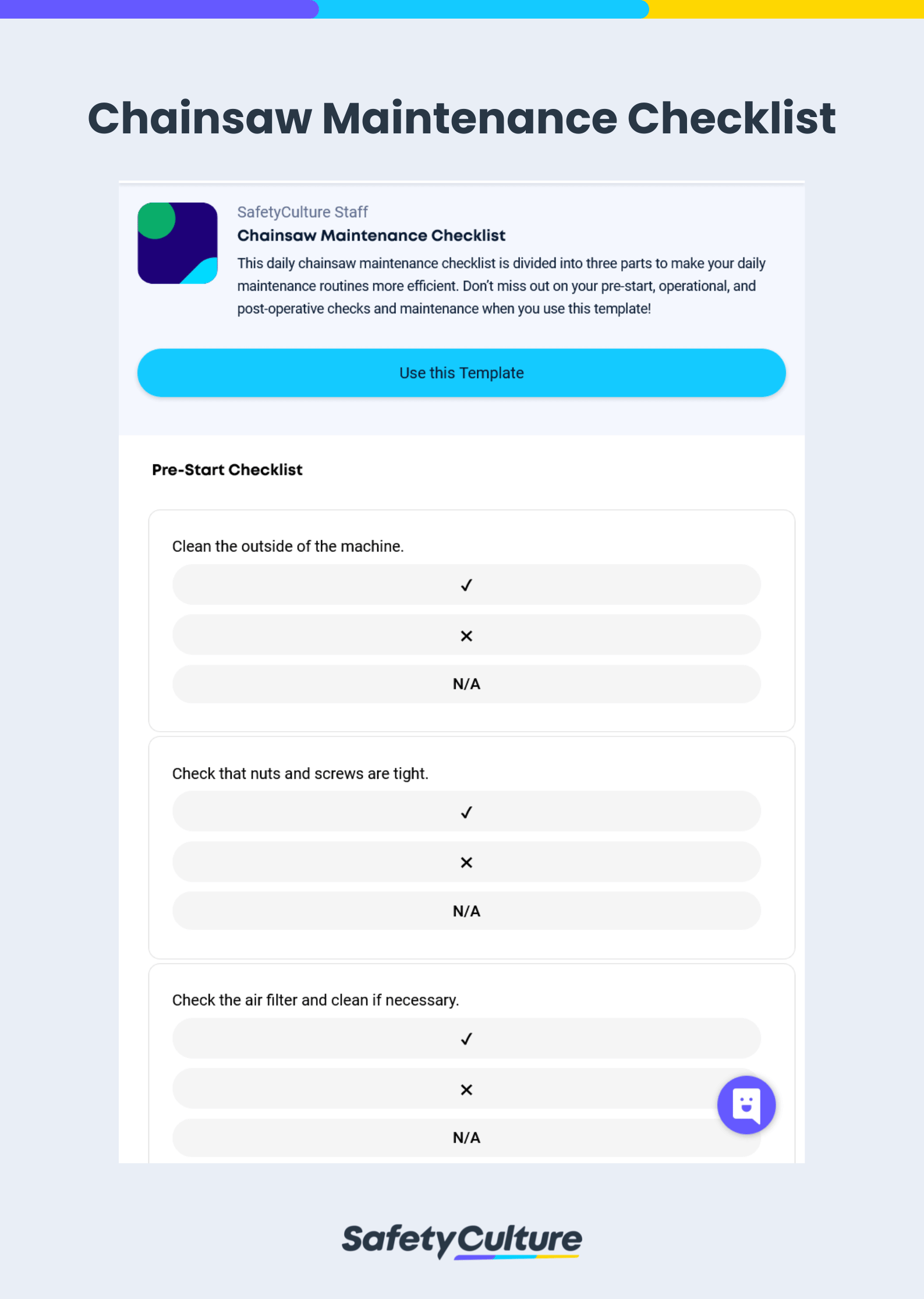
Master the three core systems: compression, spark, and fuel. Diagnose in that order to avoid wasted effort on wrong repairs. Air leaks are the silent killer of two-stroke engines; pressure-test before replacing carburetors. Use quality parts and follow torque specifications precisely. Rebuilds are cost-effective for high-end models, especially with donor parts available. With preventive care, your chainsaw can last decades. Now grab your wrench. Your next cut starts with a well-tuned engine.