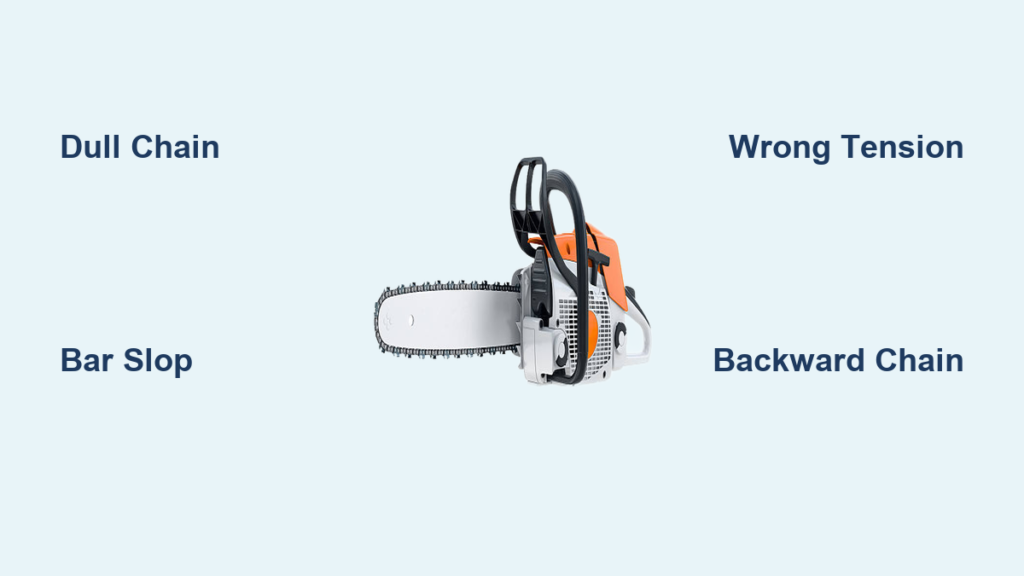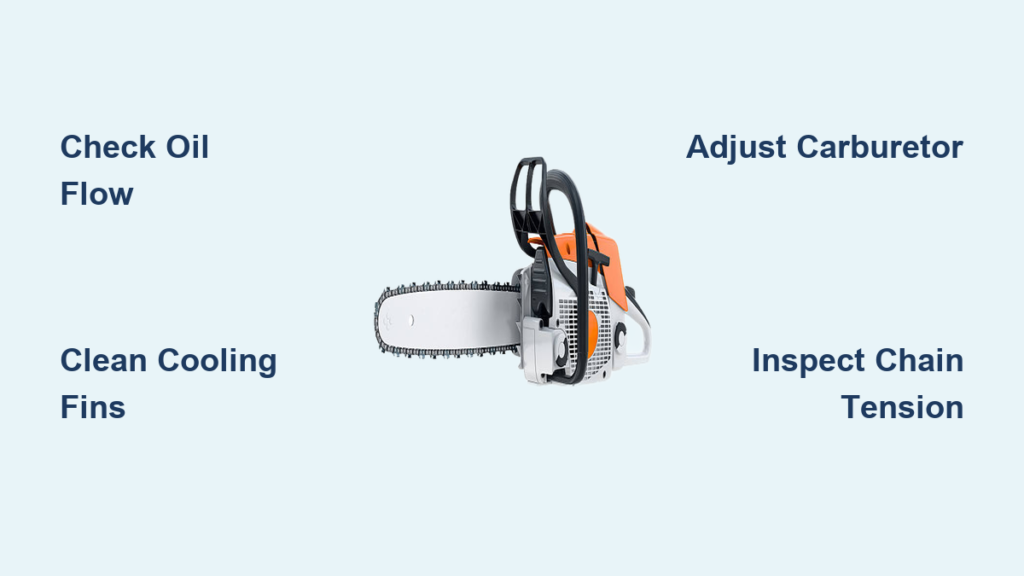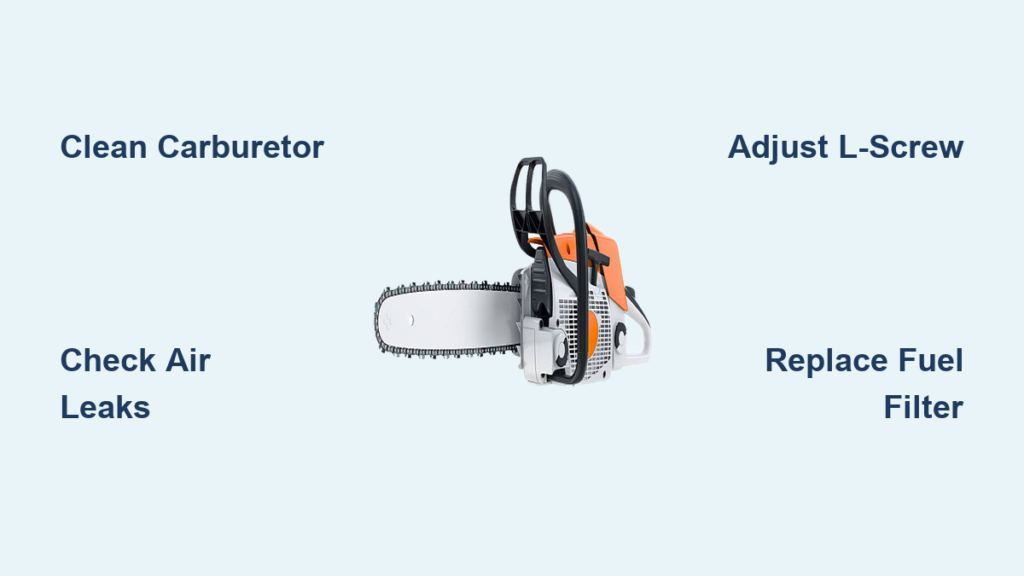
Your chainsaw engine roars to life, but the chain refuses to budge no matter how hard you pull the throttle. This frustrating scenario often means your chainsaw sprocket is not turning due to a simple oversight or a seized component. Most frequently, the chain brake remains engaged, locking the entire drive system instantly.
You can solve this problem quickly by following a logical diagnostic path starting with the safety mechanisms. This guide walks you through checking the brake, inspecting the clutch, and clearing debris to get your saw cutting again safely.
Verify the Chain Brake Status Immediately
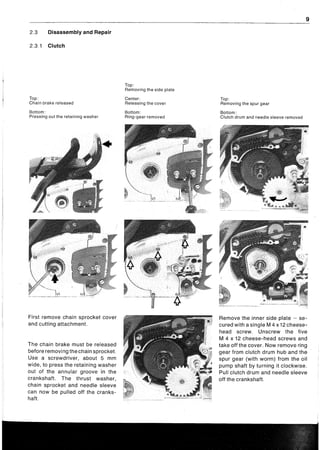
The chain brake is the single most common reason a running chainsaw fails to move its chain. On models like the Stihl 028 AV Super, this safety feature locks the clutch drum to stop the chain during kickback. If the brake handle is even partially forward, the chainsaw sprocket is not turning because the mechanism is actively holding it still.
How to Release the Chain Brake Correctly
You must disengage the brake before the engine can transfer power to the chain. Locate the black handguard in front of the front handle and pull it firmly toward the rear of the saw.
- Grip the front handguard securely.
- Pull the guard backward until you hear a distinct click.
- Attempt to pull the chain by hand to confirm it moves freely.
If you do not hear the click, the mechanism may be jammed with dirt or rust. Inspect the area around the handguard for debris preventing full retraction.
Why the Brake Might Stay Engaged
Old grease, sawdust, and sap can harden over time, gluing the brake band to the drum. Impact damage from dropping the saw can also misalign the linkage.
- Check if the handguard feels stiff or gritty when moved.
- Look for visible cracks in the plastic guard.
- Listen for any grinding sounds during release.
Clean the linkage with a dedicated brake cleaner if movement feels restricted. Replace the assembly if the plastic housing is cracked or warped.
Inspect the Clutch and Drum Assembly

If the brake is off and the chain still will not move, you need to look deeper into the clutch system. Removing the side cover, bar, and chain gives you direct access to the clutch drum and sprocket area.
Remove Bar and Chain for Access
Taking these components off allows you to see if the internal parts are spinning without external resistance.
- Loosen and remove the two nuts securing the side cover.
- Slide the cover, guide bar, and chain off the studs.
- Try spinning the clutch drum by hand.
The drum should rotate smoothly. If it feels frozen or extremely tight, the issue lies within the clutch or brake assembly itself.
Observe Clutch Movement While Revving
With the cover removed, you can test if the engine is actually trying to turn the drivetrain. Start the saw in a safe area away from people and debris.
- Gently squeeze the throttle trigger to rev the engine.
- Watch the outer clutch drum closely.
- Note if the drum spins or remains stationary.
Warning: Keep all hands, tools, and loose clothing far away from the spinning drum. It can grab items and cause severe injury instantly.
Diagnose Potential Clutch Failure
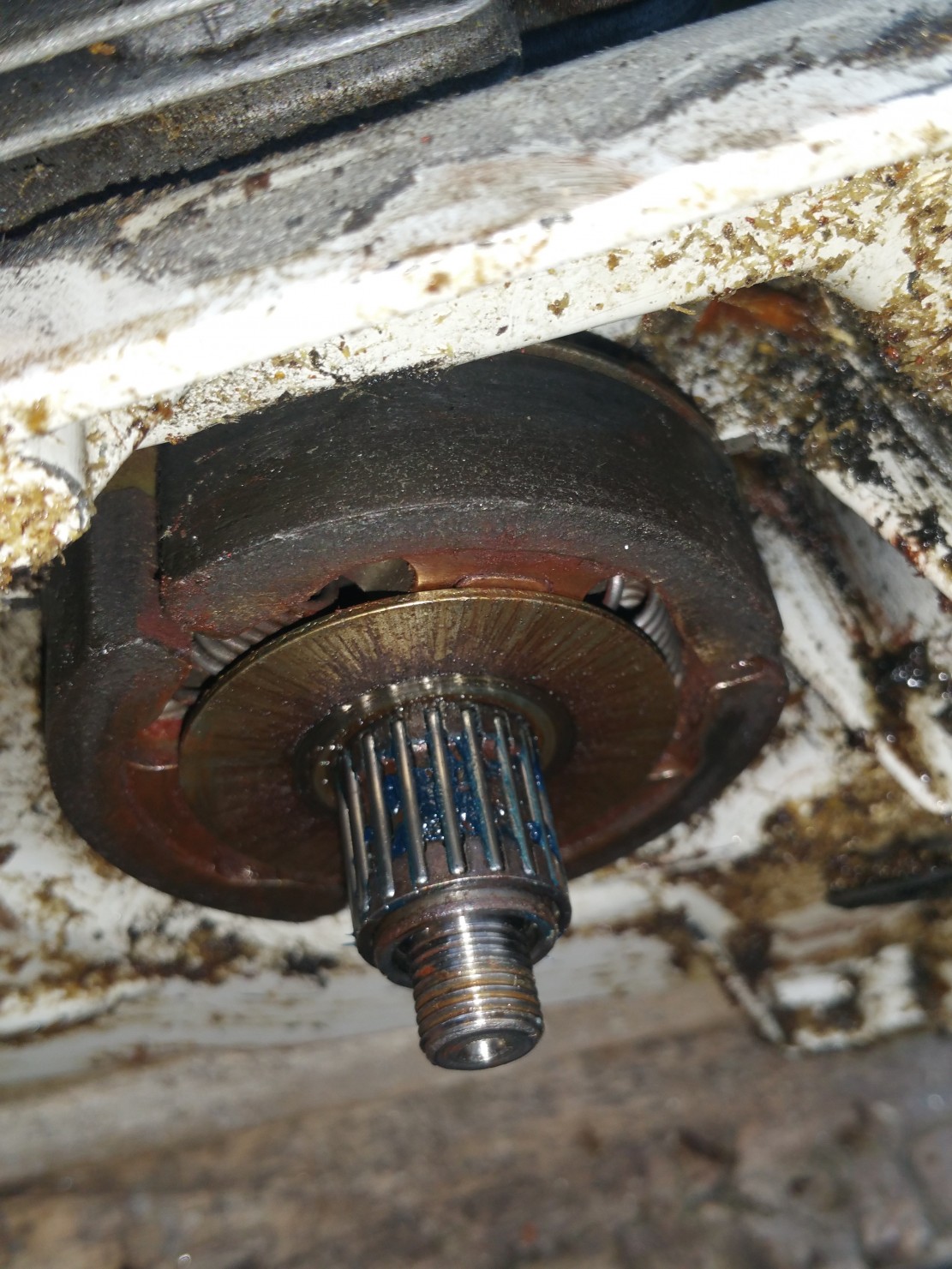
When the engine revs but the drum does not spin, the clutch is likely failing to engage. The clutch uses centrifugal force to push shoes outward against the drum. If these shoes are worn or the springs are stuck, power transfer stops.
Check for Worn Shoes or Rusted Springs
On older saws, clutch shoes wear down until they cannot grip the drum interior. Rust can also fuse the small springs that return the shoes, preventing them from expanding.
Signs of clutch issues:
* Engine revs high but the drum stays still.
* A burnt odor coming from the clutch area.
* Visible glazing or cracking on the clutch shoe lining.
Remove the clutch using a specialized removal tool or a screwdriver inserted into the drum holes. Inspect the shoes for thickness and the springs for freedom of movement. Replace any corroded or worn parts with OEM components.
Examine the Drive Sprocket Condition

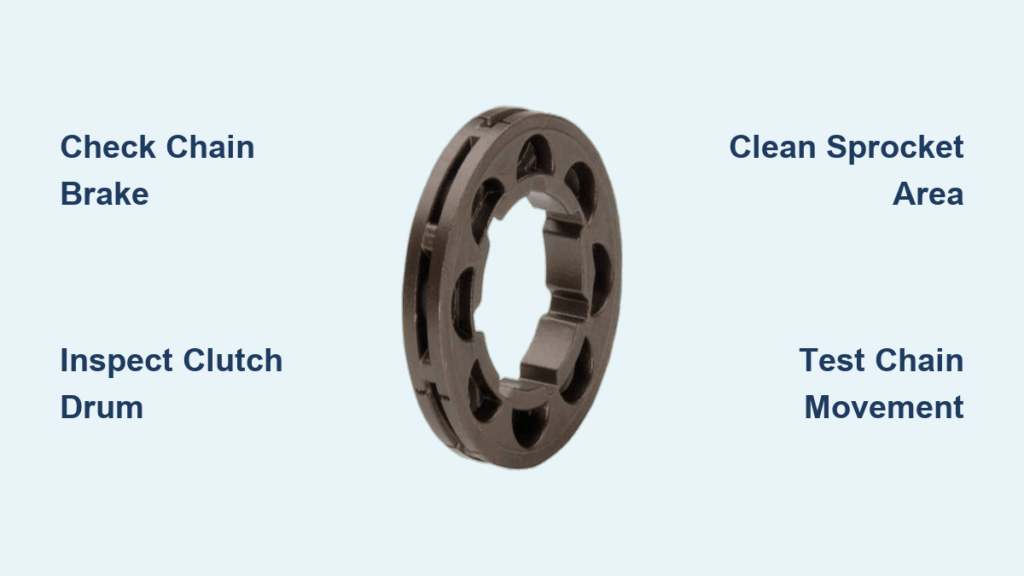
The drive sprocket sits behind the clutch drum and directly drives the chain. If this component is damaged or seized, your chainsaw sprocket is not turning regardless of clutch function.
Identify Worn or Seized Sprocket Teeth
There are two main types of sprockets: spur sprockets on the crankshaft end and rim sprockets built into the drum. Both can fail in similar ways.
- Look for teeth that are hooked, chipped, or excessively sharp.
- Check if the sprocket rotates independently of the crankshaft when it should not.
- Feel for excessive play or wobble in the sprocket assembly.
A seized sprocket can lock the entire drivetrain. Apply penetrating oil to the shaft if the sprocket appears stuck due to rust.
Clean and Lubricate the Sprocket Area
Accumulated sawdust mixed with old oil creates a gritty paste that hinders rotation. Regular cleaning prevents this buildup from causing failures.
- Spray the area with brake cleaner or a strong degreaser.
- Use a stiff brush to scrub between the sprocket teeth.
- Dry the area thoroughly and apply a drop of light oil to the sprocket nose bearing.
Flush this area after every few uses to maintain smooth operation and prevent future binding.
Test the Chain and Guide Bar

Sometimes the problem is not the saw internals but the accessories themselves. A rusted chain or warped bar can create enough drag to stop the sprocket from turning.
Determine if the Chain Is Frozen
Old chain oil turns into a sticky, concrete-like substance that traps sawdust. This can bind the chain so tightly that the clutch cannot overcome the resistance.
Quick test procedure:
* Ensure the chain brake is off.
* Try to pull the chain around the bar by hand.
* If it feels stiff or stuck in one spot, the chain is the issue.
Soak the chain in mineral spirits or degreaser for at least 30 minutes. Scrub the links with a brush, dry them, and re-lubricate with fresh bar oil. Replace the chain if links are cracked or stretched beyond repair.
Inspect Bar Rails and Oil Holes
A damaged guide bar can pinch the chain, preventing movement. The rails on the side of the bar must be smooth and parallel.
- Check for rails that are worn down or uneven.
- Ensure the oil holes at the base of the bar are clear of debris.
- Verify the bar is mounted flat against the saw body.
Rotate the bar every time you sharpen the chain to ensure even wear on both sides.
Verify Engine Power Transfer
If the clutch drum does not spin even when the engine revs, you must confirm the engine crankshaft is actually turning. This rules out catastrophic internal engine failure.
Confirm Crankshaft Rotation
Remove the spark plug to make pulling the starter rope easier and safer. With the chain and clutch cover off, pull the starter rope while watching the center of the clutch assembly.
- If the center hub spins with each pull, the engine and crankshaft are functional.
- If the hub remains stationary, the engine internals may be seized.
Caution: Do not force the starter rope if the crankshaft will not turn. Forcing it can cause further internal damage to the piston or bearings.
Common Mistakes to Avoid
Many users make simple errors that complicate repairs or cause unnecessary damage. Avoiding these pitfalls saves time and money.
- Forcing the chain: Never yank a stuck chain to break it free. This can bend the crankshaft or shatter the clutch.
- Ignoring the brake: Always double-check the brake position before assuming mechanical failure.
- Using dull chains: A dull chain increases drag significantly, making it seem like the sprocket is locked.
Prevent Future Sprocket Issues
Regular maintenance keeps your chainsaw sprocket not turning incidents to a minimum. A simple routine extends the life of your saw significantly.
Maintenance Schedule
| Task | Frequency |
|---|---|
| Clean chain and bar | After every use |
| Lubricate sprocket nose | Every 3–5 fuel fills |
| Inspect clutch shoes | Annually or every 25 hours |
| Replace chain | After 2–3 sharpenings |
| Check brake function | Before every startup |
Store your saw in a dry place with the chain removed to prevent rust and gumming.
When to Replace vs. Repair Components
Deciding between repair and replacement depends on the extent of the damage. Some parts are easily fixed while others require replacement.
Replace if:
* The clutch drum is cracked or deeply scored.
* Sprocket teeth are severely hooked or missing.
* The crankshaft is seized internally.
* The brake mechanism is broken or missing parts.
Repair if:
* The brake was simply stuck due to dirt.
* The chain was gummed up but structurally sound.
* Clutch springs are rusty but can be freed with cleaning.
Most older Stihl saws are highly rebuildable with parts available through dealers.
Final Thoughts on Fixing a Non-Turning Sprocket
A chainsaw sprocket not turning is usually a minor issue rather than a major mechanical failure. In the vast majority of cases, the chain brake was simply left engaged. Once you rule that out, inspecting the clutch, sprocket, and chain usually reveals the culprit quickly.
Regular cleaning and lubrication prevent most of these issues from occurring in the first place. Keep your saw maintained, check your safety systems before every cut, and consult your owner’s manual for model-specific details. With these steps, you can ensure your chainsaw remains a reliable tool for years to come.
Frequently Asked Questions About Chainsaw Sprockets
Why does my chainsaw engine run but the chain stays still?
The most likely cause is an engaged chain brake. Pull the front handguard back until it clicks. If that fails, the clutch may be worn or the chain could be frozen in the bar due to old oil.
How do I know if my chainsaw clutch is bad?
If the engine revs but the clutch drum does not spin with the bar removed, the clutch is likely failing. Look for worn shoes, broken springs, or heavy rust on the clutch assembly.
Can a dirty sprocket stop the chain from moving?
Yes. Accumulated sawdust and hardened oil can create enough friction to prevent the sprocket from turning. Clean the sprocket and bar groove regularly to prevent this binding.
What should I do if the chain brake won’t release?
Inspect the handguard mechanism for debris, dried sap, or damage. Clean the area with brake cleaner and lubricate pivot points. If the mechanism is cracked or broken, replace the assembly.
Is it safe to force a stuck chain to move?
No. Forcing a stuck chain can damage the clutch, sprocket, or crankshaft. Identify the root cause, such as a engaged brake or seized component, before attempting to move the chain.
How often should I check my chainsaw clutch and sprocket?
Inspect these components annually or every 25 hours of use. Look for wear on the clutch shoes and sprocket teeth, and ensure the brake mechanism operates smoothly.