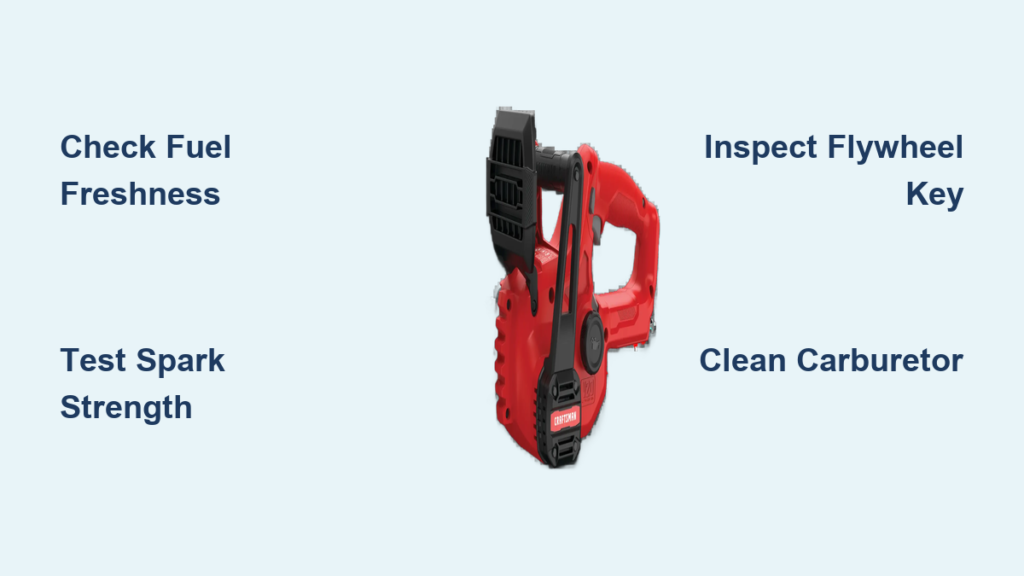
If your Craftsman chainsaw won’t start, stalls after firing, or the chain won’t turn, you are not alone. Thousands of homeowners and weekend warriors face the same issues every season. The good news? Most problems stem from a short list of common failures, and nearly all are fixable with basic tools and the right know-how. Whether you own a 358.350991 18″ 40cc model or a vintage 358.341180, this guide delivers step-by-step repair instructions, troubleshooting flows, and pro tips to get your saw back in action.
You will learn how to diagnose fuel, ignition, and compression issues, and uncover hidden culprits like a sheared flywheel key that can fool even experienced users. With clear procedures, part specs, and field-tested fixes, you will save time, money, and avoid unnecessary replacements.
No-Start Diagnosis: Find the Root Cause
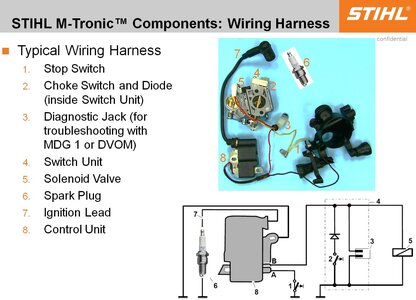
A Craftsman chainsaw that will not start needs a systematic check of fuel, spark, compression, and timing. Jumping to conclusions wastes time. Follow this sequence to isolate the issue quickly and accurately.
Check for Fresh Fuel and Flow
Stale or contaminated fuel is the number one reason Craftsman chainsaws fail to start. Ethanol-blended gasoline breaks down in as little as 30 days, forming varnish that clogs the carburetor and fuel lines.
What to do:
• Drain old fuel from the tank
• Mix fresh 50:1 two-cycle fuel (2.6 oz oil per gallon)
• Inspect fuel lines for cracks, kinks, or hardening; replace if brittle
• Squeeze the primer bulb: it should firm up in 3 to 5 presses. A soft or collapsed bulb means air leaks or fuel starvation
Pro tip: Loosen the fuel cap slightly. If the saw starts, the cap vent is blocked. Clean or replace it.
Test for a Strong Spark
No spark? The problem is in the ignition system. But a weak or mistimed spark can also prevent starting, even if the plug looks fine.
Steps:
1. Remove the spark plug (Champion RCJ8Y or equivalent)
2. Inspect for wet fuel, carbon buildup, or electrode wear
3. Set the gap to 0.025″ using a feeler gauge
4. Reinstall in the boot and ground the metal base to the engine block
5. Pull the starter rope while watching for spark
Warning: Never rely on a direct-to-block test. Use a 5 mm spark tester for accurate results. A strong blue spark means the coil works. A yellow or weak spark signals coil failure.
Verify Compression and Piston Movement
Low compression means the engine cannot build enough pressure to fire. This often results from worn rings, damaged seals, or a seized piston.
Quick check:
• Remove the spark plug
• Cover the hole with your finger
• Pull the starter rope. You should feel strong pressure
For precision, use a compression tester. Most Craftsman 40cc models should read 90 to 110 psi when warm. Below 80 psi indicates internal damage.
Visual inspection:
• Shine a flashlight into the spark plug hole
• Look for scoring, pitting, or carbon buildup on cylinder walls
• Watch the piston move smoothly. No binding or scraping.
Inspect the Flywheel Key
Even with fresh fuel, clean spark plug, and good compression, a sheared flywheel key can stop the engine from starting. This tiny part aligns the flywheel with the crankshaft for correct ignition timing.
Why it matters:
If the saw kicked back or hit a hard object, the key may have sheared. The spark plug fires, but at the wrong time. The engine floods, will not pop, and refuses to start.
How to check:
1. Remove the flywheel cover and spark arrestor
2. Take off the flywheel nut (use rope-in-cylinder trick to lock crankshaft)
3. Lift off the flywheel
4. Inspect the keyway on the crankshaft and flywheel bore
5. Look for a broken or missing metal key
Symptom: Engine floods easily, spark is strong, but no ignition occurs.
Fix: Replace the key if available. If not, use the field-expedient lapping method detailed below.
Fix Fuel System Failures
Most Craftsman chainsaw issues trace back to the fuel system. Clogged filters, cracked lines, or a dirty carburetor disrupt fuel delivery. Fix these first before replacing parts.
Replace Fuel Lines and Filter
Ethanol in modern gasoline eats rubber fuel lines. After one season, they harden, crack, and restrict flow.
Parts needed:
• Clear supply line (from tank to carburetor)
• Opaque return line (from primer to tank)
• In-tank fuel filter
Steps:
1. Drain fuel
2. Remove air filter cover and carburetor
3. Pull old lines from tank
4. Attach new lines using small zip ties or fishing line as a leader
5. Install fresh filter on the end of the supply line
6. Route lines correctly. Misrouting causes flooding
Pro tip: Replace both lines every 1 to 2 years, even if they look okay.
Clean or Rebuild the Carburetor
A clogged carburetor is the usual suspect when the saw starts but stalls, or will not start despite fuel and spark.
Diagnose:
• Remove air filter
• Pour 1 tsp of fresh fuel into the carburetor throat
• Pull starter rope
• If engine fires briefly, the carburetor is not delivering fuel
Cleaning steps:
1. Remove carburetor (T25 Torx screws)
2. Disassemble. Remove bowl, jets, diaphragm
3. Soak in carburetor cleaner for 10 minutes
4. Blow out passages with compressed air
5. Reassemble with a rebuild kit (includes new gaskets and seals)
When to replace:
If cleaning does not work, or the diaphragm is torn, install a new carburetor. Compatible units are available for 358-series models.
Restore Ignition and Timing
A strong spark is not enough. Timing must be correct. The flywheel key ensures the magnetic trigger aligns with the ignition coil. If it is sheared, timing is off.
Replace the Flywheel Key (If Available)
Ideal fix: Install a new Woodruff key.
Steps:
1. Lock piston with rope in cylinder
2. Remove flywheel nut (right-hand thread)
3. Tap flywheel gently with plastic mallet
4. Slide off and inspect keyway
5. Insert new key into crankshaft slot
6. Reinstall flywheel, ensuring key seats fully
7. Torque nut securely and reconnect spark plug
Note: The flywheel key is often not sold separately by Sears or MTD. Check third-party suppliers or use the lapping method.
Field-Expedient Fix: Lap and Lock (No Key)
When a replacement key is not available, use this proven field method.
Lap the Tapered Surfaces
- Remove all metal fragments from keyway
- Apply fine valve grinding compound to:
• Crankshaft taper
• Inside bore of flywheel - Reinstall flywheel (without key)
- Pull starter rope 20 to 30 times to wear surfaces into alignment
Secure with Loctite
- Remove flywheel and clean all compound with brake cleaner
- Reinstall flywheel
- Thread on the nut
- Apply red Loctite 271 to threads for permanent lock
• Use blue Loctite 242 if future removal is needed - Tighten firmly. Use impact driver if necessary.
Caution: This is a temporary fix. Replace with a proper key when available.
Why it works: The lapping creates a friction fit, and Loctite prevents loosening. Verified in multiple field repairs.
Repair Chain Drive and Lubrication
If the engine runs but the chain will not turn, or will not stop, the issue is in the clutch, brake, or oil system.
Fix a Stuck or Worn Clutch
The clutch engages the chain at high RPM. If it is stuck, the chain runs constantly. If worn, it slips and will not drive the chain.
Symptoms:
• Chain turns at idle
• Saw overheats, chain does not move under load
Disassemble:
1. Remove spark plug and install rope to lock piston
2. Use a large screwdriver in the clutch shoe notch
3. Turn clockwise to loosen (reverse thread)
4. Remove clutch
Inspect:
• Clutch shoes for wear
• Drum for grooves or cracks
• Spring tension
Replace if: Shoes are worn thin or drum is damaged.
Reinstall: Thread clutch back on counterclockwise and tighten securely.
Reset the Chain Brake
A disengaged brake can prevent the chain from turning.
Fix:
• Pull the front hand guard rearward to release brake band
• Ensure lever moves freely
• Test by trying to rotate chain by hand. It should turn only when brake is off.
Unclog the Oil Pump
Low oil flow causes rapid chain and bar wear.
Clean the system:
1. Remove bar and chain
2. Check oil hole in bar for blockage
3. Remove oil pump (T15 screws)
4. Blow out passages with compressed air
5. Verify the drive lug on the crankshaft turns the pump
Test flow:
• Fill reservoir
• Crank engine (without spark plug)
• Watch for oil exiting bar tip
If no flow, replace the pump.
Replace Critical Components
Some parts wear out fast. Know how to replace them quickly and correctly.
Change the Air Filter
Clogged filters starve the engine of air, causing rich running and stalling.
Steps:
1. Twist off air filter cover knob
2. Lift off cover and retainer bar
3. Remove foam or paper filter
4. Clean foam with soapy water, dry, and re-oil lightly
5. Reinstall in reverse order
Tip: Clean after every few uses. Replace annually.
Install a New Starter Assembly
Rope breaks or recoil fails? Replace the whole unit.
Remove:
1. Take off 2 to 3 T25 screws
2. Gently pull starter away. Watch for spring ejection
Install new rope:
1. Feed rope through pulley
2. Wind clockwise 2 to 3 times
3. Reattach drive gear
4. Pre-tension by winding pulley 2 revolutions
5. Tie secure knot (double overhand)
Warning: Release spring slowly. Never let it snap back.
Maintain to Prevent Failure
Most repairs are avoidable. Follow these steps to keep your Craftsman chainsaw running for years.
Use Fresh, Stabilized Fuel
• Mix at 50:1 ratio
• Add fuel stabilizer if storing over 30 days
• Never use ethanol-free gas unless specified
Perform Seasonal Tune-Ups
Before each season:
• Replace spark plug
• Clean or replace air filter
• Inspect and replace fuel lines
• Clean carburetor
• Sharpen chain
• Check oil pump function
Store Properly
- Drain fuel tank or run dry
- Remove spark plug
- Add few drops of oil into cylinder
- Pull starter slowly to coat piston
- Store in dry place, covered
Source Parts and Repair Info
Find OEM Parts
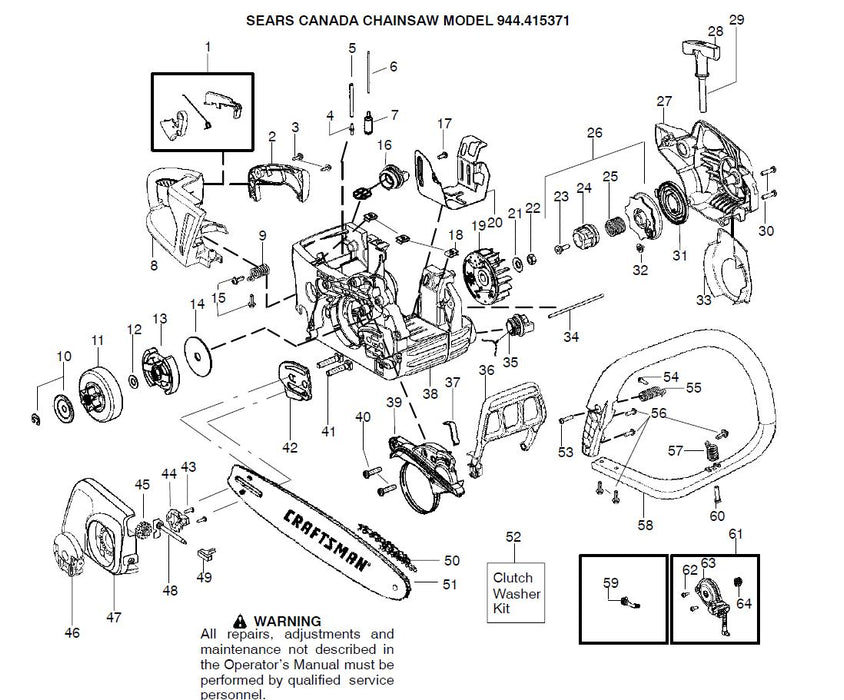
• Sears PartsDirect.com: Enter model number (e.g., 358.350200) for exploded diagrams
• eReplacementParts.com: Detailed schematics and compatible parts
• Amazon/Ebay: Search by model for carburetors, starters, and filters
Watch Repair Videos
• Michael the Small Engine Guy: Real-world diagnostics and fixes
• iFixit: Step-by-step guides for 91 Craftsman models
• JustAnswer: Ask certified technicians for help
Final Test After Repair
Before cutting wood, verify the repair:
- Reconnect spark plug
- Set switch to ON
- Prime and choke (if cold)
- Pull starter smoothly
- Let warm up to idle
- Test chain movement. Should engage above 2,500 RPM
- Confirm smooth acceleration and idle drop
If it stalls or runs rough, check:
• Idle screw adjustment
• Air leaks
• Fuel flow
Frequently Asked Questions About Craftsman Chainsaw Repair
Why will my Craftsman chainsaw not start even with fresh fuel and spark?
The issue could be a sheared flywheel key. This small part aligns the flywheel with the crankshaft for proper timing. Even with good spark and fuel, if the key is broken, the engine floods because ignition timing is off. Inspect the keyway on both the flywheel and crankshaft for broken metal fragments.
How do I know if my carburetor needs cleaning or replacement?
Remove the air filter and pour 1 teaspoon of fresh fuel directly into the carburetor throat. Pull the starter rope. If the engine fires briefly then dies, the carburetor is not delivering fuel properly. Cleaning with carburetor cleaner often fixes this. If the diaphragm is torn or cleaning fails, replace the carburetor.
What causes the chain to keep turning when the saw is at idle?
This happens when the idle speed is set too high, or the clutch is stuck. The clutch engagement RPM is around 2,500. If your idle speed exceeds this, the chain will turn continuously. Adjust the idle screw downward, or inspect the clutch for sticking or wear.
Can I still repair my chainsaw if the flywheel key is not available?
Yes. Use the field-expedient lapping method. Apply fine valve grinding compound to the crankshaft taper and flywheel bore. Reinstall the flywheel without the key and pull the starter 20 to 30 times to wear surfaces into alignment. Secure with red Loctite 271 on the nut threads. This is a temporary fix but works reliably until a proper key is found.
How often should I replace fuel lines on my Craftsman chainsaw?
Replace fuel lines every 1 to 2 years as preventive maintenance. Ethanol in modern gasoline causes rubber lines to harden and crack. Even if lines look okay, they may be restricting fuel flow. Replace both supply and return lines at the same time.
What is the correct fuel mixture ratio for Craftsman chainsaws?
Use a 50:1 ratio. That equals 2.6 ounces of two-cycle oil per gallon of gasoline. Always use fresh fuel and add stabilizer if storing the saw for more than 30 days.
Key Takeaways for Fixing Your Craftsman Chainsaw
Most Craftsman chainsaw failures stem from three main areas: fuel system problems, ignition issues, or timing errors. Stale fuel is the number one culprit, so always use fresh 50:1 mixture and replace lines annually. A sheared flywheel key is a hidden cause of no-start conditions that even experienced users overlook. When the key is unavailable, the lapping and Loctite method provides a reliable temporary fix.
Regular maintenance prevents most failures. Clean the air filter, inspect fuel lines, and store your saw properly with stabilized fuel. Most repairs are cheaper than replacement, especially for mid-life 358-series models. Keep tools handy, follow this guide, and your Craftsman chainsaw will keep cutting for years.