An axe is a handheld tool built for chopping, splitting, and shaping wood through the force of a sharp metal blade on a handle. For thousands of years, people across every continent have relied on this tool for survival, construction, and craftsmanship. At its core, an axe channels human power into a concentrated cutting edge, making it one of the most efficient tools ever created. Whether you are splitting firewood, building a shelter, or exploring its cultural history, understanding the definition of axe helps you appreciate both its simplicity and its impact.
This guide breaks down what an axe is, how its parts work together, the different types available, and how to choose and maintain one safely. By the end, you will have a clear picture of why this tool has stayed essential from ancient times to today.
Core Components of an Axe
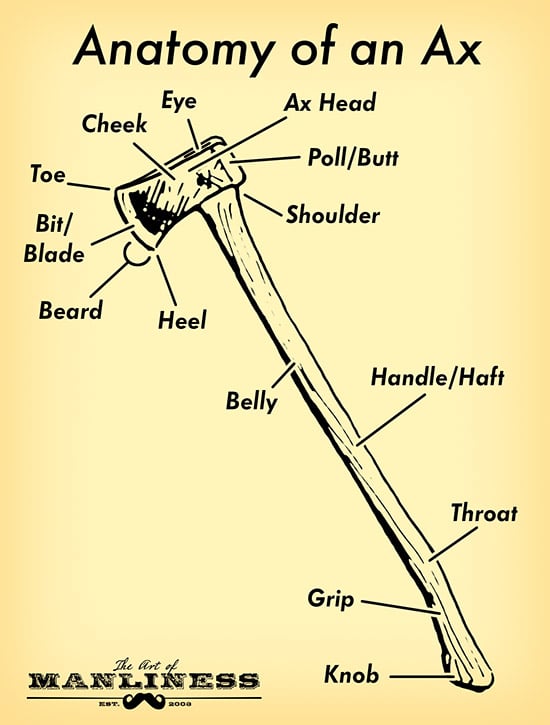
Every axe consists of two main parts: the head and the handle. These components work together to deliver force efficiently to the target material.
Axe Head Structure
The head is the working part of the tool and usually features a blade on one side and a poll (or butt) on the other. The blade is sharpened to cut through wood fibers, while the poll can be used for hammering or splitting. Heads are commonly forged from high-carbon steel for durability and edge retention. Some specialized axes have a slanted or curved blade for specific cutting actions.
Handle (Haft) Design
The handle, traditionally made of wood such as hickory, provides leverage and control. Modern versions may use fiberglass or composite materials for increased strength and resistance to weather. The length of the handle varies depending on the axe’s purpose. Longer handles generate more power for felling trees, while shorter ones offer precision for camping or carving.
Types of Axes Based on Function

Axes are categorized by their intended use, with each type optimized for specific tasks.
Felling Axe for Tree Cutting
Designed for chopping down trees, felling axes have a curved blade and a lightweight head (2–4 lbs) balanced for repeated swinging. The sharp bevel and aggressive bite make quick work of green wood.
Splitting Axe for Firewood
A splitting axe features a wedge-shaped head heavier than a felling axe, built to split logs along the grain. It reduces the risk of the blade getting stuck compared to using a cutting axe.
Hatchet for Camping and Utility
Compact and lightweight, a hatchet fits in a backpack and serves campers well for chopping small branches or driving tent stakes. Many include a hammer poll on the back.
Tactical and Throwing Axes
Used in military or recreational settings, tactical axes are durable and often include additional tools like glass breakers. Throwing axes are balanced equally between head and handle for accurate flight.
Historical Significance of the Axe
The axe is one of humanity’s oldest tools, with origins dating back to the Stone Age.
Prehistoric Stone Axes
Early humans shaped stones into cutting tools and attached them to wooden handles with plant fibers or sinew. These axes were essential for building shelters, hunting, and processing food.
Evolution Through the Ages
The advent of metallurgy brought bronze and later iron axes, increasing efficiency and durability. In the Viking Age, the Dane axe became a feared weapon, while woodworking axes advanced craftsmanship in timber framing.
Cultural and Symbolic Meanings of the Axe
Beyond utility, the axe carries deep symbolic weight in many societies.
Axe as a Symbol of Power
In ancient empires, the axe represented authority and justice. The Roman fasces, a bundle of rods with an axe, symbolized state power and is the origin of the term “fascism.”
Religious and Ceremonial Roles
Some cultures used ceremonial axes in rituals or as burial offerings. The double-headed labrys, associated with Minoan religion, was linked to goddess worship and later adopted in feminist symbolism.
Safety and Proper Use of an Axe
Using an axe requires knowledge and caution to prevent injury and ensure effectiveness.
Safe Swinging Techniques
Always maintain a clear swing zone and secure footing. Use both hands, keep your eyes on the target, and follow through smoothly. Never swing beyond your control zone.
Maintenance Tips for Longevity
Keep the blade sharp with regular honing and strop. Store the axe in a dry place to prevent rust, and occasionally treat wooden handles with linseed oil to avoid cracking.
Common Mistakes to Avoid
- Using a dull axe, which increases effort and risk of slipping
- Swinging too hard instead of focusing on accuracy
- Leaving the axe embedded in wood for long periods, which can damage the head or handle
Modern Innovations in Axe Design
Contemporary manufacturers have improved traditional designs with new materials and ergonomics.
Advanced Handle Materials
Fiberglass and polymer handles resist breaking under stress and reduce vibration. Some include non-slip grips for wet conditions.
Replaceable Blade Systems
Certain models feature modular heads that can be swapped or replaced when worn, extending the tool’s life and reducing waste.
Choosing the Right Axe for Your Needs
Selecting an axe depends on your primary task, frequency of use, and personal strength.
Match Axe Type to Task
For chopping firewood, choose a splitting axe. For trail work, go with a hatchet. Professionals may need specialized axes like carpenter’s or fire axes.
Consider Weight and Balance
A well-balanced axe feels natural in motion. Test the swing if possible. Too heavy strains the user, while too light reduces impact.
Frequently Asked Questions About the Definition of Axe
What is the simple definition of an axe?
An axe is a tool with a sharp blade attached to a handle, used for chopping, splitting, or shaping wood. It works by concentrating force into a cutting edge through a swinging motion.
What are the main parts of an axe?
The two main parts are the head, which contains the sharpened blade, and the handle (also called a haft), which provides leverage and grip during use.
What is the difference between an axe and a hatchet?
A hatchet is a smaller, shorter version of an axe designed for one-handed use. It is ideal for camping, small tasks, and portability, while a full-size axe delivers more power for heavy work.
What materials are axe heads made from?
Most modern axe heads are forged from high-carbon steel for strength and edge retention. Older or specialty axes may use iron, bronze, or stone.
What was the historical purpose of an axe?
Historically, axes were used for building shelters, hunting, processing firewood, crafting tools, and as weapons in warfare. They were central to survival and civilization.
How do you maintain an axe properly?
Keep the blade sharp, store the tool in a dry place, oil the metal head to prevent rust, and treat wooden handles with linseed oil to avoid cracking.
Final Thoughts on the Definition of Axe
The definition of axe goes far beyond a simple cutting tool. It represents thousands of years of human innovation, from primitive stone implements to modern engineered designs. Understanding its parts, types, and safe handling helps you choose the right tool for any job and use it effectively.
If you are buying your first axe, start by identifying your most common task. Match the tool to that purpose, keep it sharp, and respect its power. A well-chosen and well-maintained axe will serve you reliably for decades.