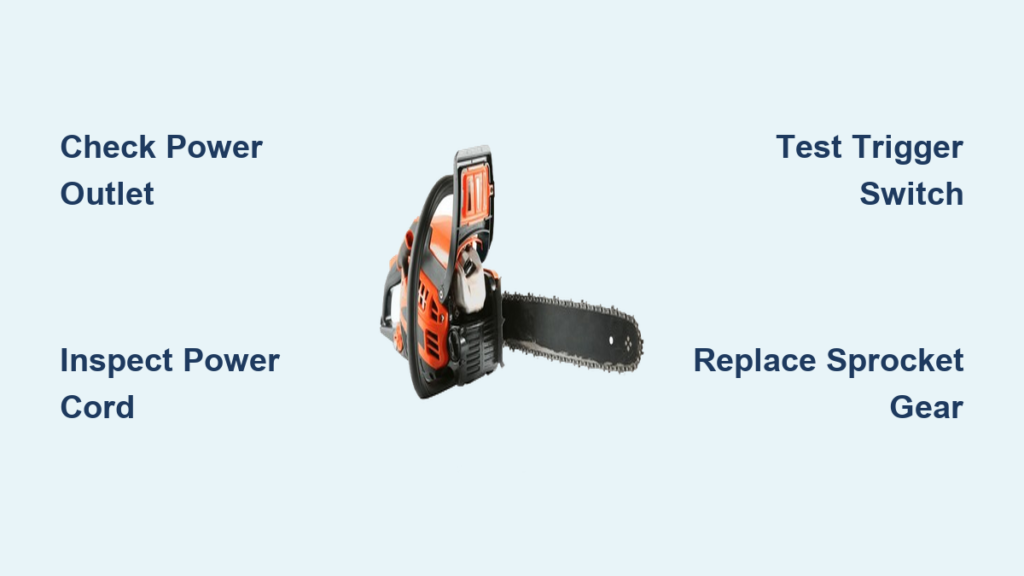
You pull the trigger on your electric chainsaw, ready to tackle that fallen branch—only to hear silence. Or maybe the motor runs, but the chain won’t spin. If you’ve ever been stopped mid-job by a malfunctioning electric chainsaw, you’re not alone. Electric chainsaw troubleshooting is essential for homeowners and DIYers who rely on these tools for quick, clean cuts without the hassle of gas or fumes.
The good news? Most electric chainsaw problems have simple fixes once you know what to look for. Whether it’s a dead motor, a seized chain, or poor cutting performance, the issue usually stems from one of five root causes: power delivery, mechanical failure, lubrication neglect, chain condition, or overheating. This guide walks you through every common symptom, diagnostic test, and repair step so you can get back to work fast.
No Power? Check These First
When your electric chainsaw makes no sound at all when you pull the trigger, the problem lies in the power path. Don’t jump to conclusions. Start with these fast, foolproof checks.
Verify Outlet and Circuit
Even the best tool won’t run without power. Plug a lamp or phone charger into the same outlet to confirm it’s live. If nothing works, check your home’s electrical panel for:
- A tripped circuit breaker
- A triggered GFCI outlet (common in garages and outdoor circuits)
Reset any tripped devices and test again. Electric chainsaws draw 12 to 15 amps, enough to trip weak circuits, especially on older wiring.
Inspect the Power Cord
Damaged cords are a leading cause of power loss. Run your hand along the entire length, looking for:
- Cuts or frays
- Kinks or crushed sections
- Exposed copper wires
- Loose connections at plug or tool end
Perform a wiggle test. With the saw plugged in but not triggered, gently bend the cord near the plug and handle while watching for intermittent power. A flickering light or sputtering motor means internal wire breaks. Replace the cord immediately.
Test the Trigger Switch
Many models have a dual-trigger safety system. You must press a lock-out button and pull the main trigger. Ensure both are fully engaged. If the switch feels stiff or unresponsive, it may be jammed with sawdust or failed internally.
Use a multimeter to test continuity. Set to ohms or continuity mode. Disconnect the saw from power. Access switch terminals and press the trigger while checking for closed circuit. No continuity means replace the switch assembly.
Motor Runs But Chain Won’t Spin
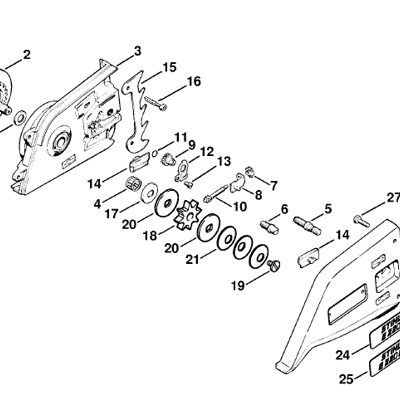
If the motor hums but the chain stays still, your chainsaw’s drive system has failed. The culprit is almost always the nylon or plastic sprocket gear, a designed weak point meant to protect the motor.
Identify Drive Gear Failure
Remove the outer cover by unscrewing 4 to 6 Phillips-head screws. Shift the chain aside if needed. Look at the center drive gear:
- Are teeth stripped or cracked?
- Is the gear loose on the shaft?
- Do you hear grinding or slipping when the motor runs?
Plastic gears wear out faster than metal ones, especially if the chain is too tight or poorly lubricated. Some brands like Remington use nylon gears specifically to fail before the motor does.
Replace the Sprocket Gear
Tools needed: Screwdrivers, nut driver, clean rag, axle grease
Step-by-step replacement:
- Remove chain assembly by unscrewing the two nuts holding the bar and chain.
- Access drive gear by taking off the metal retaining plate (one screw). Slide out the old sprocket.
- Inspect internal parts. Check needle bearings. They should stay in place. Apply grease to hold them. Look for an E-clip securing the pin. If missing, order a replacement.
- Install new gear. Transfer the bearing from old to new gear using a socket or press. Lubricate teeth and bearing race with a thin layer of axle grease or Vaseline. Slide onto drive shaft and reattach retaining plate.
- Reassemble. Reinstall chain, bar, and nuts. Reattach outer shell. Ensure E-clip is seated and wires aren’t pinched.
Cost: $8 to $13 for a replacement gear online. Time: Under 10 minutes once familiar.
Pro Tip: Never over-grease. The excess attracts sawdust and turns into grinding paste.
Chainsaw Stops After Running
Your saw works fine for 30 to 60 minutes, then suddenly quits and won’t restart. This is classic overheating, often preventable with proper use.
Diagnose Thermal Shutdown
Electric chainsaws lack cooling systems like gas models. Continuous cutting generates heat that builds up in the motor windings. Many units have thermal overload protection that cuts power when temperatures spike.
Wait 30 to 60 minutes for the motor to cool. Try restarting. If it runs again briefly, overheating is confirmed.
Prevent Heat Buildup
Common contributors:
- No chain oil. Dry chains create friction, heating the bar and motor.
- Forced cutting. Pushing too hard increases load.
- Long runtime. Exceeding 10 to 15 minute cuts without breaks.
Fix it: Refill the oil reservoir with bar and chain oil only. Never motor oil. Let the saw cool every 10 minutes during heavy use. Use steady, moderate pressure. Let the chain do the work.
Warning: Repeated overheating can burn out motor windings permanently.
Poor Cutting Performance? Check These

Even a running chainsaw can underperform. If you’re struggling to cut or the wood looks ragged, the issue isn’t power. It’s preparation.
Sharpen or Replace the Chain
A dull chain is the number one cause of slow cutting. Signs include:
- Pushing hard for little progress
- Producing sawdust instead of wood chips
- Leaving rough, uneven cuts
Sharpen with a round file. Match file diameter to chain (usually 5/32 inch). File each cutter at 25 to 30 degree angle. Maintain consistent strokes per tooth.
Replace the chain if:
- Teeth are chipped or cracked
- Cutters are worn down to nubs
- Chain pitch no longer matches the bar
Adjust Chain Tension
Too loose causes chain slip or derailment. Too tight strains motor and wears bar.
Correct tension: Chain should move freely by hand. No sag below the guide bar.
Adjustment steps:
- Loosen the two bar nuts.
- Turn the tensioning screw until snug.
- Pull the bar tip up slightly to take slack.
- Retighten nuts securely.
Quick Check: After tightening, tug the chain at the bottom of the bar. It should rotate smoothly but not droop.
Inspect the Guide Bar
A damaged bar ruins cutting efficiency and safety. Look for:
- Warping or twisting
- Deep grooves in the rail
- Worn nose sprocket (if equipped)
- Clogged oil ports
Clean oil channels with a thin wire or compressed air. Rotate single-sided bars regularly to extend life. Replace if bent or excessively worn.
Lubrication System Not Working?
No oil means rapid wear. If your reservoir is full but the chain runs dry, the oiler isn’t delivering.
Test Oil Flow
Run the saw (safely clamped) over a piece of cardboard for 10 seconds. You should see a fine oil trail. No mark means the system is blocked.
Clear Clogged Oil Ports
- Locate the oil exit hole near the bar mount.
- Insert a small wire (like a paperclip) to clear debris.
- Blow out with compressed air if available.
- Refill reservoir and retest.
If still no flow, the oil pump may be failed. Some models allow pump replacement. Others require full gearbox service.
Never substitute oils. Use only bar and chain oil. Motor oil lacks tackifiers and drips off. Used oil contains contaminants.
Prevent Future Failures
Most electric chainsaw repairs are avoidable. Follow this simple routine to extend tool life.
Daily and Weekly Checks
- Check chain tension: Before each use
- Refill oil: Before or during long jobs
- Clean chain and bar: After every use
- Inspect power cord: Weekly or before big cuts
Best Operating Habits
- Limit run time: Cut for 10 to 15 minutes, then rest 5.
- Avoid metal: Hitting nails or dirt dulls the chain fast.
- Store properly: Keep in a dry place. Drain oil for long-term storage.
- Use correct technique: Align saw with cut. Don’t twist or force.
Expert Note: Battery models (20V to 40V) reduce cord hazards and are ideal for light pruning. Corded versions offer unlimited runtime for heavy jobs.
Safety First—Always
Electric chainsaws are safer than gas, but still dangerous.
Required PPE
- Gloves: Cut-resistant with good grip
- Eye protection: Goggles or face shield
- Hearing protection: Electric motors are loud
- Footwear: Steel-toed boots
- Leg protection: Cut-resistant chaps for extended use
Critical Rules
- Unplug before maintenance. Always.
- Never use in rain or wet grass. Risk of shock.
- Secure workpieces to prevent kickback.
- Keep hands clear of the cutting path.
If the saw stops suddenly, release the trigger, unplug, and wait to cool before inspecting.
Model-Specific Tips
Remington Electric Chainsaws
Known for using nylon drive gears that wear out. When replacing, use Vaseline to hold needle bearings in place. Ensure E-clip is fully seated. Replacement gear costs about $13 and saves replacing a $60 unit.
Models with Locking Clips
Some skip the center screw for a plastic locking clip. To remove, use two flat-head screwdrivers. Press both sides inward at the same time. Clip must snap back fully during reassembly.
Common Mistake: Forcing the clip can break it. Apply even pressure.
When to Repair vs. Replace
| Issue | Likely Repairable? | Cost-Saving Tip |
|---|---|---|
| Dead motor or burned windings | No | Replace saw (about $60) |
| Broken power cord | Yes | Replace cord or plug |
| Worn sprocket gear | Yes | $8 to $13 part, 10 min fix |
| Dull chain | Yes | Sharpen or replace ($15) |
| Failed oil pump | Maybe | Depends on model |
Bottom line: If the motor runs and the housing is intact, repair is usually worth it. If the motor is dead, replacement is often more practical.
Frequently Asked Questions About Electric Chainsaw Troubleshooting
Why does my electric chainsaw make no sound when I pull the trigger?
The problem likely lies in the power path. Check that the outlet is live by testing with another device. Inspect your power cord for cuts, frays, or internal breaks. Verify that the safety switch or lock-out button is fully engaged. If these check out, the trigger switch or motor may have failed.
How do I know if my chainsaw’s drive gear is bad?
Remove the outer cover and look at the center sprocket gear. Signs of failure include stripped or cracked teeth, a loose gear on the shaft, or grinding sounds without chain movement. Many electric chainsaws use nylon gears designed to wear out as a sacrificial part.
Why does my chainsaw stop working after about an hour of use?
This is classic overheating. Electric chainsaws lack cooling systems. Continuous cutting builds heat in the motor windings, triggering thermal overload protection. Let the saw cool for 30 to 60 minutes before restarting. Prevent this by letting the saw rest every 10 to 15 minutes.
How often should I sharpen my electric chainsaw chain?
Sharpen or replace the chain every 3 to 5 hours of actual cutting time. Signs you need sharpening include slow cutting, excessive effort required, sawdust instead of wood chips, and rough cuts. Use a 5/32 inch round file at 25 to 30 degree angles.
Can I use motor oil in my electric chainsaw?
Never use motor oil. Only use bar and chain oil specifically designed for chainsaws. Motor oil lacks the tackifiers needed to stay on the chain. It drips off quickly, leaving the chain dry and causing rapid wear. Used oil contains contaminants that clog oil ports.
Key Takeaways for Electric Chainsaw Troubleshooting
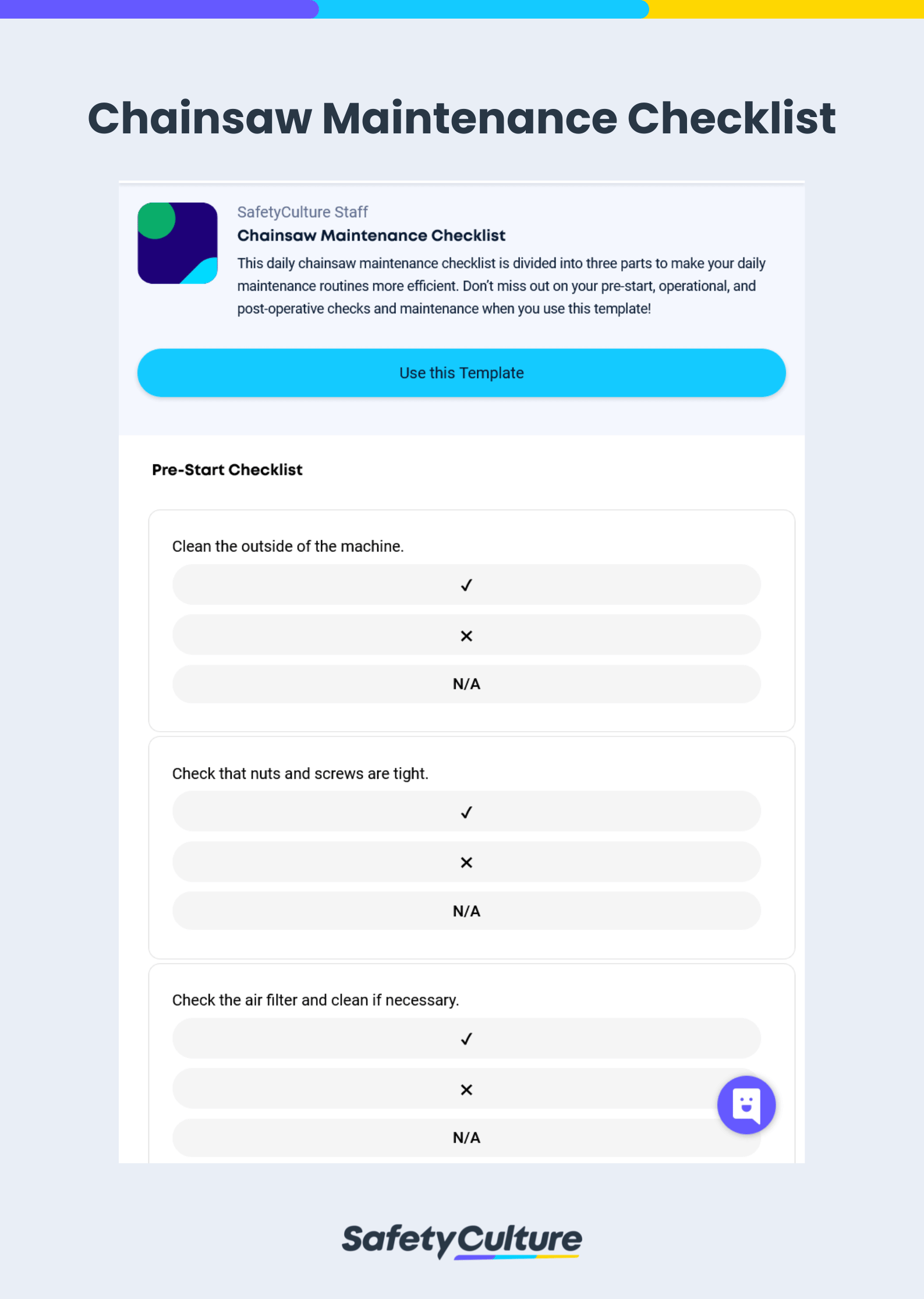
Electric chainsaw troubleshooting doesn’t require a toolbox full of specialty tools. It needs a few basics and the right knowledge. Most failures stem from overlooked maintenance: dry chains, dull teeth, or worn gears.
By checking power, lubrication, and mechanical components in order, you can diagnose 95% of issues quickly. Start with the outlet and cord, then move to the trigger switch. If the motor runs but the chain doesn’t spin, inspect the sprocket gear. For poor cutting, check chain sharpness, tension, and lubrication first.
Keep this guide handy, follow the safety rules, and your electric chainsaw will serve you for years with minimal downtime. Regular maintenance beats emergency repairs every time.