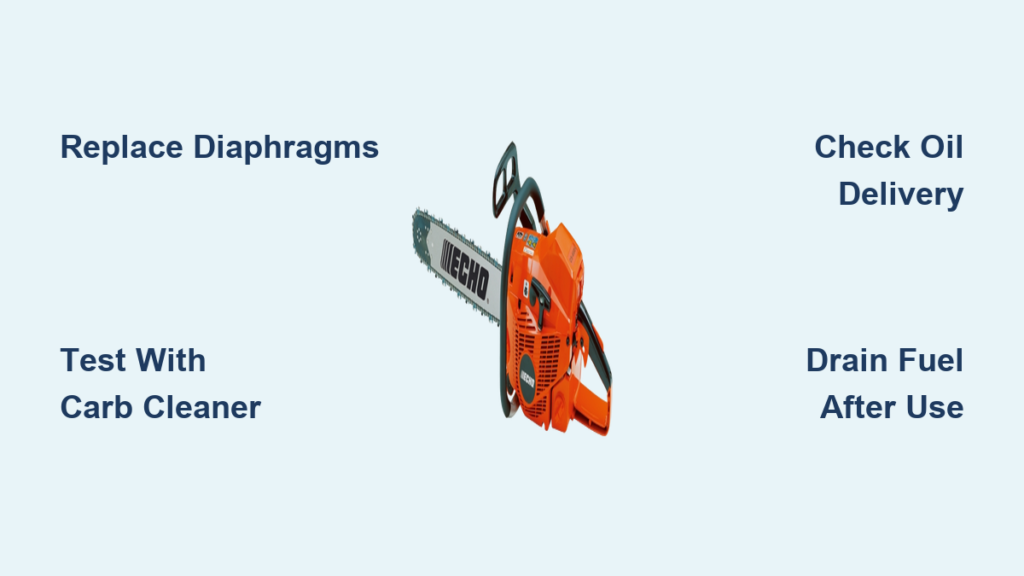
Is your Echo chainsaw refusing to start after sitting in storage? One of the most common Echo chainsaw repair challenges is a no-start condition, especially in older models that have been unused for years. The good news: in many cases, the fix is simpler than you think. Often, it’s not clogged jets or varnished fuel lines causing the problem. It is degraded carburetor diaphragms, a silent killer hidden inside the fuel system.
Even when the carburetor looks spotless, rubber flappers can harden and curl over time, especially when exposed to ethanol-blended fuel. This stops proper fuel delivery, leaving your saw dead despite having fresh gas, a clean air filter, and a working spark plug. In this guide, you will learn how to diagnose and repair the most frequent failure points in Echo chainsaws using a proven, step-by-step method.
Diagnose With a One-Pull Test
Before tearing anything apart, perform a fast diagnostic that separates engine damage from fuel issues.
Perform the Carb Cleaner Start Test
Reinstall the spark plug and turn the on/off switch to on. Fully open the choke and hold the throttle wide open. Spray 2-3 quick bursts of carburetor cleaner into the carburetor intake. Pull the starter rope sharply once.
The results tell you exactly what is wrong:
• Engine sputters or runs briefly: Confirms spark and compression are functional. Focus shifts entirely to the fuel delivery system.
• No response at all: Suggests possible ignition coil failure, sheared flywheel key, or low compression due to piston wear.
This simple test eliminates major mechanical problems in seconds. If the engine fired even once, your focus shifts entirely to the fuel system.
Pro Tip: Never pull more than once during this test. Multiple pulls can flood a sensitive two-stroke engine.
Identify Failed Carburetor Diaphragms
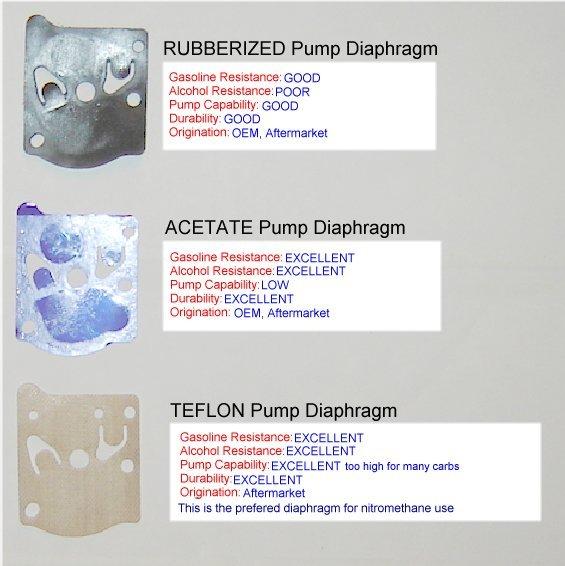
When spark and compression check out, the real culprit is usually inside the carburetor, not in the jets, but in the rubber diaphragms.
Locate the Two Critical Components
Echo chainsaws like the CS-550 EVL use Walbro-type diaphragm carburetors with two essential components:
• Fuel Pump Diaphragm: Pulls fuel from tank and pressurizes bowl. Failure signs include no fuel prime, hard starting, and dry cylinder.
• Metering Diaphragm: Controls fuel flow based on engine vacuum. Failure signs include surging, stalling, and inconsistent idle.
Even if the carburetor appears clean inside, the flapper valves in the fuel pump diaphragm can become brittle and curled after years of ethanol exposure. This prevents proper suction and pressure, starving the engine of fuel.
Visual Clue: Hardened, inflexible flappers that do not bounce back when pressed? Replace them.
You do not need to clean every passage. In tested restorations, no internal cleaning was required. The problem was not debris. It was failed rubber.
Replace Diaphragms in 5 Steps
Replacing both diaphragms restores fuel flow and often brings dead saws back to life without removing jets or disassembling the entire carb.
Remove the Carburetor Safely
Drain remaining fuel and disconnect the fuel line. Mark inlet and outlet if unclear. Unhook throttle linkage and remove two mounting bolts. Lift carburetor free from intake manifold.
Warning: Do not force connections. Use needle-nose pliers gently on stiff fuel lines.
Swap Out Old Diaphragms
Flip carburetor over and remove one screw securing the fuel pump diaphragm cover. Lift off cover and discard old diaphragm and gasket. Remove four screws holding the metering diaphragm cover. Replace with new diaphragm and gasket set.
Key Insight: These kits are inexpensive and widely available. OEM and aftermarket options exist for most Echo models.
Reassemble Without Over-Tightening
Reinstall covers with new gaskets and tighten screws evenly in a cross pattern to prevent warping. Reattach carburetor to engine, reconnect lines and linkage. No soaking, no pickling, no jet removal needed. Just fresh diaphragms.
Set Baseline Carburetor Adjustments
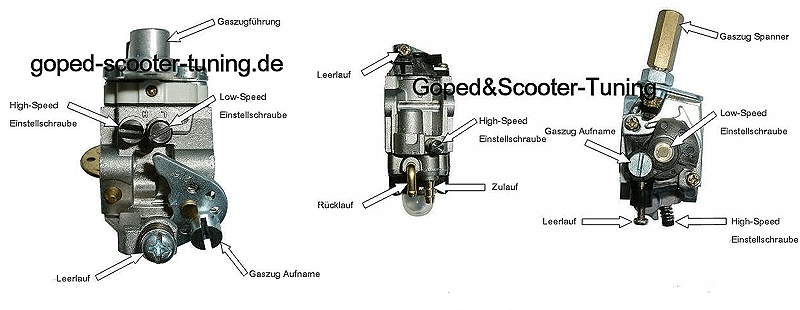
After reassembly, set the air-fuel mixture screws to a safe starting point.
Use the One-Turn Rule
For Walbro HDA or similar carburetors, gently screw both L and H needles clockwise until seated. Back each out exactly one full turn. This creates a slightly rich mixture ideal for initial startup, avoiding lean conditions that can damage a cold two-stroke engine.
Never seat screws tightly. Just finger-tight contact is enough. Over-tightening damages soft brass seats.
Once running, fine-tune by adjusting L screw for smooth idle and quick throttle response. Adjust H screw for full power without overspeeding.
Verify Full Operation Post-Repair
A successful Echo chainsaw repair is not done until all systems are confirmed functional.
Test Engine Performance
Engage choke and pull starter until engine catches. Let warm up 60-90 seconds before disengaging choke.
Check these benchmarks:
• Startup: Starts within 3-5 pulls when cold
• Idle: Steady, no stalling
• Throttle Response: Immediate acceleration
• Max RPM: Reaches 9,000 RPM
• Oil Delivery: Visible oil streak under bar after 30 seconds of operation
If oil is not flowing, check oil tank level, oil line for kinks, and oil pump drive pin engagement.
Cutting Test: After sharpening the chain and wearing PPE, make a test cut. A fully restored saw should cut cleanly.
Prevent Future Failures Early
The best Echo chainsaw repair is the one you never have to do.
Drain Fuel After Every Use
Ethanol attracts moisture and breaks down rubber parts. Always run the saw dry after use or drain the carburetor and tank before storage. Use fuel stabilizer if storing for more than 30 days.
Replace Diaphragms Proactively
Even if your saw runs fine, replace both diaphragms every 5-7 years. Inspect fuel lines and filter during service. Replace if cracked or discolored.
Use Correct Fuel Mix
Mix at 50:1 ratio with air-cooled two-stroke oil. Avoid automotive motor oil. It lacks proper lubricity and can cause ring scuffing.
Find Authorized Echo Service Centers
If you are not comfortable with DIY repairs, ECHO offers a network of Industrial Power Equipment authorized service centers with factory-trained technicians and genuine parts.
Top Service Providers by Region
West and Mountain States:
• C and D Power in Martinez, CA serves Sacramento area. Call 866-468-7697.
• Empire Power Systems has locations in Phoenix, Tucson, AZ, and multiple Nevada cities including Henderson, Sparks, and Elko.
• Wyoming Cat has multiple Wyoming locations. Call 307-686-1500.
Southwest and Texas:
• Total Energy Solutions in Katy, TX offers mobile repair units. Call 281-324-8327.
• Entech in Garland, TX specializes in commercial fleet maintenance. Call 972-840-0715.
Midwest and East Coast:
• CK Power provides multi-state coverage across Phoenix, St. Louis, OKC, and Colorado. Call 817-779-5259.
• Williston Tractor Company in Florida supports Southeast users. Call 352-870-2222.
Canada:
• Westquip serves as the primary Canadian service hub with locations in Acheson, Calgary, and Langley. Call 780-960-5560.
• T and T Power Group in Ontario provides nationwide parts and service. Call 800-221-3432.
Tip: Use the ECHO IPE Dealer Locator at ipecho.com to find the nearest certified technician.
Restore Vintage Models Successfully
Echo chainsaws like the CS-550 EVL have legendary durability. Some still run after 30 years in storage.
Why Older Models Are Worth Repairing
These saws feature simple design with no electronics and no ECUs, just mechanical reliability. Parts are still available including diaphragm kits, gaskets, and chains. Restored units hit 9,000 RPM and cut as efficiently as new. A $20 diaphragm kit beats a $400 replacement saw.
“She is a beauty. Everything works just like it did 31 years ago.” — Post-repair user feedback
Even saws stored since the 1990s can be revived with basic maintenance and a few new rubber parts.
Avoid Common Repair Mistakes
Even experienced DIYers make preventable errors during Echo chainsaw repair.
Do Not Clean What Is Not Dirty
If the carburetor bore and passages are free of varnish, do not soak it. Excessive cleaning can damage delicate diaphragm seats.
Do Not Ignore the Fuel Line
Old lines crack internally, shedding debris. Replace fuel line and in-tank filter every time you open the system.
Do Not Skip the Oil System Check
A dry chain destroys bars in minutes. Confirm oil flow before first cut.
Do Not Use Automotive Oil
Two-stroke air-cooled engines require specialized oil with higher detergent and lubricity. Substitutes increase carbon buildup and engine wear.
Key Takeaways for Fast Echo Chainsaw Repair
When your Echo chainsaw will not start, follow this streamlined path:
• Test for spark and compression using carb cleaner to confirm engine soundness.
• Replace both carburetor diaphragms, the most common failure point in older models.
• Set L and H screws to one turn out for safe startup baseline.
• Verify oil delivery and chain sharpness before cutting.
• Prevent repeat issues by draining fuel and replacing diaphragms every 5-7 years.
For those who prefer professional help, authorized ECHO service centers offer expert diagnostics and OEM parts. This is especially valuable for warranty-covered or fleet equipment.
With the right approach, your Echo chainsaw does not need to be replaced. It just needs a little attention. Once repaired, it will likely outlive the next three models you buy.
Frequently Asked Questions About Echo Chainsaw Repair
Why will my Echo chainsaw not start even with fresh fuel?
The most common cause is degraded carburetor diaphragms, not fuel quality. Even when the carburetor looks clean, rubber flapper valves harden and curl over time, preventing proper fuel delivery.
How do I test if my chainsaw has spark and compression?
Use the carb cleaner start test. Spray 2-3 bursts of carburetor cleaner into the intake and pull the starter once. If the engine fires briefly, you have spark and compression. Focus on the fuel system.
How often should I replace carburetor diaphragms?
Replace both diaphragms every 5-7 years as preventive maintenance, especially if using ethanol-blended fuel. This applies even if the saw runs fine.
Can I repair my Echo chainsaw myself?
Yes. Most repairs involve simple diaphragm replacement that takes under an hour. The diagnostic process uses basic tools, and diaphragm kits are inexpensive and widely available.
What is the correct fuel mix ratio for Echo chainsaws?
Use a 50:1 ratio with air-cooled two-stroke oil. Avoid automotive motor oil as it lacks proper lubricity for two-stroke engines.
Where can I find authorized Echo service centers?
Use the ECHO IPE Dealer Locator at ipecho.com or contact dealers like C and D Power, Empire Power Systems, Total Energy Solutions, or Westquip depending on your region.