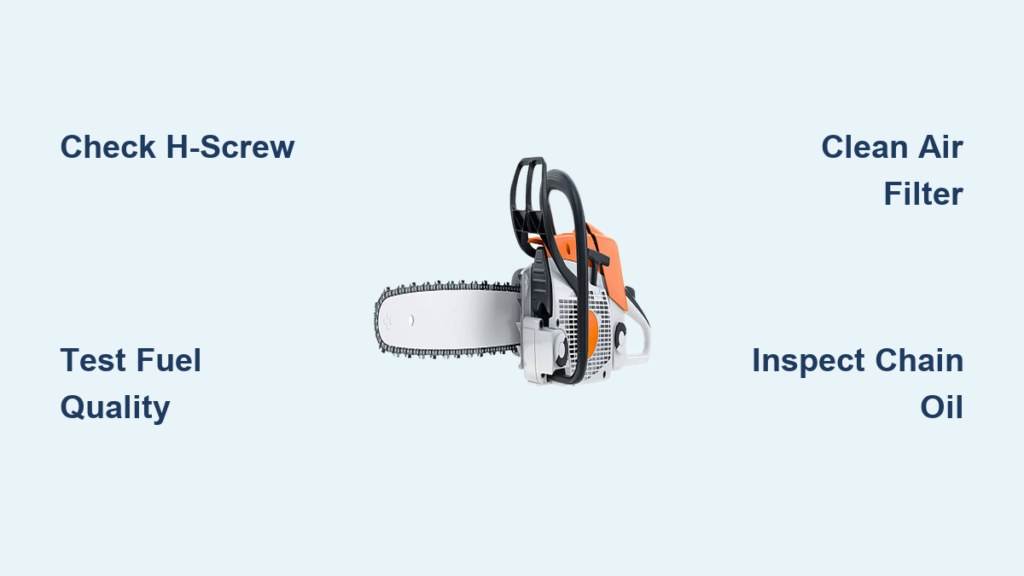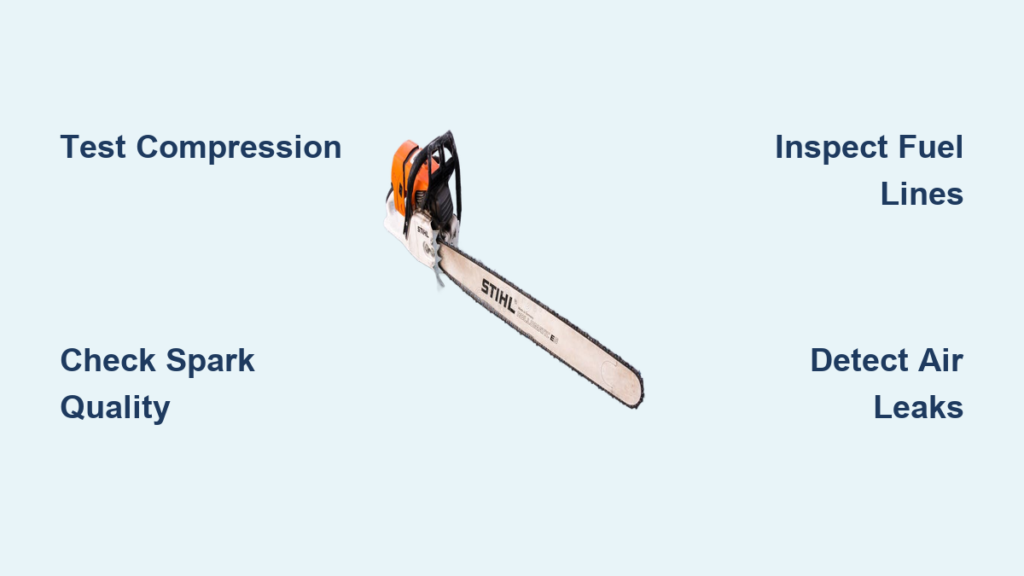
You pull the starter cord and hear the engine roar, yet the chain remains completely still. This frustrating scenario often means your Stihl chainsaw sprocket won’t turn due to a simple safety lock or a mechanical blockage. Most users panic and assume the engine is seized, but the cause is usually far less severe.
This guide helps you diagnose the exact reason your chain is stationary so you can fix it quickly. You will learn how to release an engaged chain brake, clear debris from the nose sprocket, and test your clutch assembly for internal failure without needing expensive tools.
Verify Chain Brake Engagement Immediately
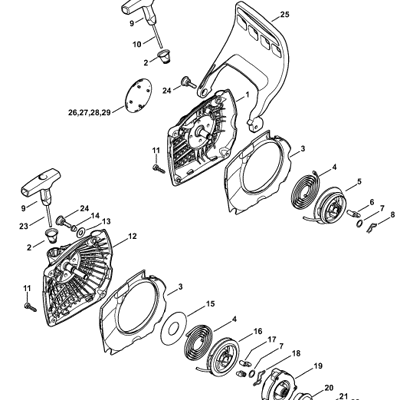
The most common reason a Stihl chainsaw sprocket won’t turn is that the chain brake is accidentally engaged. This safety feature locks the chain to prevent kickback injuries, but it also prevents normal operation if left on. Many infrequent users forget to disengage this lever before starting the saw.
How to Disengage the Handguard Correctly
You must pull the front handguard backward toward the rear handle to release the brake. Listen for a distinct click sound that confirms the mechanism has unlocked. Once you hear this click, try rotating the chain by hand to ensure it moves freely.
- Pull the black handguard firmly toward the rear handle.
- Wait for the audible click indicating release.
- Test chain movement by pulling it along the bar manually.
Pro Tip: On models like the Stihl 028 AV Super, rough handling or minor kickback can engage the brake without you noticing. Always check this lever first before assuming mechanical failure.
Common Mistakes Users Make
Users often mistake the resistance of an engaged brake for a seized engine. They may rev the engine repeatedly, which causes unnecessary wear and potential damage. Another frequent error is failing to pull the handguard back far enough to trigger the release click.
- Forgetting the brake exists on infrequently used saws.
- Partially releasing the lever without hearing the click.
- Assuming the brake is off based on visual inspection alone.
Inspect Guide Bar and Nose Sprocket

If the brake is off and your Stihl chainsaw sprocket won’t turn, the issue likely lies with the guide bar or nose sprocket. Physical trauma or debris accumulation can freeze the sprocket at the tip of the bar. This prevents the chain from circulating even if the engine power is reaching the drive sprocket.
Identify Rail Compression Damage
Heavy impacts or pinching during a cut can compress the guide bar rails. This narrowing causes the metal rails to press against the nose sprocket housing, locking it in place. You can often see the rails touching the sprocket if you look closely at the bar tip.
- Check if the bar rails appear narrower at the tip.
- Look for visible contact between rails and sprocket housing.
- Attempt to rotate the nose sprocket by hand to feel for binding.
Use a flathead screwdriver to gently pry the compressed rails apart if they are touching. If the metal is permanently bent or the sprocket remains frozen, you must replace the guide bar immediately. Running a saw with a pinched bar can damage expensive crankshaft seals.
Clear Pitch and Debris Buildup
Cutting resinous wood like pine often leads to pitch and wood chips clogging the nose sprocket. This sticky buildup hardens over time and acts like glue, stopping the sprocket from spinning. Regular cleaning prevents this common issue from halting your work.
- Remove the guide bar and chain from the saw.
- Scrape hardened pitch from the sprocket cavity with a pick.
- Spray WD-40 or sulfurated thread-cutting oil into the area.
- Let the solvent soak for ten to fifteen minutes.
- Rotate the sprocket by hand to work the parts loose.
Use the Block of Wood Method
For stubborn sprockets stuck due to corrosion or compacted debris, mechanical shock often works best. This method uses impact force to break the bond holding the frozen components together without damaging the bar.
- Hold the bar firmly by the mounting end.
- Strike the nose of the bar against a solid block of wood.
- Repeat this action three to five times with firm force.
- Check if the sprocket spins freely after the impacts.
Test the Clutch Assembly Function
If the chain brake is disengaged and the nose sprocket turns freely by hand, your clutch assembly may be faulty. The clutch transfers engine power to the chain drive sprocket once the engine reaches high RPM. A failure here means the engine runs but no power reaches the chain.
Perform the No-Load Clutch Test
You need to remove the bar and chain to test the clutch directly. Start the saw in a safe area and briefly squeeze the throttle while observing the center hub where the sprocket sits. This test isolates the clutch from the rest of the cutting system.
- Remove the side cover, guide bar, and chain.
- Start the saw while wearing eye protection and gloves.
- Briefly apply throttle and watch the clutch drum.
- Observe if the center hub spins when the engine revs.
If the clutch drum spins during this test, your clutch is working fine. This indicates the problem was likely bar compression or chain binding. If the drum does not spin, the clutch assembly requires replacement.
Diagnose Worn Pads and Rusted Springs
Clutch pads expand outward at high speeds to engage the drum. Worn pads fail to make contact, causing the engine to rev without moving the chain. Similarly, rusted springs on older units can seize in the compressed position, preventing pad expansion entirely.
- Worn Pads: Engine revs high but no power transfer occurs.
- Rusted Springs: Common in stored saws, prevents pad movement.
- Damaged Drum: Cracks or glazing on the drum surface stop engagement.
Replace the entire clutch assembly if you find worn pads or rusted springs. These components are not repairable in the field and are considered wear items.
Rule Out Chain and Oil Issues
Although less common, the chain itself can cause the appearance of a frozen sprocket. Hardened oil or damaged drive links can bind the system, making it seem like the Stihl chainsaw sprocket won’t turn when the real culprit is the chain loop.
Remove Hardened Chain Oil
Old chain oil can oxidize and turn into a sticky substance that glues the chain to the bar. This often happens after long periods of storage without proper cleaning. The hardened oil prevents the drive links from moving through the bar groove.
- Soak the chain in kerosene or a strong degreaser for thirty minutes.
- Scrub the chain thoroughly with a stiff brush.
- Rinse and dry the chain completely before reinstallation.
Verify Drive Link Mobility
Check that the drive links move smoothly along the entire length of the bar. If the chain binds in one specific spot, inspect that section of the bar for damage or debris. A single bent drive link can stop the entire chain from circulating.
- Slide the chain along the bar by hand to feel for binding.
- Inspect drive links for bends or heavy corrosion.
- Ensure chain tension allows slight movement around the bar.
Follow This Diagnostic Decision Tree

Use this logical sequence to identify why your Stihl chainsaw sprocket won’t turn efficiently. Following these steps in order saves time and prevents unnecessary part replacements.
Step-by-Step Troubleshooting Path
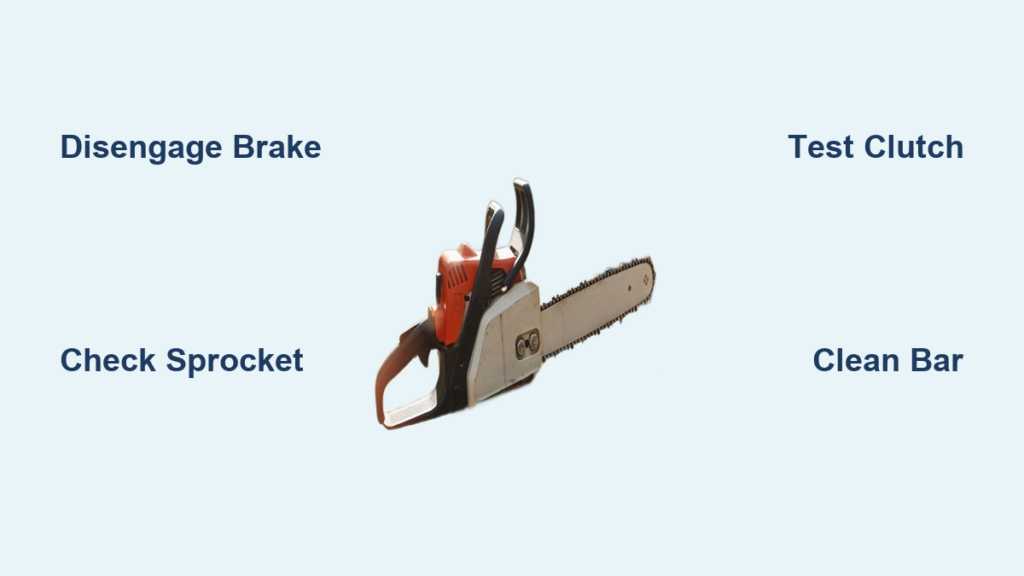
Start by disengaging the chain brake and listening for the click. If the chain still does not move, remove the bar and chain to inspect the nose sprocket. Test the clutch assembly without the bar attached to isolate the power source.
- Disengage Brake: Pull handguard back and listen for the click.
- Inspect Bar: Check nose sprocket rotation and rail alignment.
- Test Clutch: Run saw without bar to see if drum spins.
- Check Chain: Ensure no hardened oil or bent links exist.
If the clutch drum spins without the bar but not with it, the issue is the bar or chain. If the drum does not spin even without the bar, replace the clutch assembly.
Prevent Future Sprocket Failures
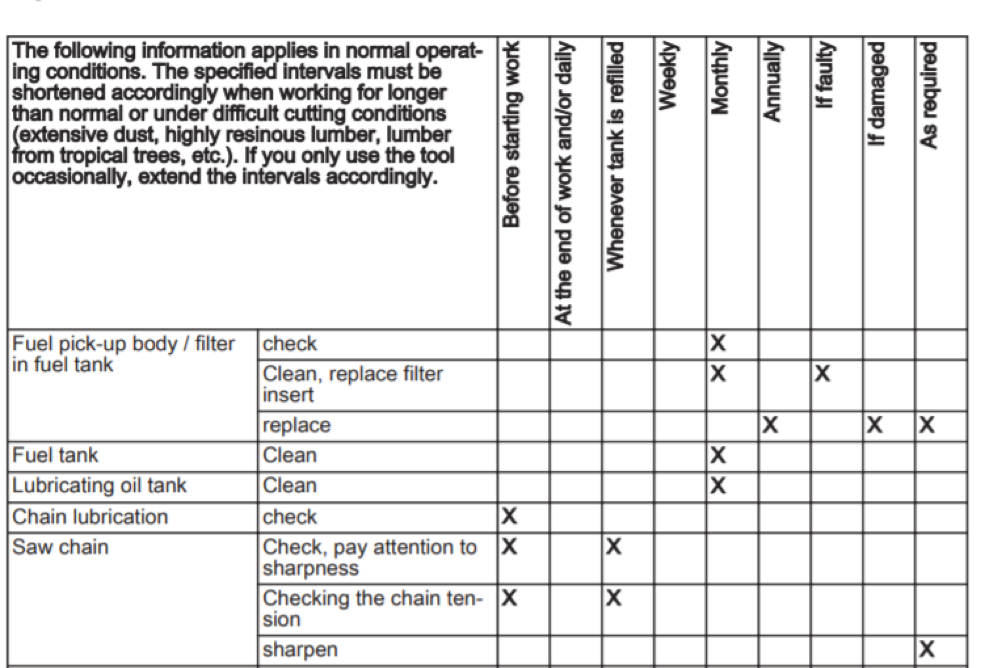
Regular maintenance prevents the conditions that cause a Stihl chainsaw sprocket won’t turn scenario. Keeping your equipment clean and properly lubricated extends the life of both the bar and clutch system.
Essential Maintenance Habits
Clean the guide bar rails and nose sprocket after every use, especially when cutting pine. Store your saw with the chain loose and the bar cleaned of all sap and debris. Using high-quality chain oil reduces the risk of gumming and oxidation.
- Flush bar rails with WD-40 after cutting resinous wood.
- Replace guide bars that show signs of rail compression.
- Store the saw in a dry environment to prevent rust.
When to Replace Components
Guide bars are consumable items and should be replaced when rails deform or the nose sprocket binds. Clutch assemblies should be replaced when pads wear down or springs rust. Never attempt to repair a compressed bar as it risks engine damage.
| Component | Action | Reason |
|---|---|---|
| Guide Bar | Replace | Rails deform permanently and pinch sprockets. |
| Clutch | Replace | Internal wear cannot be fixed in the field. |
| Chain | Clean/Replace | Hardened oil binds the system temporarily. |
Frequently Asked Questions About Stihl Chainsaw Sprockets
Why does my Stihl chain stay still when I pull the throttle?
The most likely cause is an engaged chain brake. Pull the front handguard backward until you hear a click. If the chain still does not move, check for a frozen nose sprocket or worn clutch pads.
How do I know if my chainsaw clutch is bad?
Remove the bar and chain, then start the saw and apply throttle. If the center clutch drum does not spin when the engine revs, the clutch assembly is defective and needs replacement.
Can a pinched guide bar stop the sprocket?
Yes, physical trauma can compress the bar rails, causing them to pinch the nose sprocket. Inspect the bar tip for narrowing rails and pry them open gently or replace the bar if damaged.
What solvent removes pitch from a nose sprocket?
WD-40 works well for pine tar, while sulfurated thread-cutting oil handles heavy industrial buildup. Soak the bar tip for fifteen minutes to dissolve the residue before scrubbing.
Is it worth fixing a compressed guide bar?
No, you should replace a compressed guide bar immediately. Running a saw with a pinched bar can damage crankshaft seals and bearings, which costs much more to repair than a new bar.
Key Takeaways for Fixing Your Stihl Chainsaw Sprocket
A stationary chain on a running Stihl saw usually stems from an engaged chain brake, a frozen nose sprocket, or a failed clutch assembly. Start by pulling the handguard back to ensure the brake is off, then inspect the bar tip for debris or rail compression. If external components are clear, test the clutch by running the saw without the bar attached.
Regular cleaning of the nose sprocket and timely replacement of worn bars prevent most of these issues. By following this diagnostic path, you can avoid unnecessary repairs and get your saw cutting again quickly. If the clutch drum fails to spin during testing, replace the clutch assembly to restore full power to your chain.