A worn chain sprocket can silently sabotage your bike or machinery, leading to poor performance and costly damage. Knowing exactly when to change chain sprocket components is vital for safety and efficiency.
This guide provides data-backed indicators and visual cues to spot wear early. You will learn precise measurement techniques and why replacing parts together saves money long term.
Measure Chain Stretch Before Inspecting Sprockets
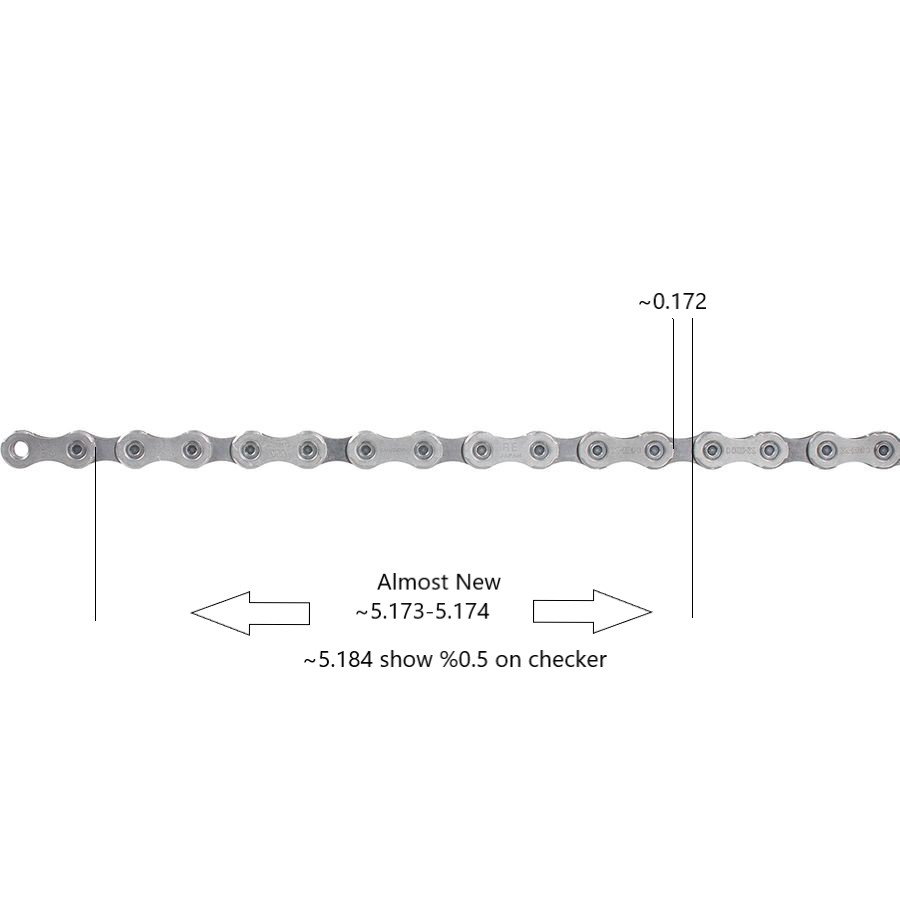
You must assess the chain first because it wears faster than the sprocket. A stretched chain accelerates damage to the sprocket teeth by riding higher on them.
Check for 0.75 Percent Stretch on Bicycles
Replace bicycle chains when they stretch 0.75 percent. This equals a ½ inch elongation over 12 inches of chain length. Use a dedicated chain checker tool or a ruler to measure from pin to pin across multiple links. Replacing the chain at this stage protects your expensive cassette and chainrings from irreversible damage.
Replace Industrial Chains at 3 Percent Elongation
Heavy-duty industrial applications allow for 3 percent elongation before replacement is necessary. Measure using calipers over a 24-inch span or across ten or more links for accuracy. Test several sections because uneven wear can skew your results. Remember that chains do not truly stretch but rather elongate due to pin and bushing wear.
Perform the Motorcycle Pull-Away Test
Motorcycle owners should perform the pull-away test at the rear sprocket. Lift the chain away from the sprocket face while the bike is on a stand. If you can see half a tooth exposed, the chain is worn and needs replacement. A new chain hugs the sprocket tightly with absolutely no visible gap.
Inspect Sprocket Teeth for Specific Wear Patterns

Sprockets degrade gradually even with regular chain changes. You must catch specific geometric changes before they compromise new components.
Identify Hooked or Shark-Fin Tooth Profiles
Worn sprocket teeth develop a hooked or shark-fin profile instead of a smooth shape. This occurs because an elongated chain rides up on the tooth tip and concentrates force on the leading edge. These hooked teeth pluck the chain like a guitar string and cause rapid wear. Replace any sprocket showing sharp or curved tips immediately.
Measure for 10 Percent Tooth Width Loss
The definitive rule is to replace sprockets when tooth width wears down by 10 percent. Use calipers to measure the thickest part of a tooth and compare it to an unworn section. On a 10mm wide tooth, just 1mm of wear means it is time to replace the part. This metric applies across bicycles, motorcycles, and industrial systems.
Check for Flat Valleys Between Teeth
Healthy sprockets have radiused valleys between teeth that match the chain roller shape. As wear progresses, these valleys flatten out and lose their original curvature. A flat or concave valley means the chain no longer seats properly and increases stress. Shine a flashlight across the sprocket to see flat spots where light reflects unevenly.
Diagnose Operational Warning Signs of Failure
Wear is not always visible immediately, but your drivetrain will often signal trouble through sound and feel.
Detect Chain Skipping Under Heavy Load
If the chain skips or slips during hard pedaling or acceleration, the sprocket is likely worn. Hooked teeth cannot hold the chain securely, especially under high torque conditions. Do not assume this is a derailleur issue without inspecting the sprocket first. Skipping risks sudden loss of power and can damage other drivetrain parts quickly.
Listen for Grinding or Rattling Noises
A grinding, clicking, or rattling sound during operation often signals sprocket wear. Motorcycles may produce a rhythmic clatter at certain RPMs while bicycles create a rough metallic hum. These sounds indicate the chain is not rolling smoothly over the teeth. Instead, it is being jerked or plucked by damaged tooth profiles.
Observe Poor Chain Seating on Teeth
Spin the wheel or shaft and watch how the chain engages with the sprocket. If it rides high on the sprocket instead of sitting flush in the teeth, the component is worn. This misalignment increases friction and wear on both the chain and sprocket. On bikes, this can mimic ghost shifting or cause persistent chain rub.
Decide Whether to Replace Chain and Sprocket Together

The decision to replace parts individually or as a set impacts performance, cost, and long-term reliability.
Replace Both for Maximum Performance
Always replace chain and sprockets together if you want maximum efficiency and lifespan. New chains are designed for new sprockets, and matching pitch ensures smooth engagement. This approach prevents accelerated wear and is critical in high-load or precision applications. It eliminates the break-in noise and ensures optimal power transfer immediately.
Reuse Sprockets Only With Caution
Some users replace chains every one or two times before changing sprockets to save money. This only works if sprockets show less than 10 percent wear and no hooking. Reusing worn sprockets forces the new chain to conform to incorrect pitch quickly. You may save money now but lose two chains later, which negates any initial savings.
Never Mix Severely Worn Parts
Never install a new chain on badly worn sprockets and never run a worn chain on new sprockets. A stretched chain will chew up new teeth in hours of operation. Conversely, worn sprockets will destroy a new chain in weeks. Both mismatched pairings lead to poor performance, excessive noise, and serious safety risks.
Follow a Professional Inspection Routine

Regular checks catch problems early and significantly extend the life of your entire drivetrain system.
Inspect Every 1000 to 2000 Miles
For bikes and motorcycles, inspect every 1,000 to 2,000 miles of operation. In muddy, wet, or dusty conditions, you must check more often. Industrial systems should follow manufacturer schedules, typically every 50 to 100 operating hours under heavy load. Consistent monitoring prevents catastrophic failure during critical operations.
Use the Right Tools for Accuracy
- Chain checker tool: Essential for bikes to detect 0.75 percent stretch accurately.
- Calipers: Required to measure tooth width and chain pitch precisely.
- Flashlight and gloves: Necessary to inspect teeth closely while spinning the wheel slowly.
- Wear marking: Mark the starting wear point on industrial sprockets to track degradation.
Check Related Drivetrain Components
When replacing chain and sprocket, inspect these related parts:
* Chain sliders and guides, especially on off-road motorcycles.
* Cush drive dampers in rear hubs if they are cracked or hardened.
* Chain tension to ensure it matches manual specifications exactly.
Prevent Premature Wear With Proper Care
Smart habits and regular maintenance extend the life of every drivetrain component significantly.
Clean and Lubricate Regularly
Dirt and grime act as abrasives that accelerate wear on metal surfaces. Clean the chain weekly or after muddy rides to remove debris. Lube every 100 to 200 miles using wet lube for wet conditions and dry lube for dusty environments. Wipe off excess lubricant to avoid attracting more dirt.
Maintain Correct Chain Tension
Improper tension causes uneven wear across the entire system. A loose chain skips and slaps, damaging sprocket teeth over time. A tight chain increases friction and load on bearings and other components. Check tension monthly or after rides with heavy suspension use to ensure safety.
Upgrade to O-Ring Chains
For motorcycles, O-ring chains last two to three times longer than standard chains. Internal seals retain lubrication and block contaminants from entering pin and bushing areas. Though more expensive upfront, they reduce long-term costs and maintenance frequency effectively.
Know Your Chain Size and Fit Specifications

Using the wrong chain size can destroy sprockets fast and cause immediate failure.
Match Chain to Sprocket Width Exactly
Chain size codes like 520, 525, or 530 indicate pitch and width specifications. The first digit indicates pitch in eighths of an inch while the second indicates width. Never mix widths because a 525 chain will not fit a 530 sprocket correctly. Mismatched widths cause misalignment, rapid wear, and potential mechanical failure.
Consider Gear Ratio Changes
Replacing sprockets offers a chance to adjust gearing for better performance. Use a smaller front or larger rear sprocket for more acceleration. Choose a larger front or smaller rear sprocket for lower RPM and highway comfort. Even one tooth change alters ride feel, so plan your modifications accordingly.
Frequently Asked Questions About Chain Sprocket Replacement
How often should I replace my bike chain and sprocket?
You should replace bicycle chains at 0.75 percent stretch and inspect sprockets every 1,000 to 2,000 miles. Sprockets typically last through two or three chains if you maintain proper tension and lubrication. Replace sprockets immediately if teeth show hooking or 10 percent width loss.
Can I replace just the chain without changing the sprocket?
You can reuse sprockets only if they show less than 10 percent wear and no hooked teeth. Installing a new chain on worn sprockets causes the new chain to stretch faster than normal. This practice often negates cost savings by requiring more frequent chain replacements.
What does a worn sprocket tooth look like?
Worn teeth develop a hooked, shark-fin profile instead of a smooth, rounded shape. The valleys between teeth become flat rather than maintaining their original radiused curve. These visual cues indicate the sprocket can no longer engage the chain properly.
Why does my new chain skip on the old sprocket?
Skipping occurs because worn sprocket teeth cannot hold the new chain securely under load. The pitch of the new chain does not match the worn spacing of the old sprocket teeth. This mismatch causes the chain to ride up and slip off the teeth during acceleration.
Does chain stretch actually happen?
Chains do not elastically stretch like rubber but elongate due to pin and bushing wear. Friction causes these internal components to wear down, increasing the distance between pins. This elongation creates a pitch mismatch with the sprocket teeth and accelerates overall wear.
Key Takeaways for Knowing When to Change Chain Sprocket
Timing your replacement correctly prevents damage to your entire drivetrain system. Always measure chain stretch and inspect tooth geometry before deciding to replace parts.
Replace chains at 0.75 percent stretch for bikes and 3 percent for industrial uses. Change sprockets when teeth show 10 percent wear or hooked profiles to ensure safety.
Take action today by measuring your current chain stretch and inspecting your sprocket teeth. Regular maintenance and timely replacement save money and keep your equipment running smoothly.