If your chainsaw is getting hot, you are not just losing efficiency. You are risking catastrophic engine damage that can destroy a $300 tool in minutes. Overheating leads to seized pistons, warped cylinders, and clutch failure when left unchecked. The good news is that most causes are preventable and easy to fix with basic maintenance. This guide breaks down exactly why chainsaws overheat, how to diagnose the issue in under 10 minutes, and what steps to take right now to protect your tool. You will learn how to check oil flow, clean clogged components, adjust your carburetor safely, and avoid the top mistakes that cook engines.
Check Chain and Bar Lubrication First
A dry chain dragging across a hot bar is one of the fastest ways to generate dangerous heat. Without proper lubrication, friction spikes at the tip and along the rail, causing smoking, discoloration, and melting. This is often the primary reason your chainsaw is getting hot during use.
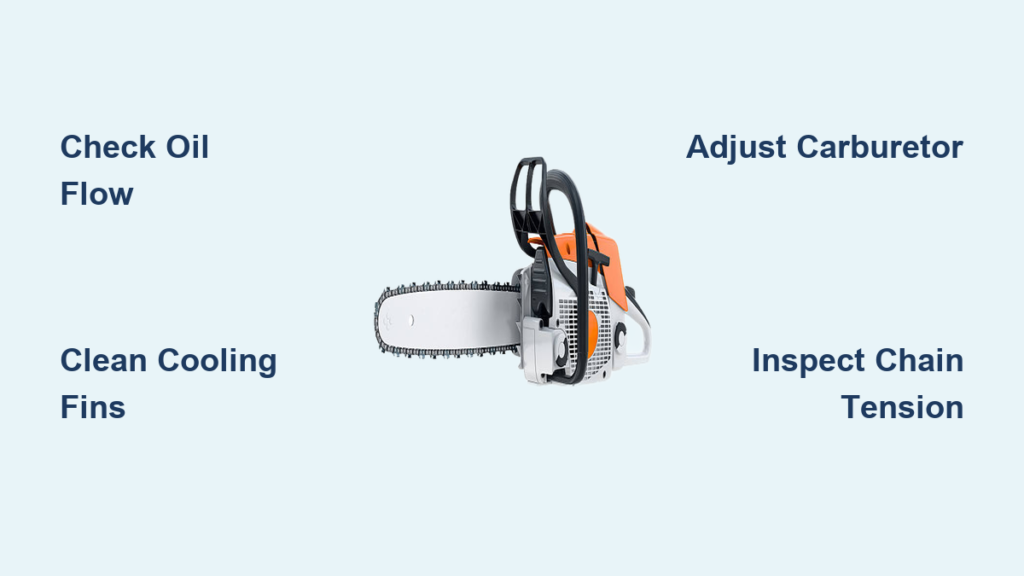
Test Oil Flow in 30 Seconds
Hold the chainsaw tip near a piece of cardboard or scrap wood while running at medium speed. You should see a thin, steady line of oil flung from the chain. If you do not see oil flow, take these steps:
Refill the oil reservoir if it is low
Inspect the oil line for kinks or blockages
Clear the oil port with a small wire or pin
Clean the bar groove of sawdust and pitch buildup
Pro Tip: Use high-adhesion bar oil designed for chainsaws. Never substitute motor oil, which lacks tackifiers and burns off fast under load.
Adjust or Replace Faulty Oil Pump
If oil still does not flow after clearing blockages, the pump may be stuck or misaligned. Remove the bar and chain, then spin the pump drive shaft by hand to check if it turns freely. Inspect the oil outlet for debris and confirm the pump lever is engaged with the adjustment screw. Replace the pump if damaged or worn, then reassemble and retest oil flow before use.
Clean Clogged Cooling Fins Immediately
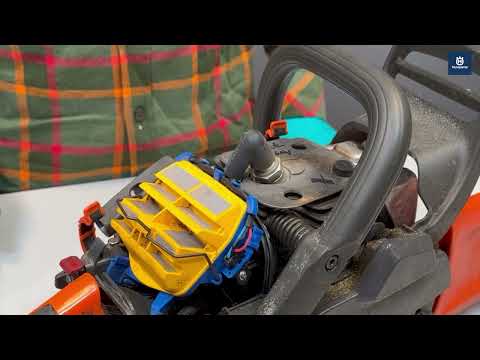
Overheating often stems from dirt-packed cooling fins on the cylinder. These fins rely on airflow to dissipate heat. When clogged with sawdust and resin, they act like an oven around the engine, causing your chainsaw to get hot even during light use.
Quick Fin Cleaning Procedure
Let the saw cool completely before starting. Remove the cylinder cover using a screwdriver or socket. Blast debris with compressed air, then use a soft wire brush for stubborn grime while avoiding bending the fins. Wipe down with carb cleaner if sap or oil residue remains. Reinstall the cover securely when finished.
Warning: A fully clogged fin pack can cause piston seizure in under 15 minutes of operation.
Prevent Buildup After Every Use
Make it a habit to clean the cooling fins after each session, especially during heavy-duty cutting or winter use. A clean shroud keeps the engine within safe thermal range and prevents your chainsaw from getting hot unexpectedly.
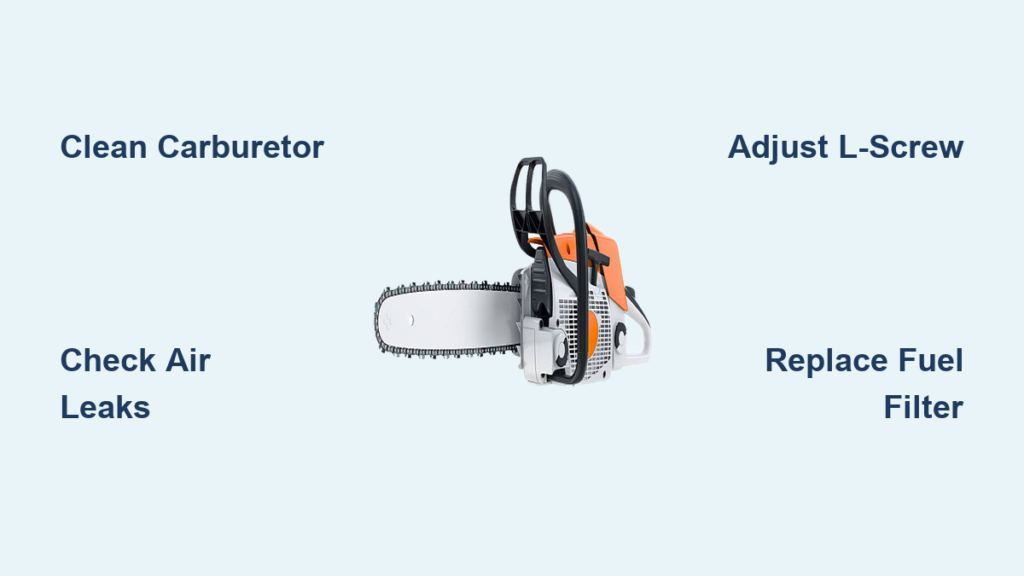
Diagnose Lean Fuel Mixture

A lean-running engine burns hotter than any other condition. Too much air and not enough fuel spikes combustion temperatures, leading to melted pistons and white spark plugs. This is a serious cause of chainsaw getting hot that requires immediate attention.
Spot Lean Symptoms Fast
Listen for these warning signs:
A high-pitched scream at full throttle with no load
Power loss when cutting
Difficulty restarting when hot
Little or no exhaust smoke
White or bleached spark plug insulator
These signs point to a lean carburetor setting, usually the H screw turned too far in.
Adjust H Screw Safely
Warm up the chainsaw to operating temperature first. Run at full throttle with no load. Slowly turn the H screw counter-clockwise until RPM drops, then turn it clockwise until RPM stumbles again. Set the screw midway between those two points, then richen slightly by turning out an additional 1/8 turn.
| Screw Direction | Effect |
|---|---|
| Turn out (CCW) | Richer, cooler running |
| Turn in (CW) | Leaner, hotter running |
Goal: A slight four-stroking burble at wide open throttle that clears when cutting. This ensures safe cooling and prevents your chainsaw from getting hot.
Inspect and Clean Air Filter
A clogged air filter chokes airflow, disrupting the fuel-air balance and increasing engine temperature. This is a common reason chainsaw getting hot that many users overlook.
Clean or Replace Filter Now
Remove the air filter cover and pull out the filter carefully. Tap out loose debris or blow clean with compressed air. Replace the filter if torn, oil-soaked, or heavily packed. Reinstall with a light coat of air filter oil, not dripping wet.
Replace Every 5 to 10 Hours
In dusty conditions, change the filter every few uses. A clean filter ensures proper combustion and prevents carbon buildup that traps heat, keeping your chainsaw from getting hot during operation.
Clear Spark Arrestor and Muffler
A blocked spark arrestor traps hot exhaust gases, raising internal engine temperatures and reducing cooling efficiency. This can cause your chainsaw to get hot even when other systems are working properly.
Remove Carbon Buildup
Take off the muffler cover and locate the spark arrestor screen inside. Scrub with a wire brush or pipe cleaner. Replace the screen if damaged or cannot be cleaned. Check the muffler interior for soot and clean gently if needed.
Rule: Clean every 25 to 50 hours or once per season.
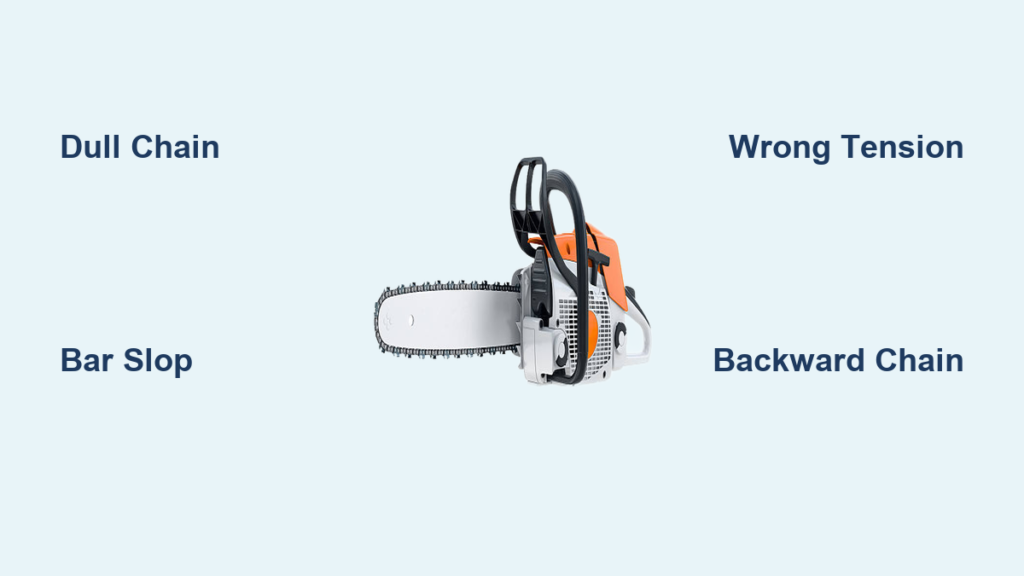
Check Chain Tension
Too tight, and the chain drags against the bar, generating excess heat and wearing out components. This adds to the reasons your chainsaw gets hot during use.
Set Proper Slack
With the saw off, pull the chain away from the bar midway. It should lift slightly but snap back into place. Adjust the tension screw under the bar cover if needed, then retighten bar nuts securely.
Never over-tighten. Recheck tension after the first few minutes of use, as new chains stretch fast.
Replace Faulty Spark Plug
A bad spark plug causes misfires and incomplete combustion, increasing heat. This contributes to chainsaw getting hot and should be checked early in troubleshooting.
Inspect Plug Color
Remove and check the insulator. Tan or light brown indicates good condition. White or bleached means too lean and overheating. Black and sooty indicates too rich. Wet with fuel or oil means fouled. Replace every 25 to 50 hours or at season start.
Test Ignition Coil If Problem Persists
Use a multimeter to measure resistance between primary and spark plug terminals. Compare to manual specifications, typically 2,500 to 5,000 ohms. Replace the coil if out of range.
Sharpen or Replace Dull Chain
A dull chain forces the engine to work harder, increasing load and heat. This is one of the most overlooked causes of chainsaw getting hot during normal use.
Know When to Sharpen
Signs of dullness include needing to push the saw to cut, producing fine sawdust instead of chips, and pitch buildup on cutter heels. Sharpen immediately or swap in a pre-sharpened spare.
Pro Move: Rotate chains during long jobs to keep cutting smooth and reduce strain on the engine.
Avoid Over-Barring
Using a bar longer than your saw rating overloads the engine. This forces the engine to run hot under sustained load and is a common mistake that causes chainsaw getting hot problems.
Match Bar to Engine Size
Follow these general guidelines:
35cc saw: max 16 to 18 inch bar
50cc plus saw: up to 20 to 24 inch bar
Never exceed the manufacturer is maximum bar length.
Follow Smart Operating Habits
Even a well-maintained saw can overheat with poor use. Smart operation prevents chainsaw getting hot issues before they start.
Warm Up and Cool Down
Warm up by idling 60 to 90 seconds before cutting. Cool down by idling 30 to 60 seconds before shutdown. This allows oil to circulate and heat to dissipate properly.
Limit Wide Open Throttle
Run at 8,000 to 10,000 RPM only when cutting. Avoid unnecessary revving that heats the engine without doing productive work.
Fast Diagnostic Flowchart
Cannot find the cause? Run this 5-minute check:
Bar smoking: Check oil flow and chain tension
Engine too hot: Clean cooling fins and air filter
Hard to restart when hot: Test fuel lines, carburetor, and ignition coil
Loss of power: Check fuel mix, spark plug, and exhaust blockage
Strange sounds: Inspect chain sharpness, bar wear, and clutch
Fix one item at a time. Most issues resolve in under 20 minutes.
Prevent Overheating: Maintenance Checklist
Stay ahead of heat issues with this routine:
Clean cooling fins after every use
Check bar oil level before each use
Inspect chain tension before each use
Clean or replace air filter every 5 to 10 hours
Clean spark arrestor every 25 to 50 hours
Check fuel mix before each use
Replace spark plug every 25 to 50 hours
Flip bar every chain sharpening
Inspect fuel lines every 25 hours
Stop Before Damage Occurs
If you see any of these red flags, shut down immediately:
Blue or discolored piston
Stuck piston rings
Metal shavings in oil
Engine seizes mid-cut
Boiling oil in reservoir
Melted spark plug
These mean serious overheating has already occurred. Continued use will destroy the engine.
Frequently Asked Questions About Chainsaw Getting Hot
Why does my chainsaw get hot during normal use?
Your chainsaw gets hot due to insufficient lubrication, clogged cooling fins, a lean fuel mixture, or a dull chain. These conditions increase friction and force the engine to work harder, generating excess heat.
How do I know if my chainsaw is overheating?
Signs include smoking from the bar tip, a burning smell, white or bleached spark plugs, loss of power, and difficulty restarting when hot. Blue discoloration on the piston indicates severe overheating.
Can I use my chainsaw if it is getting hot?
No. Continuing to use a hot chainsaw risks catastrophic engine damage including piston seizure, cylinder warping, and clutch failure. Stop immediately and troubleshoot the cause.
How often should I clean cooling fins?
Clean cooling fins after every use, especially after heavy cutting or in dusty conditions. Regular cleaning prevents heat buildup and extends engine life.
What is the best fuel mix to prevent overheating?
Use a 50:1 gas-to-oil ratio with FD-rated 2-stroke oil. Always use fresh fuel, preferably ethanol-free, as stale fuel causes poor combustion and increased operating temperatures.
Why does my chainsaw only get hot when cutting?
Cutting puts maximum load on the engine. If your chain is dull, chain lubrication is failing, or the carburetor is lean, the added load causes temperatures to spike. Check these systems when your chainsaw gets hot only during use.
Key Takeaways for Preventing Chainsaw Overheating

A hot chainsaw is not normal operation. It is a warning sign that something is wrong with lubrication, cooling, fuel, or air intake systems. The most common causes are dry chain and bar, clogged cooling fins, lean fuel mixture, and dull chains. All of these are preventable with regular maintenance.
Always use fresh fuel with the correct oil ratio, keep cooling fins clean after every use, and maintain a sharp chain. Run the carburetor slightly rich rather than lean, and allow the saw to warm up and cool down properly. Taking these simple steps keeps your chainsaw running cool, strong, and ready for any job.