If your chainsaw revs up and down on its own, especially under load or at full throttle, you are dealing with a serious performance issue. This surging behavior, where the engine rapidly cycles between high and low RPM without rider input, is not normal and often signals an unstable air-fuel mixture or mechanical failure. Left unaddressed, it can lead to engine damage, especially due to lean running conditions. In this guide, you will learn how to diagnose and fix every possible cause, step by step.
Identify the Surge Pattern
Before tearing anything apart, observe how your chainsaw behaves. The pattern of surging can point directly to the root cause.
Full Throttle Surging Only
If the engine runs smoothly at idle and mid-throttle but begins to surge at full throttle, suspect fuel starvation or air leaks. At high RPM, demand for fuel increases. If the supply is restricted or extra air is sneaking in, the engine runs lean and surges.
Likely causes include:
• Clogged fuel filter
• Spongy fuel lines
• Cracked impulse hose
• Crankshaft seal leak
Pro tip: If you had to turn the H (high-speed) jet more than 1 to 1.5 turns out to stabilize it, you are likely compensating for a lean condition.
Idle Surges or Won’t Stabilize
When the engine revs up and down at idle or won’t stay idling after throttle release, the problem often lies in the idle circuit or throttle return mechanism.
Check for:
• Clogged idle jet
• Misadjusted T-screw
• Broken torsion spring on the carburetor throttle lever
Visual clue: If adjusting the LA (low air) or idle speed screw does nothing, the idle circuit may be blocked or the throttle is not closing fully.
Surge When Tilting the Saw
If the engine surges only when you lift or lower the saw, this is a red flag for mechanical throttle linkage failure.
Real case: A Stihl MS211 owner found a broken torsion spring on the carburetor throttle lever. Without spring tension, the throttle did not return fully, causing idle instability when gravity shifted the linkage. Fix: Replace the tiny spring. It costs under $5 and takes 10 minutes.
Rule Out Fuel Delivery Issues

Inconsistent fuel flow is a top cause of surging. Even if the carburetor looks clean, fuel must reach it steadily under all operating conditions.
Check the Fuel Filter and Lines
Start here. These are easy to inspect and often overlooked.
Fuel filter: Remove and inspect. A clogged or degraded filter restricts flow. Replace every 10 to 20 hours.
Fuel lines: Squeeze the pickup line inside the tank. If it feels spongy or soft, it is likely collapsing under suction during high RPM operation.
Oakie warns: “Fuel lines go spongy over time due to fuel softening them. They will close when suction is applied and starve the engine.”
Quick test: Loosen the fuel cap while the engine is running. If performance improves, the tank vent is blocked, creating vacuum lock.
Inspect the Carburetor Inlet Screen
This small metal mesh screen sits where the fuel line enters the carburetor. Debris here can starve the engine at high speed.
How to clean: Disconnect fuel line, remove screen with tweezers, soak in carb cleaner, blow dry with compressed air. Never skip this step. A clogged inlet screen mimics carburetor clog or fuel pump failure.
Test the Impulse Line
The impulse line is a small vacuum hose from crankcase to carburetor that powers the diaphragm fuel pump. If cracked or loose, fuel delivery becomes erratic.
Location: Runs from engine block to carburetor (not always visible). Test: Replace if brittle or cracked. Use OEM-spec fuel-resistant tubing.
Diagnose Air Leaks
Unmetered air entering the engine disrupts the air-fuel ratio, causing surging, hard starts, and overheating. Air leaks are especially dangerous because they make the engine run lean, which can destroy the piston in minutes.
Common Leak Points
• Crankshaft seals (front and rear): Degrade with age and fuel exposure. Leaks here often worsen when the saw is tilted.
• Intake boot/gasket: Connects carburetor to cylinder. Cracks or looseness allow air in.
• Carburetor mounting insulator: Rubber or plastic gasket that can crack or shrink.
• Crankcase joints: Cracks between engine halves or around mounting points.
• Impulse port hose: Small but critical. Loss of vacuum disrupts fuel pumping.
Bob Hedgecutter notes: “If you had to turn the H jet a full turn out from normal, there is a very good chance you are tuning out an air leak. The saw will be dead in a few tanks of gas.”
Perform the Soapy Water Test
Best for detecting slow leaks.
- Start the engine and let it idle.
- Spray soapy water (dish soap plus water) around carburetor base, intake boot, crankshaft seal areas, and case joints.
- Watch for bubbles. They confirm an air leak.
Use the Solvent Test with Caution
More sensitive than soapy water but flammable.
- Spray WD-40 or carb cleaner in short bursts near suspected areas.
- If the engine speeds up or stalls, it is sucking in the liquid. This is proof of a leak.
- Safety first: Have a fire extinguisher nearby. Do not spray near hot muffler.
Pressure Test the Crankcase
For a conclusive diagnosis, use a crankcase pressure tester.
- Attach to impulse port or designated test port.
- Pressurize to 5 to 10 psi.
- Hold for 30 seconds. No pressure drop should occur.
- If pressure falls, you have an air leak. Time to replace seals or repair case.
Warning: Never run a chainsaw with a known air leak. Lean conditions cause rapid overheating and piston seizure.
Inspect the Carburetor
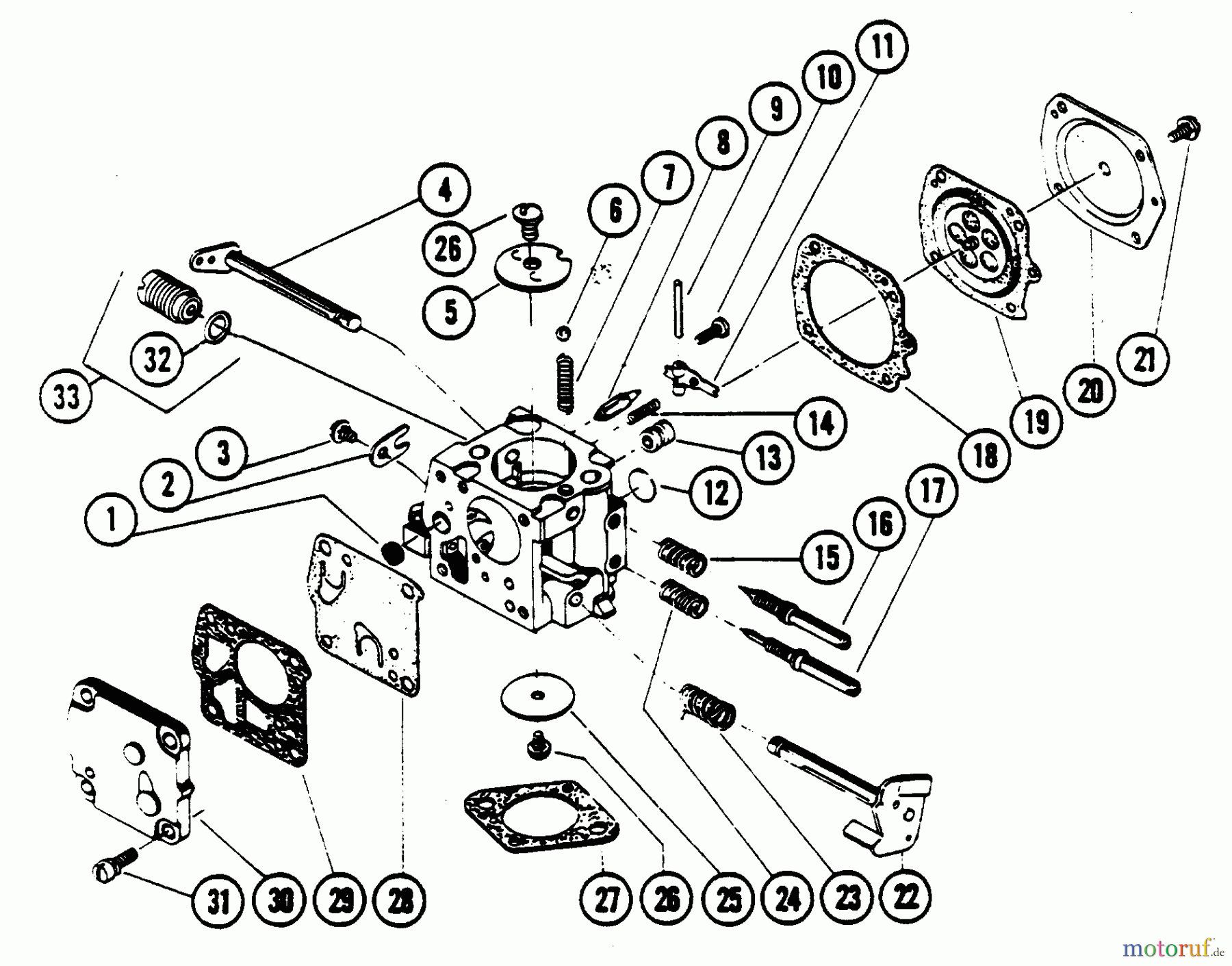
Even a clean-looking carburetor can cause surging due to internal wear or clogs in tiny passages.
Clean All Jets and Passages
Remove the carburetor and disassemble it fully.
• Soak in carburetor cleaner overnight if varnished from old fuel.
• Use compressed air to blow out the H (high-speed) jet, L (low-speed) jet, idle circuit, and main fuel passage.
• Do not use wire. It can damage brass jets.
Replace Diaphragms and Gaskets
Over time, diaphragms harden, crack, or lose flexibility, especially in saws stored with old fuel.
• Fuel pump diaphragm: Ensures steady fuel flow.
• Metering diaphragm: Regulates fuel delivery based on engine vacuum.
• Replace all O-rings and gaskets during reassembly.
Pro tip: Use a carb rebuild kit (costs $10 to $15). It includes all diaphragms, needles, seats, and gaskets.
Check Needle Valve and Seat
A worn needle valve allows fuel to leak or flow inconsistently.
Inspect for pitting or debris. Replace if the tip is worn or does not seal.
Examine Throttle and Idle Mechanism
Mechanical failures here are often missed. They can look exactly like carburetor or air leak issues.
Inspect the Torsion Spring
This tiny spring on the carburetor throttle lever ensures the throttle closes completely.
Symptom: Idle speed screw (LA or T) has no effect. Cause: Broken or dislocated spring. Fix: Replace the spring (available from OEM or hardware stores). Takes 5 minutes.
MartDalb fixed his Stihl MS211 this way: After replacing the torsion spring, the surging when tilting the saw disappeared completely.
Verify Throttle Return
With the engine off, snap the throttle trigger and watch the carburetor linkage.
It should snap back fully to the idle position. If it sticks or returns slowly, check for stiff cable, obstructed lever, or missing or weak spring.
Check Spark Arrestor and Exhaust
A clogged spark arrestor restricts exhaust flow, causing power loss and erratic running.
Remove and Inspect Muffler
- Unscrew muffler bolts.
- Pull out the spark arrestor screen (metal mesh inside).
- Check for carbon buildup or blockage.
Clean or Replace Screen
Use a wire brush or soak in carb cleaner. For severe buildup, replace the screen (costs $5 to $10). Reinstall with new gasket to prevent exhaust leaks.
Oakie reminds us: “Is the spark screen clean or all blocked up with soot? They need to be cleaned from time to time.”
Bonus check: Look into the exhaust port. If you see piston scoring, the engine has already been damaged by overheating, likely from lean running.
Rule Out Other Common Factors
Do not overlook the basics. These small issues can trigger big symptoms.
Old or Contaminated Fuel
Ethanol-blended fuel degrades in 30 days, leaving varnish in the carburetor.
Fix: Drain old fuel. Refill with fresh, ethanol-free gas mixed with quality 2-cycle oil. Prevent: Add fuel stabilizer if storing for more than 30 days.
Clogged Air Filter
A dirty filter restricts airflow, creating a rich condition that can destabilize idle.
Clean every 10 hours. Wash foam filter in warm, soapy water. Dry and re-oil lightly.
Faulty Spark Plug
Check for correct gap (typically 0.5 mm), carbon buildup, and cracked porcelain. Replace if in doubt. Plugs cost under $5.
Coil Gap Issues
Improper clearance between flywheel and ignition coil can cause misfires under load.
Spec: Usually 0.2 to 0.4 mm. Check: Use a feeler gauge. Adjust if needed.
Step-by-Step Diagnostic Flow
Follow this order to avoid wasted effort and parts.
1. Quick Visual and Functional Checks
• Replace fuel filter
• Inspect fuel lines (soft? cracked?)
• Clean air filter
• Test tank vent (loosen cap)
• Check spark plug
2. Test for Air Leaks
• Perform soapy water or solvent test
• Pressure test crankcase if possible
3. Inspect Throttle Mechanism
• Check torsion spring and linkage
• Verify full throttle return
4. Remove and Clean Carburetor
• Replace diaphragms and gaskets
• Blow out all jets and passages
5. Inspect Muffler and Spark Arrestor
• Clean or replace screen
6. Reassemble and Test
• Adjust H, L, and T screws per manufacturer specs
• Avoid over-adjusting (more than 1.5 turns out)
Prevent Future Surging
A well-maintained chainsaw rarely develops surging. Follow these habits.
Routine Maintenance Schedule
• Every 10 to 20 hours: Clean air filter, inspect spark plug, check fuel lines
• Every 50 hours or annually: Replace fuel filter, clean spark arrestor, rebuild carb
• Every 2 years: Replace crankshaft seals (preventive)
Fuel Best Practices
• Use fresh fuel (less than 30 days old)
• Prefer ethanol-free gas
• Always use fuel stabilizer for storage
• Drain fuel system if storing over 90 days
Storage Tips
• Store upright
• Cover air intake
• Run dry or use stabilized fuel
• Keep in dry, temperature-stable area
Final Warnings and Expert Advice
Never operate a saw with a suspected air leak. Short timer warns: “Do not be cutting with it. If it is an air leak, you will burn this saw up real quick.”
Fix mechanical issues first. PV Hiker advises: “Replace or repair the broken idle stop. You cannot get the saw tuned with this defective.”
Age matters, even with lightly used saws. A 10-year-old chainsaw may have hardened diaphragms or cracked seals due to fuel exposure, even with low hours.
Frequently Asked Questions About Chainsaw Revs Up and Down
Why does my chainsaw only surge at full throttle?
This typically indicates fuel starvation or an air leak that worsens under high RPM demand. At full throttle, the engine requires more fuel. If the supply is restricted (clogged filter, spongy lines) or extra air is entering (bad seals, cracked boot), the lean mixture causes surging. Check your fuel filter, fuel lines, and perform an air leak test.
Can a broken throttle spring cause surging?
Yes. A broken or missing torsion spring on the carburetor throttle lever prevents the throttle from closing fully. This causes idle instability and erratic RPM, especially when the saw is tilted. The solution is simple: replace the spring (costs under $5).
How do I test for air leaks on my chainsaw?
Use the soapy water test. Start the engine, spray a mixture of dish soap and water around potential leak points (carburetor base, intake boot, crankshaft seals, case joints). Bubbles appearing indicate escaping air. Alternatively, spray short bursts of WD-40 near these areas. If the engine RPM changes or stalls, you have found a leak.
Is it safe to keep using my chainsaw if it is surging?
No. Surging often indicates a lean air-fuel mixture, which causes rapid overheating and can destroy the piston in minutes. Do not operate the saw until you have diagnosed and fixed the issue. This is especially critical with air leaks.
Will cleaning the carburetor fix the surging?
It might. Internal clogs in the H and L jets, worn diaphragms, or a faulty needle valve can all cause surging. Cleaning the carburetor and replacing diaphragms and gaskets (using a carb rebuild kit) resolves many surging issues. However, always rule out air leaks and fuel delivery problems first.
Key Takeaways for Fixing Chainsaw Surging
A chainsaw that revs up and down is telling you something is wrong. Whether it is a $5 fuel line or a failing crank seal, addressing it early saves money, prevents damage, and keeps you safe.
Start with the basics: replace the fuel filter, inspect fuel lines for sponginess, and clean the air filter. Then test for air leaks using the soapy water method. Check the throttle mechanism, especially the torsion spring, as mechanical failures are often overlooked.
Never ignore surging. The most dangerous cause is an air leak that makes the engine run lean, which can destroy the piston in minutes. With this guide, you now have the tools to diagnose and fix surging fast.